
The rise of electric bicycles (ebikes) has revolutionized personal transportation and recreation worldwide. These innovative vehicles offer a compelling blend of speed, efficiency, and assistance, drastically changing how we approach distance and terrain.
Central to this shift is the Touring Ebike—a machine engineered specifically for multi-day adventures and long-distance journeys. It marries the robust design of traditional touring bicycles with sophisticated electric power assistance.
This comprehensive guide will define touring ebikes, break down their key features, provide expert buying advice, recommend top brands, and offer essential tips for safe and successful long-haul riding.
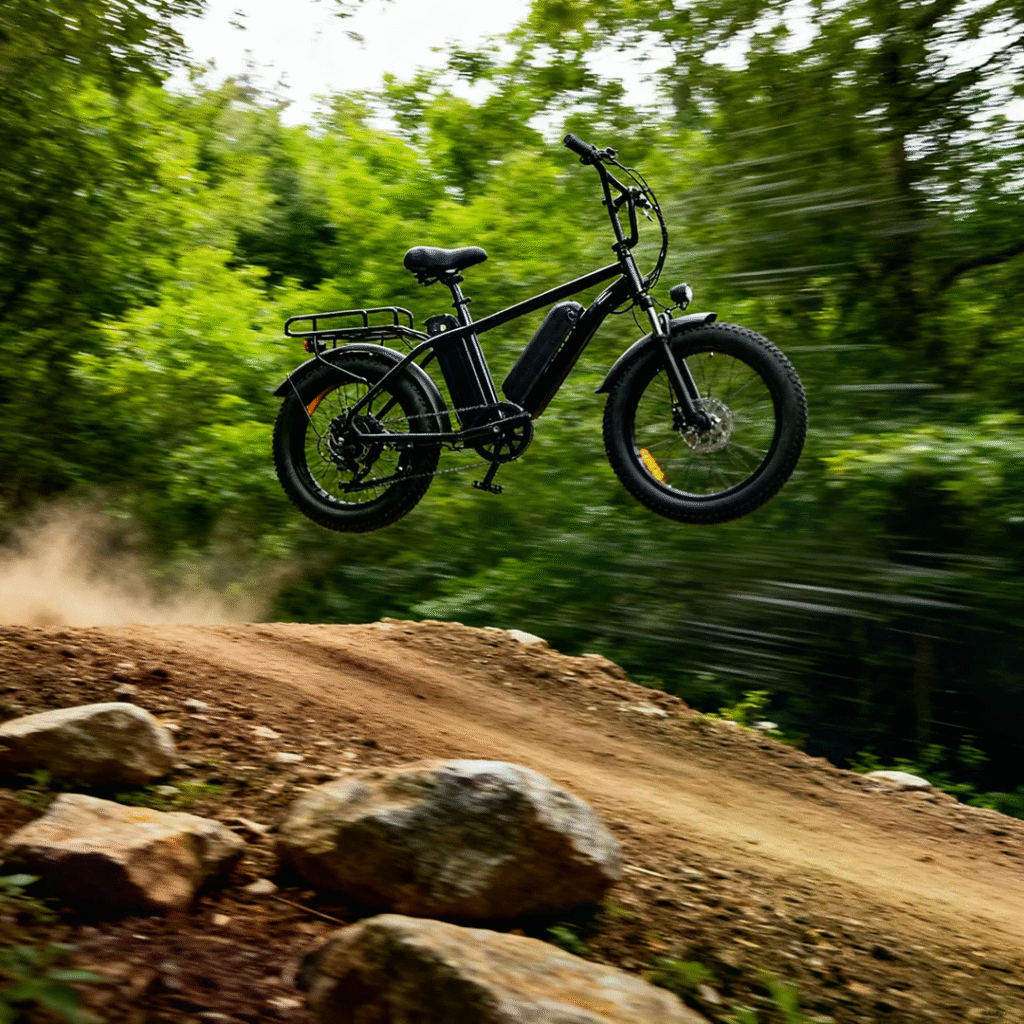
What is a Touring Ebike?
Definition and Core Attributes
A touring ebike is an electric-assist bicycle meticulously designed for extended, multi-day, or multi-week journeys. They are distinct from standard commuter ebikes.
The key features that set a touring ebike apart include:
- Extended Range: Equipped with large-capacity batteries to conquer long daily mileage and minimize “range anxiety.”
- Superior Comfort: Frame geometry and components prioritize rider comfort over many hours in the saddle, often featuring advanced suspension.
- High Load Capacity: Built with robust frames and integrated racks capable of securely carrying substantial luggage and gear.
Ideal Scenarios
The versatility of this category makes it suitable for diverse applications:
- Long-Haul Expeditions: Multi-country or cross-continental tours where carrying gear and tackling varied terrain is necessary.
- Multi-Day Weekend Cycling: Effortlessly covering greater distances in a weekend, often with camping or self-supported gear.
- Commuting with Light Travel: Serving as a durable, load-bearing commuter that is instantly ready for a spontaneous weekend trip.
Market Trends
The market for touring ebikes is experiencing rapid growth. This surge is fueled by continuous technological advancements: batteries are becoming lighter and more energy-dense; motors offer smoother, more powerful torque; furthermore, integrated smart features like GPS and robust anti-theft systems are becoming standard.
Key Features of Touring Ebikes
Selecting the right model hinges on understanding these critical components.
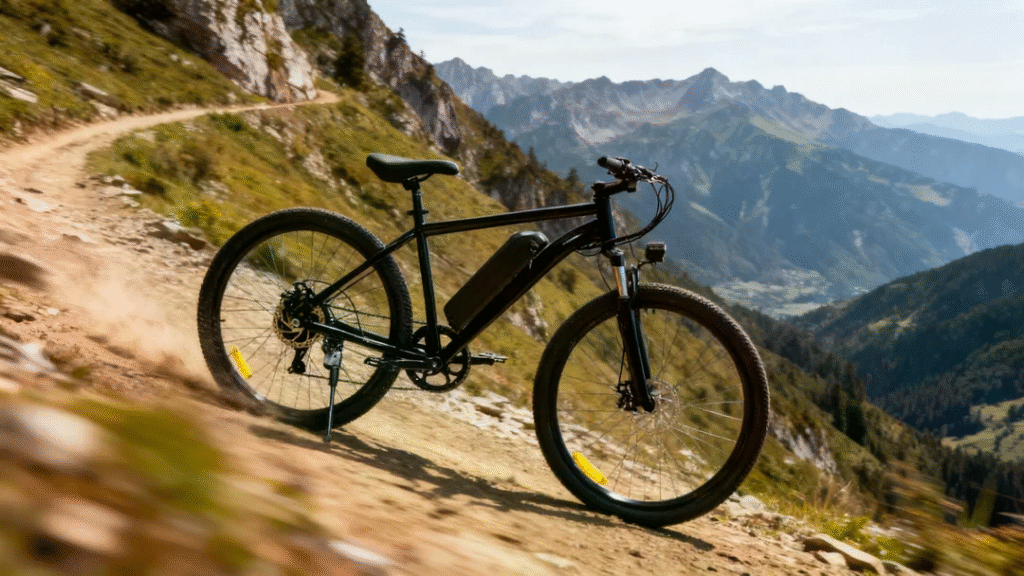
Battery and Range
The battery determines the scope of your travel.
- Capacity (Wh): A crucial metric. Touring models typically require 500Wh as a minimum, with $625Wh$ to $750Wh$ being common. Premium bikes may offer dual-battery configurations, reaching capacities over $1000Wh$.
- Removable vs. Integrated: Most touring batteries are removable for convenient indoor charging. Furthermore, look for fast-charging capabilities to minimize downtime on your journey.
Motor Type and Performance
The motor choice dictates the quality of the assist.
- Mid-Drive Motor: The preferred standard for touring (e.g., Bosch, Shimano, Brose). This motor is positioned at the crank, efficiently utilizing the bike’s gearing. Therefore, it provides high torque and a natural pedaling feel, which is essential for climbing steep hills or riding under heavy load.
- Hub Motor: Generally lower-cost and simpler. However, its weight distribution is less ideal for heavy touring compared to a mid-drive.
Frame and Comfort
Frame design is paramount for long-distance comfort.
- Frame Material: Aluminum alloy is the most common due to its durability and favorable strength-to-weight ratio. Sometimes, high-end models utilize carbon fiber to shave off weight.
- Suspension: High-quality front suspension forks are essential for absorbing road shocks. In addition, some premium models feature full suspension or suspension seatposts to enhance comfort on rougher surfaces.
Tires and Braking
Safety and adaptability are crucial for varied terrain.
- Tires: Touring ebikes favor moderately wide tires (e.g., $1.75″$ to $2.4″$), balancing rolling efficiency, grip, and comfort. Furthermore, investing in puncture-resistant tires is non-negotiable for long tours.
- Brakes: Hydraulic disc brakes are the industry standard. They offer superior stopping power, consistency, and reliability, especially when the bike is heavily loaded or riding in wet conditions.
Cargo Capacity
The ability to carry gear safely defines a true touring bike.
- Integrated Racks: Must be robust, often frame-mounted, with a high load rating (e.g., $25 \text{ kg}$ or more).
- Mounting Points: Look for ample braze-ons (screwholes) on the frame and forks for attaching water bottles, lowrider front racks, and gear cages. Strategic loading ensures stability.
Smart Features
Modern ebikes integrate technology for safety and convenience.
- Display and Navigation: Clear, easy-to-read displays are important. Many offer integrated GPS navigation and ride metrics.
- Connectivity: App integration allows for route planning, motor tuning, and essential anti-theft tracking capabilities. Additionally, integrated lighting and USB charging ports are valuable for on-the-go power.
How to Choose the Right Touring Ebike
Making the correct choice requires aligning the bike’s capabilities with your touring goals.
Evaluate Riding Distance
Your typical journey length should dictate battery needs.
- Daily Commuting vs. Multi-Day Touring: If you plan on epic, unsupported journeys, prioritize the highest possible Watt-hour (Wh) capacity or a dependable dual-battery system.
- Range Matching: Always check the estimated range under realistic conditions (hills, load, headwind) and match it to your longest planned day of riding.
Consider Terrain
The environment determines component toughness.
- Paved Roads vs. Gravel/Mountain: For mostly paved tours, focus on a lighter frame and quicker tires. However, for mixed or rougher terrain, you will need a more aggressive tire tread, stronger suspension, and a robust frame geometry.
Set Your Budget
Ebikes are a significant investment, but performance scales with price.
- Entry-Level ($1,500 – $3,000): Provides basic, reliable assistance, often with hub motors or lower-spec mid-drives.
- Mid-Range ($3,000 – $5,500): The sweet spot. Offers top-tier mid-drive systems (like the Bosch Performance Line), large batteries, and premium components (e.g., air suspension, hydraulic brakes).
- High-End ($5,500+): Features cutting-edge technology, full suspension, carbon frames, and high degrees of integration and customization.
Brand Reliability and After-Sales Support
A recognized brand ensures reliability far from home.
- Ecosystem: Stick to brands using widely supported motor systems (Bosch, Shimano). Therefore, if a component fails in a remote location, replacement parts or professional servicing are much easier to find globally.
- Warranty: Review the warranty details, especially for the battery and motor, as these are the most expensive components to replace.
Accessories and Customization
Ensure the bike is easily adaptable to your gear. Look for factory-equipped features like integrated fenders, lights, and robust luggage carriers. Furthermore, check the number of mounting points available for extra water and tools.
Top Touring Ebike Brand Recommendations
Here are some top contenders across different price points, recognized for quality and touring capability.
Premium Brands
These brands represent the pinnacle of ebike engineering and integration.
| Brand | Key Features | Ideal Rider |
| Riese & Müller | German-engineered, often features full suspension (Control Technology), dual-battery options, and high customization. | The demanding traveler seeking ultimate comfort, security, and the longest possible range. |
| Trek (Allant+ Series) | Global reach, excellent build quality, and strong retailer support. Highly integrated Bosch systems. | Riders who prioritize brand security, widespread service networks, and high-performance design. |
| Specialized (Vado/Como) | Custom-tuned motors, smooth, natural assistance feel, and sophisticated Mission Control app integration. | Those who value a natural riding experience and advanced smart features like GPS tracking. |
Mid-Range and Value Brands
Offering an excellent balance of quality components and accessible pricing.
| Brand | Key Features | Value Proposition |
| Giant | High vertical integration, using powerful Yamaha-based SyncDrive motors. Provides excellent specs for the price. | The practical rider seeking high performance and reliability without the premium price tag. |
| Cube | European design, vast model selection, reliable integration of Bosch and Shimano systems. | Budget-conscious buyers who want a quality, mainstream motor system and a sporty aesthetic. |
| Haibike | Pioneers in e-MTB, offering robust, rugged touring models capable of tackling serious off-road terrain. | Adventurers whose tours involve significant off-piste and demanding mixed surfaces. |
Touring Ebike Riding Practical Guide
Proper preparation and technique are vital for a successful tour.
Pre-Ride Checklist
A quick check prevents delays on the road.
- Power System: Verify the battery is $100\%$ charged and securely locked into place. Check that the display and lights are operational.
- Brakes and Tires: Test the responsiveness of the hydraulic brakes. Adjust tire pressure according to your load and the upcoming terrain.
- Essential Gear: Always carry a helmet, navigation tools (phone mount/GPS), water, and a basic puncture repair kit.
Long-Distance Riding Techniques
Ride smarter to conserve battery life.
- Assist Strategy: Use the lowest effective assist mode (Eco or Tour) most of the time. Reserve Turbo mode for steep ascents or heavy headwind. Conserving power dramatically extends your range.
- Cadence and Gear: Maintain a smooth, relatively high pedaling cadence ($70-80$ RPM) and shift gears frequently. The motor is most efficient when you are pedaling smoothly.
- Charging Stops: Plan mid-day breaks near cafes or outlets to top up the battery, even if only for an hour.
Luggage and Load Management
How you pack affects the bike’s handling and safety.
- Low Center of Gravity: Place the heaviest items (tools, spare battery, dense food) as low as possible in your panniers. A low center of gravity improves stability, especially at speed.
- Balance: Distribute weight evenly between the left and right sides, and between the front and rear racks. Imbalanced loading compromises handling and safety.
- Security: Use sturdy straps to ensure all bags are secured and cannot shift during riding, preventing them from interfering with the wheels.
Maintenance and Longevity
Regular care protects your investment.
- Battery Care: Store the battery between $30\%$ and $60\%$ charge when not in use for extended periods. Avoid extreme heat or cold storage.
- Drivetrain: Due to the high torque of the motor, the chain and gears wear out faster. Therefore, clean and lubricate the chain regularly, and inspect brake pads often.
- Professional Service: Have your bike inspected annually by an authorized dealer for diagnostics and firmware updates of the motor system.
Pros and Cons of Touring Ebikes
Advantages
- Effortless Distance: Eases the difficulty of climbing and headwinds, allowing riders to cover $100 \text{ km}$ or more daily with less fatigue.
- Increased Capability: Allows the bike to carry a significant amount of cargo without becoming overly sluggish.
- Inclusion: Enables groups or couples with different fitness levels to ride together seamlessly.
- Environmentally Friendly: A sustainable and low-impact alternative to car travel for exploration.
Disadvantages
- Heavier Weight: The battery, motor, and robust frame make them significantly heavier than traditional bikes, making lifting or transporting difficult.
- Higher Cost: Quality touring ebikes require a substantial initial investment.
- Range Dependency: Requires careful planning for charging points, especially in remote areas where outlets may be scarce.
Future Trends and Evolution
The technology is rapidly advancing, promising even better touring experiences.
- Battery Density: Expect continuous improvements in solid-state battery technology, leading to lighter batteries with even longer range.
- Advanced Smart Integration: More models will feature sophisticated automatic assist regulation that adapts motor output based on terrain, speed, and rider biometrics (e.g., heart rate).
- Modular Design: Increasing focus on multi-functionality, with easy detachment of batteries and smart systems to transition from touring beast to urban commuter.
Conclusion
The touring ebike represents the pinnacle of travel freedom and capability in the cycling world. It removes physical barriers, allowing anyone to embark on grand cycling adventures.
When making your choice, prioritize the battery capacity for your planned distance, the motor quality for smooth assistance, and the overall comfort for long days in the saddle. By choosing the right model and following proper riding techniques, you are ready to explore the world on two powered wheels.