
Electric bicycles are revolutionizing urban transit and outdoor adventure, providing an efficient and enjoyable way to travel. For many riders, however, the thrill of speed soon leads to the question: How to upgrade any ebike to go super fast? Maximizing an ebike’s velocity involves a comprehensive approach that targets the core components of the electric powertrain, namely the motor, battery, and controller, alongside critical considerations for safety and legality. Significant performance gains are possible, though a deep understanding of electrical systems and mechanical integrity is absolutely essential before proceeding.
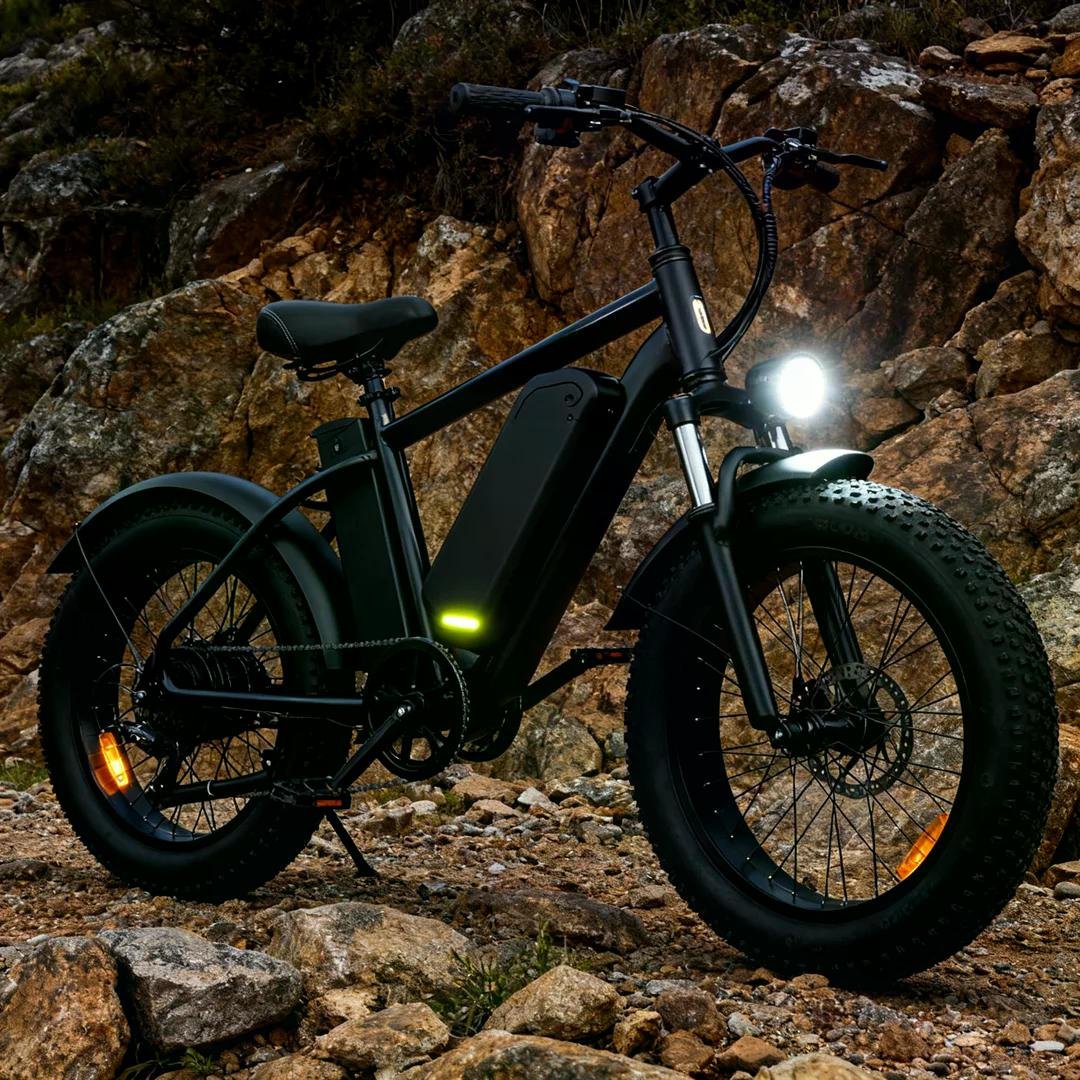
Powering Up: Motor and Controller Optimization
The true heart of an ebike’s performance lies in its motor and the controller that manages its power delivery. These two components must work in perfect harmony to achieve maximum speed and torque. Consequently, any serious speed upgrade must begin here.
The Motor Upgrade: More Watts Equal More Velocity
Most factory-standard ebikes are equipped with motors ranging from 250W to 750W, designed to comply with local regulations. To unlock “super fast” speeds, the logical first step involves upgrading to a motor with a substantially higher wattage rating. Motors in the 1000W to 5000W range are commonly used by enthusiasts on private property for high-speed builds.
A higher-wattage motor inherently possesses the physical capacity for greater power input and, thus, higher speeds. When selecting a replacement, riders must carefully consider the motor type:
- Hub Motors (rear or front) are simpler to install but may put more strain on the wheel structure.
- Mid-Drive Motors generally offer better efficiency, leverage the bike’s gears for increased torque, and are often preferred for very high-performance applications.
Ultimately, the choice of a new motor is contingent upon the mechanical limits of the bike’s frame and dropouts, as an excessively powerful motor can literally tear itself out of a weak frame.
Controller Tuning: The Electronic Brain
The motor controller acts as the electronic brain, regulating the flow of power from the battery to the motor. In many stock ebikes, the controller is deliberately limited, or “governed,” to restrict the maximum speed and power output, ensuring compliance with legal speed limits (typically 20 mph or 28 mph, depending on the ebike class and region).
Advanced speed enhancement involves programming or replacing the stock controller with a high-amperage, high-voltage aftermarket unit. By increasing the maximum current output (measured in Amps) and ensuring the controller can handle higher voltage from the battery, significantly more power can be fed to the motor. Customization of the controller’s firmware or display settings, where available, can also raise or completely remove the factory-set speed limit. This manipulation effectively “deceives” the system into providing motor assistance well past the regulated threshold. Such sophisticated tuning requires a technical background and a methodical approach to avoid damaging the components.
Elevating the Electrical System: Battery Voltage is Key
The entire electrical system must be upgraded to support a super fast ebike. Speed, in the electrical world, is directly related to voltage. Therefore, increasing the battery’s voltage is arguably the most direct way to increase the motor’s maximum rotational speed.
Voltage and Speed
A standard ebike typically operates on a 48V system. Upgrading to a 52V, 72V, or even higher-voltage battery system will instantaneously increase the potential top speed of the motor, provided the controller and motor are rated to handle the higher voltage. For example, moving from 48V to 72V represents a significant increase in electrical potential, which translates directly to greater speed.
High-Discharge Current Capacity
Beyond voltage, the battery must be capable of a high Continuous Discharge Current (measured in Amps). A high-performance motor operating under heavy load—like accelerating to super fast speeds—demands a massive and instantaneous power draw. If the battery cannot supply enough current, the motor’s performance will be choked, or the battery itself may be irreversibly damaged. High-quality lithium-ion cells with a high ‘C-rating’ are essential for these high-power applications, ensuring both longevity and performance delivery.
Mechanical Prerequisites and Aerodynamics
A super fast ebike is not merely an electronic marvel; it is also a mechanical system subjected to extreme stresses. Overlooking the physical modifications necessary to handle increased speed and power is a major safety oversight.
Safety First: Brakes and Frame Integrity
As velocity doubles, the kinetic energy that must be dissipated when stopping quadruples. Consequently, the brake system is paramount. Cheap mechanical disc brakes are simply inadequate. A truly fast ebike requires high-performance hydraulic disc brakes with larger rotors and, ideally, multi-piston calipers to ensure reliable and powerful stopping capability. Furthermore, the bike’s frame, fork, and wheel components must be meticulously inspected. High torque and speed place enormous stress on the dropouts and frame welds; a professional assessment of the frame’s load rating is strongly recommended.
Tires and Aerodynamics
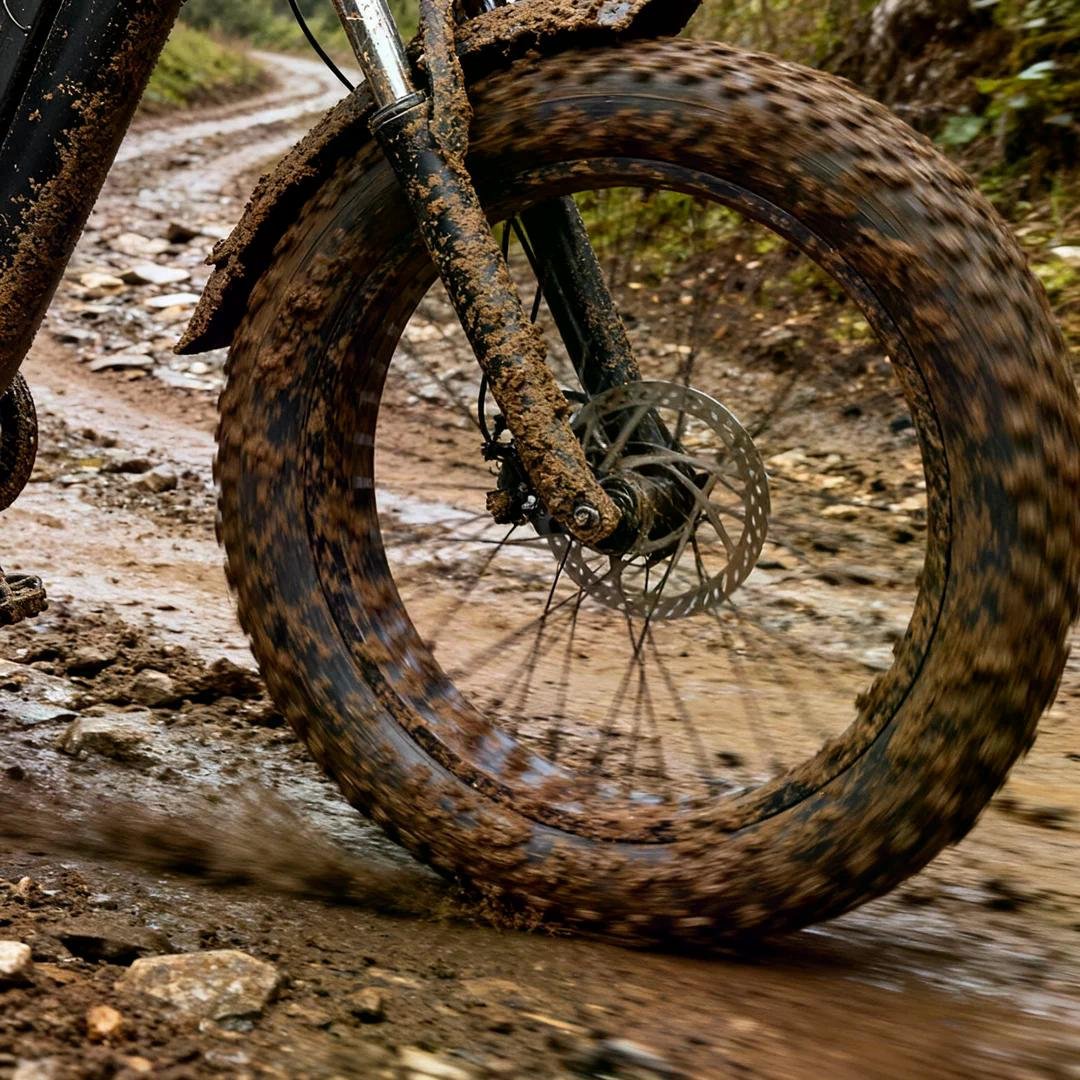
Reducing rolling resistance and wind drag are critical for maximizing speed with the available power. Riders should consider switching from wide, knobby, or fat tires to high-pressure, slicker road tires that minimize the contact patch and rolling friction. Maintaining optimal tire pressure—at the higher end of the recommended PSI—is a simple, free adjustment that yields noticeable speed gains.
Beyond the tires, wind resistance quickly becomes the biggest impediment to top speed, particularly above 20 mph. Adopting a more aerodynamic riding posture—lowering the body and tucking in the elbows—significantly reduces drag. For dedicated high-speed use, wearing tight-fitting clothing and even installing a small windscreen can further optimize the airflow around the rider.
A Final Word on Legality and Responsibility
It is crucial to emphasize that modifications increasing an ebike’s speed beyond the limits set by local and national laws will reclassify the vehicle. In many regions, this reclassification means the modified bike is no longer an ebike, but rather a moped, motorcycle, or other motorized vehicle. This change can void warranties, lead to fines, require registration, licensing, and insurance, and fundamentally alter where the vehicle can be legally operated.
The pursuit of super fast speeds must be balanced with a commitment to safety and responsible riding. High-speed electric vehicles demand exceptional rider skill and an unwavering respect for traffic laws and the safety of others. While the technical process of upgrading is rewarding, the ethical and legal implications of operating a modified, high-power ebike must be fully understood before any wrench is turned or wire is connected. Achieving high velocity is an application of engineering, but responsibility is always the ultimate controller.