
The world of electric bicycles, or e-bikes, is rapidly expanding, offering a fantastic blend of traditional cycling with modern technological assistance. However, for riders who carry more weight, a common and crucial question often arises: Are e-bikes safe and capable for heavy riders? The short answer is a resounding yes, but finding the perfect fit requires a deeper understanding of specific features and engineering capabilities. This comprehensive guide is designed to empower you with the knowledge needed to confidently select an e-bike that is not just functional but also durable, comfortable, and provides a truly enjoyable riding experience. The right e-bike can be a game-changer, breaking down barriers to fitness, commuting, and recreational riding.
Deciphering Weight Capacity and Structural Integrity
The most critical factor for a heavier rider is the e-bike’s maximum weight capacity, often referred to as the Maximum Payload Capacity. This is the total weight the bike is engineered to safely handle, including the rider, luggage, and any accessories.
Frame Material and Design: The Backbone of Strength
A bike’s capability is intrinsically linked to its construction. E-bikes designed for higher capacities typically feature frames made from robust materials, with Chromoly Steel and Aviation-Grade Aluminum being the most prevalent.
- Aluminum Alloys: These offer a balance of light weight and high strength. Manufacturers often use thicker tubing or reinforcing gussets, especially near stress points like the head tube and bottom bracket, to enhance structural rigidity.
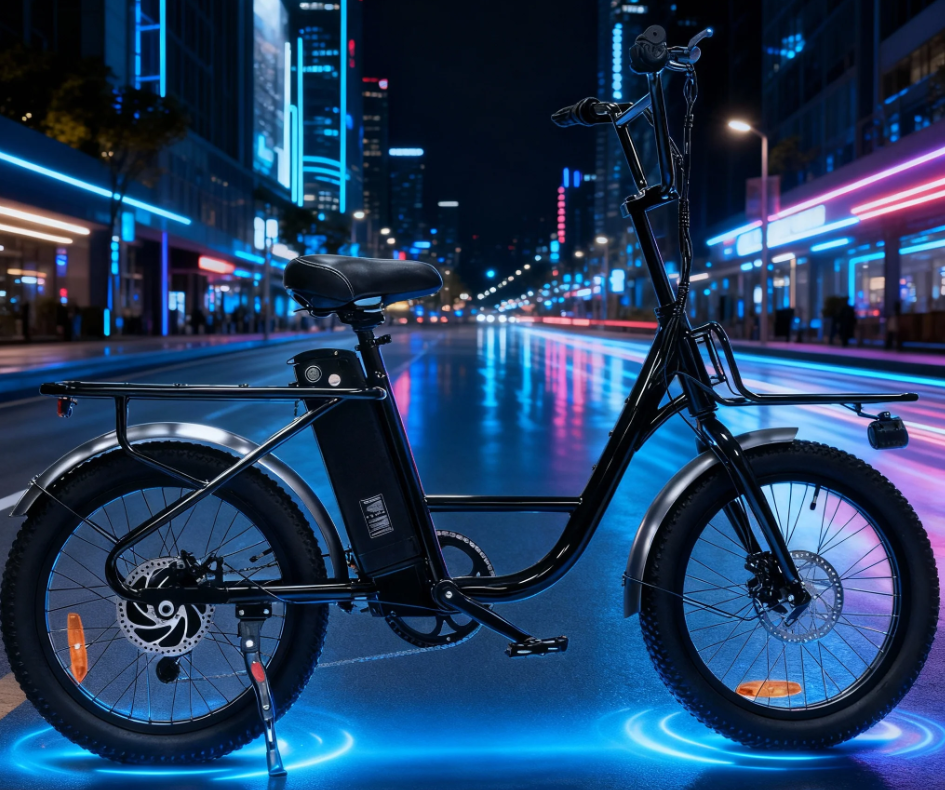
- Frame Geometry: Look for step-through or cruiser-style frames that have a more relaxed and robust design. The overall stability is improved by a lower center of gravity and a sturdy, integrated battery placement.
Beyond the Frame: Wheels and Tires
A bike is only as strong as its weakest component, and for heavy-duty applications, the wheels and tires bear a significant portion of the load.
- Rims and Spokes: Wheels are generally built with double-walled rims for increased strength and a higher spoke count (36-spoke configurations are common). Thicker, quality spokes resist bending and breaking under strain.
- Tires: Wider tires, often in the 3-inch to 4-inch “fat tire” category, are frequently recommended. They provide a larger contact patch with the ground, which significantly improves stability, traction, and the ability to absorb shocks, distributing the load more effectively. It is essential to maintain the correct tire pressure as indicated by the manufacturer to prevent pinch flats and ensure optimal performance.

Power and Performance: Motor and Battery Considerations
For a heavier rider, the motor and battery system needs to deliver ample power to make hills manageable and acceleration responsive. Choosing the right drive system is key to ensuring a comfortable and effortless ride.
Understanding Motor Torque and Wattage
The power of an e-bike motor is typically measured in watts (W) for continuous output and torque in Newton-meters (Nm).
- Higher Torque is Vital: Torque, the rotational force, determines the bike’s ability to climb hills and accelerate from a standstill, especially under a heavier load. A motor with 80 Nm of torque or higher is often a great starting point for robust performance.
- Motor Placement: Both Hub-Drive and Mid-Drive motors have their merits. Mid-drive motors are generally more efficient at using the bike’s gears to optimize climbing, while powerful hub-drive motors offer simpler maintenance and direct power to the wheel. For heavy-duty use, an integrated and powerful system is paramount.
Battery Capacity and Range
A larger rider requires more energy from the motor to maintain speed, which in turn draws more heavily on the battery.
- Ample Watt-Hours (Wh): To achieve a satisfactory range, look for batteries with a larger capacity, often starting at 500 Wh or more. While factors like terrain and assist level greatly influence range, a higher capacity provides a better safety buffer for longer rides.
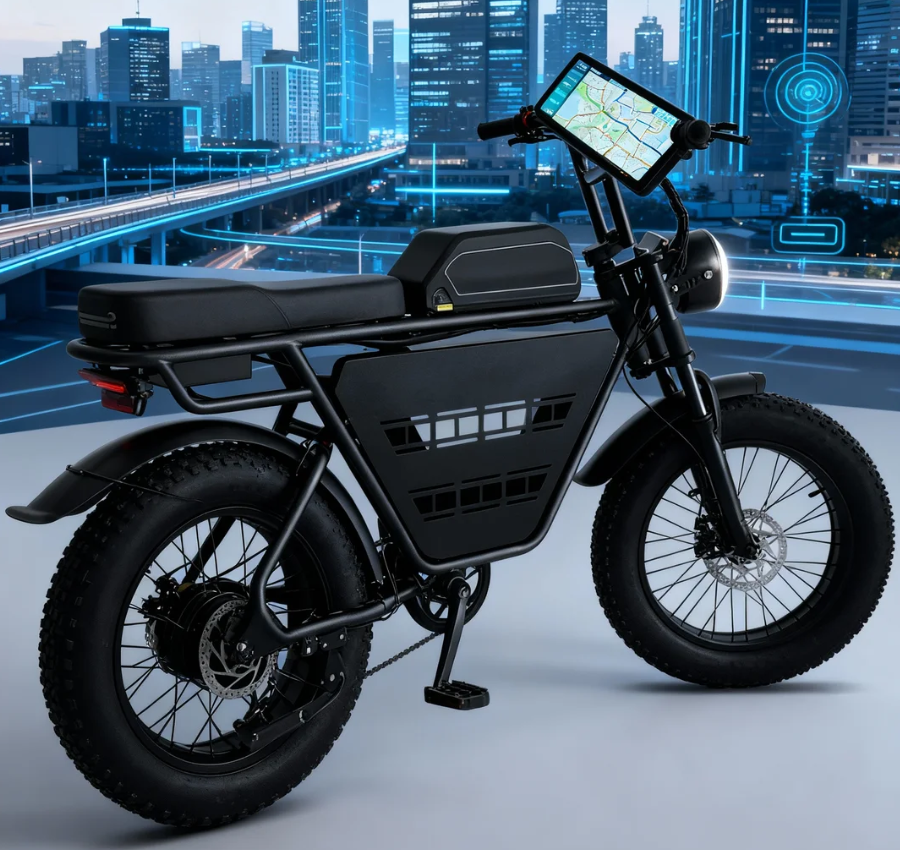
- Integration and Safety: Batteries should be securely mounted, preferably integrated into the frame, to enhance structural balance and protect against impacts.
Braking and Handling: Ensuring Safety and Control
Safety is non-negotiable, and for e-bikes carrying greater loads and achieving higher speeds, the braking system must be exceptionally reliable.
- Hydraulic Disc Brakes are Essential: Hydraulic disc brakes offer superior stopping power and modulation compared to mechanical disc brakes or traditional rim brakes. They require less hand force to operate, which is a significant comfort and safety feature.
- Rotor Size Matters: Larger brake rotors (180mm or 203mm) dissipate heat more effectively and provide increased leverage, crucial for bringing a heavier e-bike and rider combination to a quick, controlled stop.
- Suspension and Comfort: While full suspension is excellent, robust front suspension is often sufficient. Look for suspension forks with lockout capability and high-quality construction that can handle the increased load without bottoming out. Comfort is also significantly enhanced by ergonomic contact points, such as wide, supportive saddles and comfort-grip handlebars.
Electric bikes offer unmatched utility for riders of all sizes, transforming daily tasks and leisure time. For a heavier user, the benefits are even more pronounced.
- Commuting: An e-bike can turn a strenuous, sweaty commute into an enjoyable, manageable ride, bypassing traffic and reducing the physical strain often associated with traditional cycling.
- Fitness and Health: E-bikes provide a low-impact exercise option. The adjustable assistance level means the rider can always control the workout intensity, making fitness goals achievable without causing joint stress. This progressive approach fosters consistency and a positive relationship with exercise.
- Recreational Riding: From light trail riding to cruising the neighborhood, the pedal assistance opens up new landscapes, allowing the rider to keep up with friends or family and explore terrains that might otherwise be intimidating.
The integration of technology, like built-in lights, reliable gear systems (such as Shimano or SRAM), and sturdy racks for cargo, further enhances the overall value and applicability of these purpose-built e-bikes.
Conclusion: Confidence and Capability on Two Wheels
Choosing the right e-bike as a heavy rider involves prioritizing robust engineering over basic specifications. By focusing on high weight capacities, powerful motors (high torque), oversized braking systems, and durable components, you can ensure a safe, reliable, and deeply satisfying riding experience. The advancements in e-bike technology have truly made cycling accessible to everyone, affirming that with the correct machine, the road ahead is wide open.