
The landscape of urban transportation is undergoing a profound transformation, and at the heart of this shift lies the electric bicycle. For millions, the daily commute—often characterized by frustrating traffic jams and costly fuel consumption—is being redefined by two powered wheels. However, navigating the myriad of options to find the definitive best commuter ebike can feel overwhelming. This is more than just a purchase; it’s an investment in your time, health, and environmental footprint. This in-depth guide is specifically engineered to empower potential ebike users, providing actionable insights into what truly makes a commuter ebike exceptional and how it integrates seamlessly into the demands of modern urban life.

Understanding the Ebike Commuter Revolution
The surge in electric bicycle adoption is not a fleeting trend but a fundamental response to increasing urbanization and the push for sustainable mobility. An electric bike is fundamentally a traditional bicycle with an integrated electric motor, typically used for assisted propulsion. For the commuter, this electric assistance translates directly into saved energy, reduced sweat, and significantly faster travel times compared to conventional cycling. It flattens hills and shrinks distances, making a 10-mile commute feel as effortless as a quick ride around the block. The application of these bikes is purely practical: to replace car journeys, public transport legs, or traditional cycling for daily, necessary travel.
Why the Focus on the Best Commuter Ebike?
When we talk about the best commuter ebike, we are isolating a specific breed of electric bicycle designed for reliability, practicality, and enduring performance day in and day out. It must be more than just powerful; it must be dependable, safe, and equipped to handle all the variables of city commuting—from sudden downpours to securing the bike in public spaces. Therefore, the selection process must be rigorous, focusing on features that matter most to the daily user.
The Essential Criteria for a Top-Tier Commuter Ebike
Identifying the best commuter ebike hinges on a careful analysis of several critical components. These bikes are workhorses, not just weekend toys, and their design and engineering must reflect this utilitarian purpose.
Power and Motor Placement: Mid-Drive vs. Hub-Drive
The motor is the heart of the ebike. Commuter bikes typically feature one of two motor types:
- Hub Motors: These are mounted in the center of the front or rear wheel. They are generally more affordable and simpler to maintain. They offer a straightforward “push” that is excellent for flat terrains and casual riding. For most commuters on moderate terrain, a reliable rear hub motor provides ample assistance.
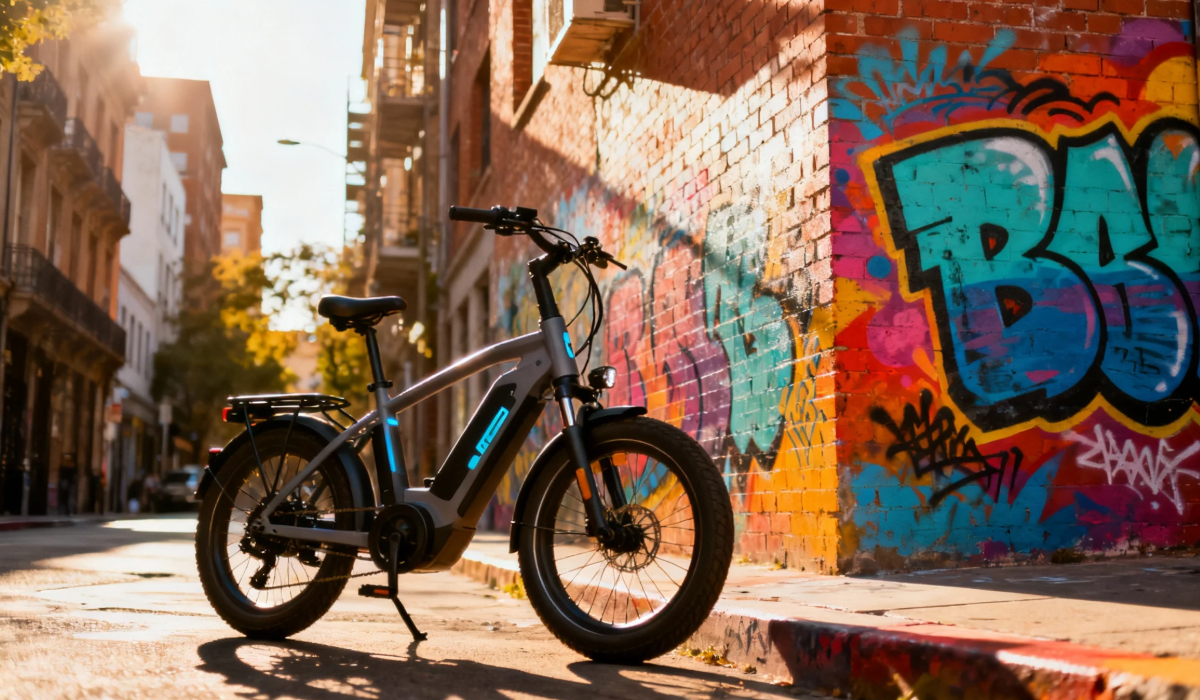
- Mid-Drive Motors: Located between the pedals (crankset), these motors are considered superior for serious commuting, especially with varied topography. Since they drive the bike’s chain, they can leverage the bicycle’s gearing, making hill climbing significantly more efficient and easier on the motor and battery. While often higher in cost, they deliver a more natural, balanced ride feel and better range utilization. For a truly professional-grade commute, a mid-drive motor is often a strong indicator of the best commuter ebike choice.
Battery Capacity and Range: The Real-World Commute
The battery is arguably the most crucial component. Commuters need a battery with sufficient capacity, measured in Watt-hours (Wh), to cover their round trip plus a substantial buffer for headwinds, unforeseen detours, or simply forgetting to charge one night.
A high-quality commuter ebike should offer a realistic range of at least 30 to 50 miles per charge under typical conditions (moderate pedal assist, average terrain, and load). For example, a 500 Wh or 600 Wh battery is often the sweet spot, providing the power needed without adding excessive weight. Users should prioritize batteries from reputable brands known for their longevity and safety, as this is where cost savings can lead to future reliability issues. Furthermore, an easily removable battery is a massive convenience for apartment dwellers or those who need to charge inside an office building.
Braking Systems: Non-Negotiable Safety
In city traffic, stopping power is paramount. The best commuter ebike will almost always be equipped with hydraulic disc brakes. Unlike mechanical disc brakes or traditional rim brakes, hydraulic systems offer superior modulation (control over the amount of braking force) and reliable stopping power in all weather conditions, especially in the wet. This reliability is not merely a feature; it is a critical safety requirement for a vehicle that can travel at speeds up to 28 mph (45 km/h) depending on its class.
Choosing Your Commuter Style: Analyzing Ebike Categories
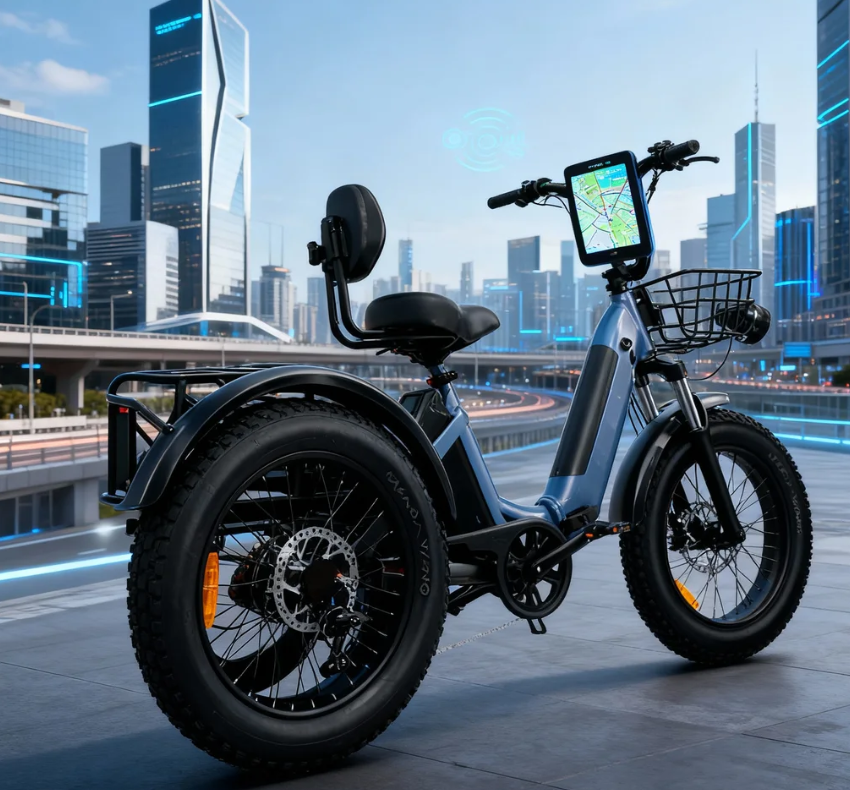
The term “commuter ebike” is broad, encompassing several specialized formats. Your individual commute—distance, need for storage, or reliance on public transit—dictates which style of ebike offers the best functional value.
1. City Bikes (The Standard Commuter)
The City Bike is the default template for the best commuter ebike. It features an upright, comfortable geometry, often a step-through frame for easy mounting, and comes standard with the essentials: fenders, a rear rack, and integrated lighting. These bikes are engineered for asphalt and paved paths, emphasizing comfort and low maintenance.
2. Folding Bikes (The Multi-Modal Solution)
Folding ebikes prioritize portability. They utilize smaller wheels and a hinge mechanism in the frame, allowing them to be collapsed into a compact form. This is crucial for riders who combine cycling with public transport—for example, riding to the train station, folding the bike for the rail journey, and unfolding it for the “last mile” to the office.
3. Cargo Bikes (The Car Replacement)
Cargo ebikes feature an extended wheelbase (long-tail) or a front cargo box (front-loader). They are equipped with robust frames and powerful motors (often mid-drive) to haul significant weight—from children and pets to multiple bags of groceries or delivery payloads.
Ideal for: Families running errands, daily school drop-offs, or users actively replacing their second car. While large and heavy, their stability when fully loaded is unmatched, making them an excellent choice for utility-focused commuting.
4. Mountain and Scooter Bikes (Niche Applications)
- Electric Mountain Bikes are over-engineered for the typical commute. Their heavy suspension and aggressive tires reduce efficiency on smooth roads. They are only relevant if your commute involves substantial off-road trails.
- Скутеры Велосипеды/Moped-Style offer a fun, comfortable, and often throttle-dominant riding experience. While convenient, their design sometimes sacrifices traditional bicycle utility (like the ability to attach standard panniers) and they may face stricter regulations due to their often higher power and speed limits. Users must ensure these models are legally permitted on local bike paths.
Practicality and Features for the Daily Grind
Beyond the core mechanical and electrical components, the truly great commuter ebike is defined by its integrated features designed for a user-focused experience.
Integrated Accessories and Utility
A bike is not commuter-ready without essential features. These are non-negotiable for an all-weather, all-purpose daily machine:
- Fenders (Mudguards): Full-coverage fenders are essential for keeping water and road grime off the rider, the drivetrain, and the battery in inclement weather.
- Integrated Lighting: High-quality, permanently wired front and rear lights, often running off the main battery, are a must for visibility and safety. They simplify the user experience by eliminating the need to constantly charge and attach external lights.
- Rear Rack: A sturdy rear rack is necessary for carrying panniers, a backpack, or even attaching a child seat. For commuters, the ability to carry gear without wearing it is key to comfort and arriving fresh. Look for a rack with a high weight capacity, typically 50 lbs or more.
- Kickstand: A sturdy, often adjustable, kickstand is a small but critical detail for parking the bike quickly and safely.
Frame Geometry and Rider Comfort
Commuting often involves long periods in the saddle. Consequently, the geometry of the best commuter ebike typically favors an upright, comfortable riding position. This reduces strain on the back and neck, offers better visibility in traffic, and makes frequent starting and stopping easier. Step-through frames, while sometimes seen as less “sporty,” are incredibly practical for commuters who may be wearing work clothes or need to dismount frequently. Frame material is also important, with high-quality aluminum alloys providing a great balance of strength and manageable weight.
Gearing and Drivetrain
Commuter ebikes often feature a wide-range cassette or, increasingly, internal gear hubs (IGH). An IGH offers a sealed, low-maintenance drivetrain that allows the rider to shift gears while stationary—a massive advantage at traffic lights. While a traditional derailleur system is more efficient, the reduced maintenance and reliability of an IGH make it highly attractive for the dedicated, daily commuter. Maintenance is a hidden cost and time sink, and minimizing it adds real value. Furthermore, some premium commuter models now feature belt drives instead of chains, offering a quieter, cleaner, and virtually maintenance-free solution.
The User Experience: Transforming the Commute
The true value of the best commuter ebike is realized in its impact on the user’s life. This is where the application of the technology truly shines, promoting a positive shift in daily routines and personal well-being.
Time Savings and Predictability: By navigating bike lanes and avoiding road congestion, an ebike commute becomes incredibly time-predictable. Unlike driving, where travel time can double due to unexpected traffic, the ebike maintains a reliable, steady pace. This predictability reduces stress and simplifies daily scheduling.
Cost Efficiency: While the upfront cost is higher than a standard bike, the long-term savings are significant. The operational cost of an ebike is negligible compared to gasoline, car maintenance, parking fees, and public transport passes. Over a year, the ebike frequently pays for itself, providing a remarkable return on investment.
Health and Wellness: Although the motor assists, the rider is still required to pedal. The level of assistance can be easily adjusted, meaning the user controls the level of physical exertion. This transforms the commute from a sedentary activity into a built-in, low-impact exercise opportunity—a powerful and sustainable way to integrate fitness into a busy schedule. This subtle but profound change in lifestyle is often cited by users as the most beneficial aspect of their investment.
Safety and Security Considerations
A valuable ebike is a target. Therefore, security measures are essential. Riders should invest in a high-quality lock (U-lock or heavy chain) and always secure the frame and wheel to an immovable object. Furthermore, many modern commuter ebikes include integrated security features, such as battery lock-downs or GPS tracking, which are worth the premium for peace of mind. Consistent maintenance of tires, brakes, and lighting is also key to ensuring maximum road safety.
Conclusion: Making the Final Decision
Choosing the best commuter ebike is about aligning the bike’s capabilities with your specific commuting needs. If your route is long and hilly, a mid-drive system with a large battery and hydraulic disc brakes is absolutely necessary. If your route is short, flat, and involves mixed-mode travel, a well-equipped folding bike might be the more effective and convenient choice. If you are hauling a substantial load daily, a dedicated cargo ebike is the superior tool.
Ultimately, the best choice is the one that is reliable enough to be ridden every day, rain or shine, and comfortable enough to make the journey enjoyable. The investment is justified not merely by the miles it covers, but by the tangible improvements it brings to daily routine: lower stress, predictable travel, improved fitness, and a substantial reduction in your personal carbon footprint. The electric revolution is here, and a properly selected commuter ebike is the definitive tool for navigating the modern urban world.