
The electric bicycle, or ebike, has transformed urban commuting and recreational riding, offering an efficient, eco-friendly, and enjoyable mode of transport. At the heart of every ebike is its power source—the battery. When considering an ebike, or looking to replace a component, a critical decision revolves around voltage, and the 36V ebike battery stands out as one of the most common and versatile options in the market. This article serves as a comprehensive guide for ebike users, exploring the technical capabilities, practical applications, and overall value proposition of the 36-volt system. We will delve into how this power choice impacts your riding experience, range, and the overall longevity of your electric bicycle. Understanding your battery is crucial because it directly dictates the performance you get on the road—from the initial torque you feel to the distance you can cover before needing a charge.
What Defines the 36V Ebike Battery System?
The voltage of an ebike battery, measured in volts (V), essentially represents the “pressure” or potential energy driving the electric current through the motor. A 36V system is widely considered the standard entry point and a reliable core for most general-purpose ebikes. It strikes an excellent balance between power output, weight, and cost.
The Technical Core and Its Components
A typical 36V battery pack is constructed using Lithium-ion cells (usually 18650 or 21700 size) configured in a specific series and parallel arrangement, most commonly a 10-series setup (10S), where each cell contributes a nominal voltage of 3.6V to 3.7V. This configuration ensures a reliable and consistent power flow to the motor controller.
Motor Compatibility: This voltage is perfectly suited for motors rated up to 500W or even 750W, which covers the vast majority of commuter, city, and light-duty mountain ebikes. The motor’s efficiency is directly related to the battery voltage; a well-matched 36V battery and motor pairing guarantees optimal performance without unnecessary heat generation or power loss.
Controller Function: The motor controller is meticulously tuned to accept this voltage, ensuring smooth power delivery and responsiveness. Using the correct voltage guarantees that the controller’s components operate within their safe parameters, maximizing their service life.
Balancing Power and Weight
A significant feature of the 36V system is its optimized energy density. Compared to higher-voltage options like 48V or 52V, the 36V pack is inherently lighter for the same Amp-hour (Ah) capacity. This reduction in mass is a notable advantage for riders who value a lighter, more nimble bicycle, making it easier to pedal without assistance, carry up stairs, or load onto a rack. This balance is key to its widespread adoption in everyday-use ebikes.
Practical Applications: Where a 36V System Shines
The widespread application of the 36V system is not accidental; it’s a result of its suitability for common cycling needs. For the average ebike user, this battery offers more than enough capability for daily activities.
The Commuter’s Choice
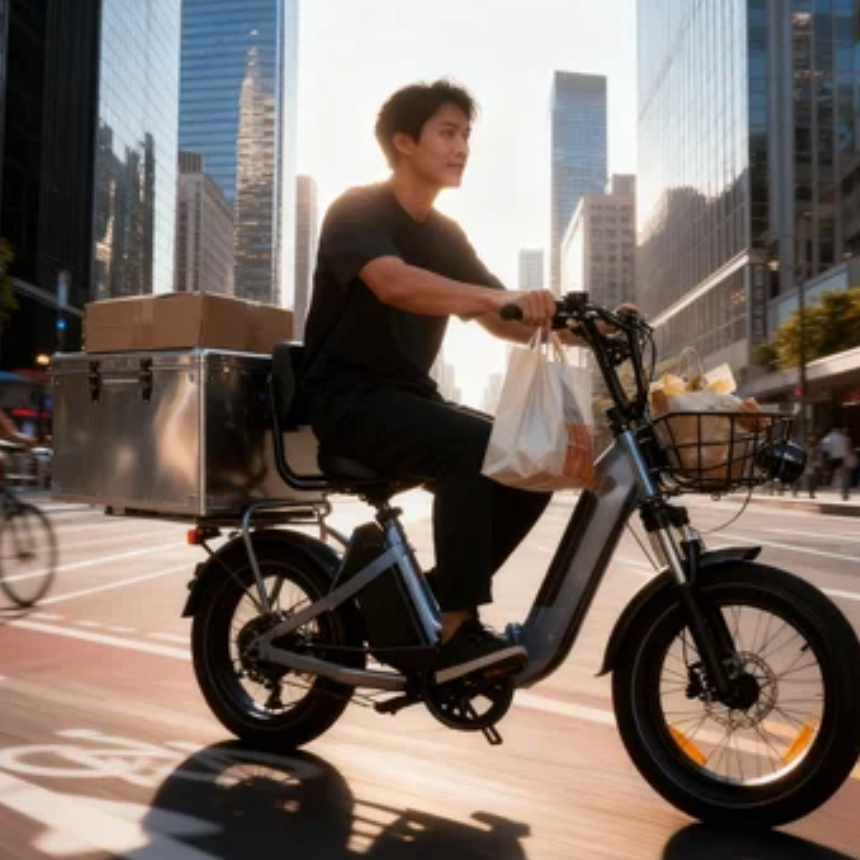
For urban and suburban commuters, the 36V ebike battery is an ideal partner. Daily commutes, which often involve distances of 10km to 30km round trip, are easily managed with a standard 36V battery between 10Ah and 15Ah.
- Reliable Range: On flat or mildly undulating terrain, this setup consistently provides a reliable range of 30km to 60km, depending on the rider’s weight and the level of pedal assistance (PAS) used.
- Sufficient Power: It delivers smooth and ample acceleration, making it easy to pull away from traffic lights and maintain a cruising speed of 25km/h (the common speed limit in many jurisdictions).
Leisure and Light Trail Riding
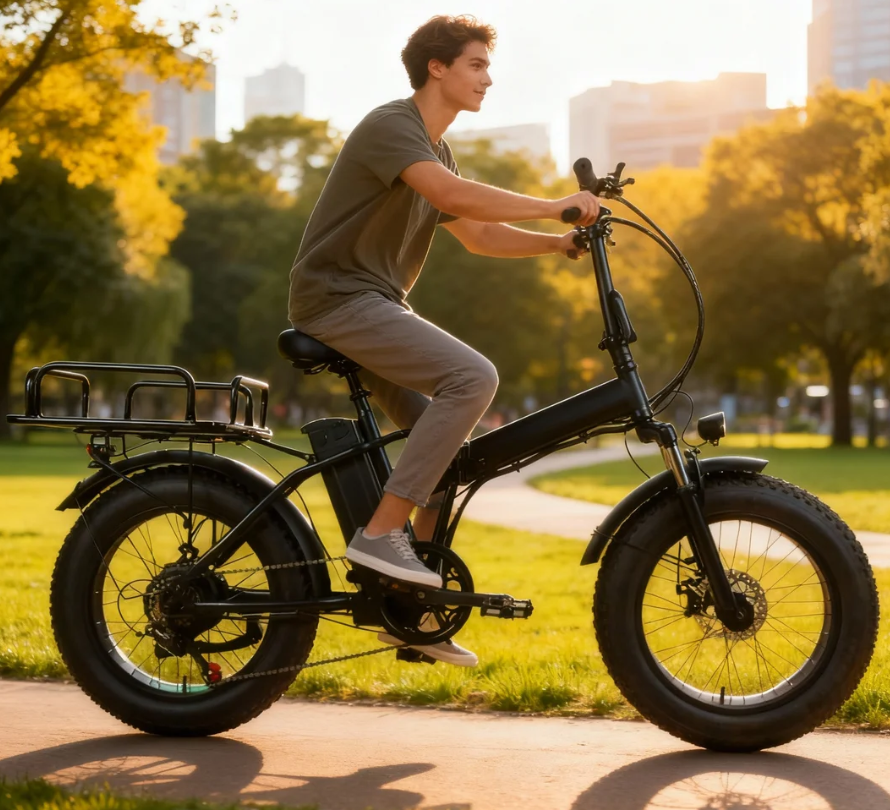
Beyond the commute, a 36V system excels in leisure applications. Riders exploring bike paths, parks, or light gravel trails will find the power to be perfectly adequate. The system provides a gentle, supportive boost, making long rides less taxing without compromising the genuine cycling experience. Crucially, the lighter weight aids in handling, especially when navigating tight turns or uneven surfaces at lower speeds. Furthermore, the system’s lower peak power delivery tends to be more gradual, offering a smoother, less jarring assist which many recreational riders prefer.
Performance Considerations: Range, Hill Climbing, and Longevity
While 36V is highly versatile, riders must understand how it performs under more strenuous conditions and what determines its lifespan.
Understanding Range and Capacity (Ah)
Voltage (36V) provides the ‘push,’ but Amp-hours (Ah) determine the total ‘fuel’ available. The capacity dictates the range. A common analogy is that voltage is like water pressure, and Ah is the size of the tank.
Total Energy (Watt-hours, Wh) = Voltage (V) \times Capacity (Ah)
For example, a 36V, 15Ah battery provides 540wh of energy. This total energy capacity, when combined with a rider’s efficiency and motor rating, dictates the actual distance achievable. Therefore, if longer range is a priority, a 36V battery with a higher Ah rating should be chosen over one with lower capacity.
Hill Climbing and Torque
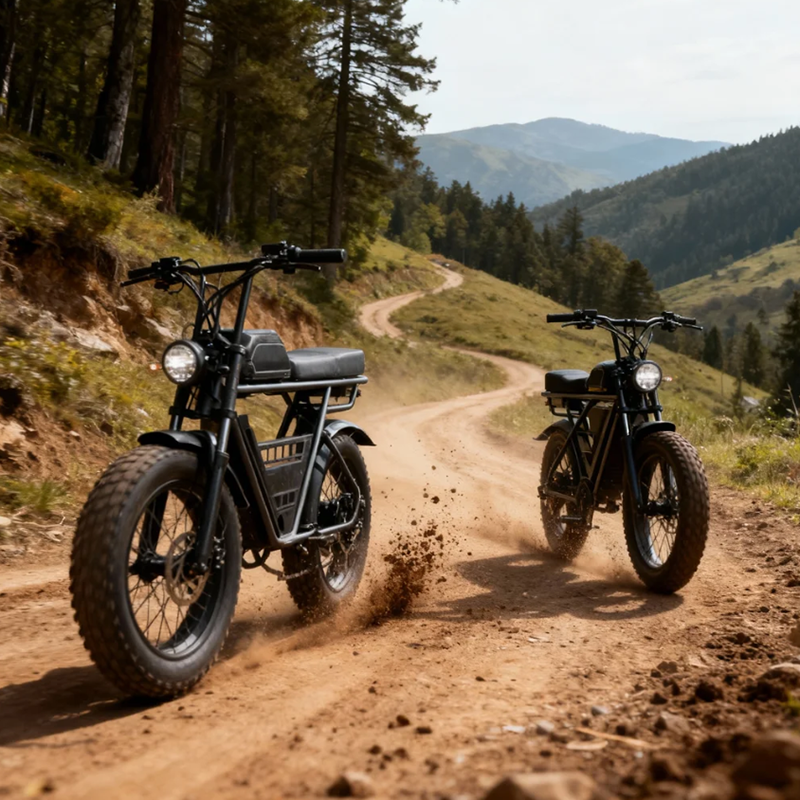
For steep hills or heavier loads, 48V or 52V systems often provide more instantaneous torque. However, a quality 36V ebike battery, when paired with an efficient gear-reduction hub motor or a modern mid-drive motor, is still capable of tackling moderate inclines. Instead of raw brute force, the 36V system relies on its motor controller to efficiently manage current draw, ensuring the rider is assisted without overloading the system. Proper gear selection by the rider remains key to maximizing its climbing ability.
Maximizing Battery Lifespan
A key advantage for the user is the inherent durability and longevity of well-maintained 36V packs. Lithium-ion batteries degrade over time, but their service life can be significantly extended through best practices:
- Charging Habits: Avoid deep discharges. It is generally better to charge the battery after every ride or whenever it drops below 20% capacity.
- Storage: Store the battery at 50% to 70% charge level when not in use for extended periods, and keep it in a cool, dry place.
- Temperature Control: Extreme temperatures, both hot and cold, are detrimental. Charging should be done at room temperature whenever possible.
By adhering to these principles, a 36V Lithium-ion battery can reliably deliver 500 to 1000 charge cycles, typically translating to several years of consistent use for the average user.
The Bigger Picture: Sustainability and Value
Choosing a 36V system aligns with a balanced set of values: sustainability, practicality, and cost-effectiveness.
Cost vs. Performance
The 36V standard is produced at a higher volume globally, which naturally translates to more competitive pricing for both the complete ebike and replacement battery packs. Consequently, the cost-to-performance ratio is exceptionally strong, making ebikes more accessible to a broader audience. This affordability does not imply inferior quality; rather, it reflects a mature, high-volume manufacturing process.
A Commitment to Practicality
Ultimately, the 36V ebike battery is a testament to the idea that more power is not always better. It represents a practical, pragmatic power solution that meets the needs of the majority of riders without the added cost and weight of higher-voltage, higher-powered systems, which are often unnecessary for daily transport. In summary, for the user seeking reliable, efficient, and cost-conscious electric assistance, the 36V system is an excellent and responsible choice, perfectly complementing the sustainable nature of electric transport.