
The landscape of urban transportation is undergoing a quiet, yet profound, revolution. As city dwellers increasingly seek efficient, eco-friendly, and convenient ways to navigate congested streets, two contenders have risen to prominence: the mini ebike and the electric scooter, or e-scooter. These compact electric rides are more than just novelties; they represent a significant shift toward personalized, sustainable mobility. For potential users, understanding the fundamental differences and specific applications of each vehicle is crucial to making an informed decision that genuinely enhances their daily routine. Which one truly aligns with your commuting needs, fitness goals, and lifestyle? A detailed analysis will reveal the electric path that is perfect for you.
Delving into the Core Mechanics and Design Philosophy
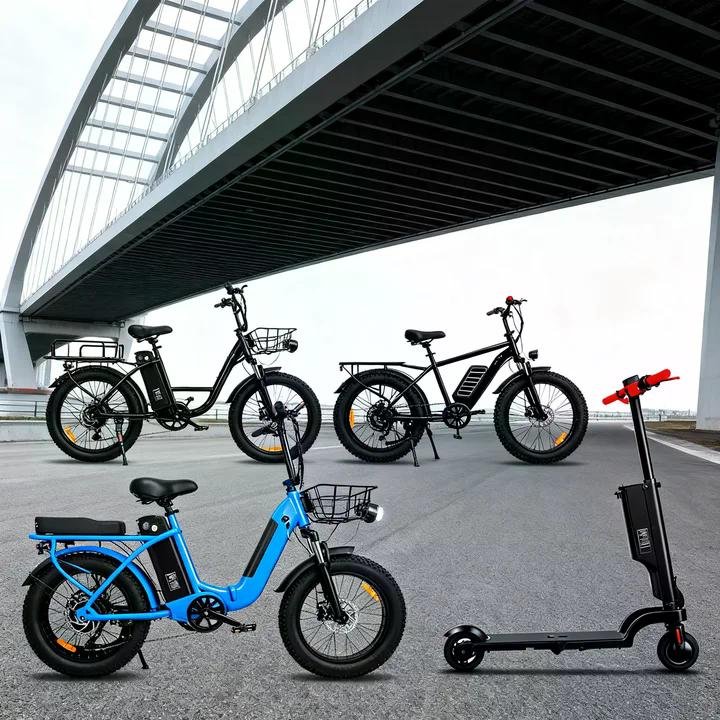
A true appreciation for these electric vehicles begins with their foundational design. The mini ebike, often characterized by its smaller wheels (typically 14 to 20 inches) and often foldable frame, retains the essential structure and utility of a traditional bicycle. It features pedals, which allow the rider to engage in pedal-assist riding, blending human effort with the electric motor’s power. This design fundamentally positions the mini ebike as a fitness tool as much as a transport solution; the user remains an active participant in the journey. Furthermore, the seating position and robust frame are engineered for better shock absorption and stability, rendering longer commutes significantly more comfortable.
In sharp contrast, the e-scooter is built for pure, effortless convenience. Its design is sleek, lightweight, and inherently focused on stand-up riding. The emphasis is on quick-launch acceleration and nimble maneuvering, making it exceptionally efficient for “last-mile” travel—the short distance between a public transit stop and the final destination. While incredibly portable, the small, solid wheels and lack of substantial suspension often mean that the rider directly absorbs most road imperfections. This difference in design dictates much about their respective best use cases and user profiles. Therefore, the choice frequently comes down to prioritizing comfort and range (the ebike) versus pure portability and speed for short hops (the e-scooter).
Analyzing Practical Applications for the Modern Commuter
The practical utility of each vehicle is highly dependent on the user’s typical route and environment. Consider the topography of your city. If a commute involves significant hills or requires covering distances over five miles, the mini ebike is arguably the superior choice. The pedal-assist function, combined with larger battery capacity often found on these bikes, ensures a reliable range and allows the rider to easily conquer inclines without completely draining the power source. The versatility of the gears and the larger wheels also manage varied terrain, from paved roads to light gravel paths, with greater ease and stability.
Conversely, the e-scooter truly shines in dense, flat, urban cores. Its ability to be quickly folded and carried onto a bus, train, or into an office building makes it the undisputed champion of multimodal commuting. For those whose journey is segmented by public transport, the ease of simply stepping off the train and gliding the remaining few blocks is unbeatable. The compact footprint allows for effortless storage under a desk or in a small apartment. While an e-scooter’s speed might be regulated to a lower limit, its agility through pedestrian zones and traffic is a major advantage. Ultimately, the e-scooter is about effortless integration into complex urban logistics, whereas the mini ebike offers a more substantial, versatile, and active riding experience.
Exploring the Critical Factors: Comfort, Safety, and Longevity
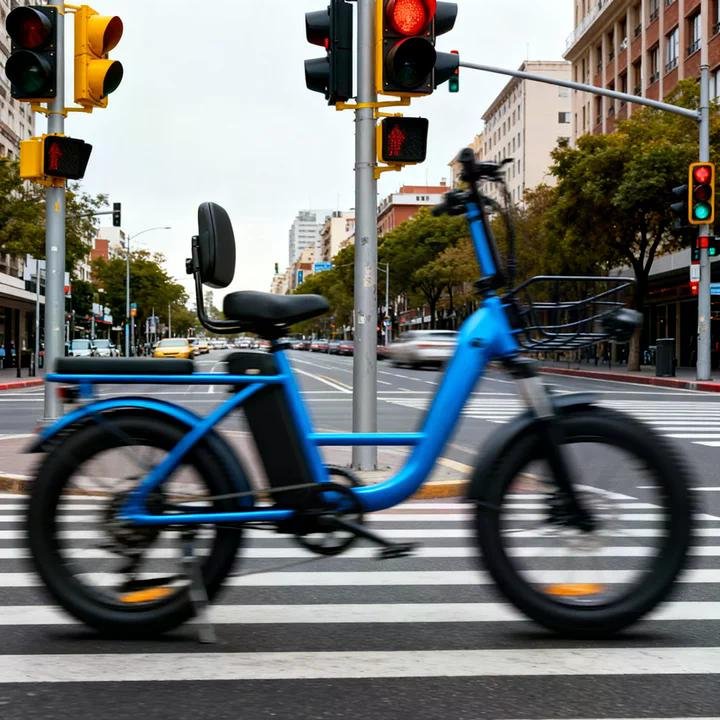
When a consumer invests in electric personal transportation, a reliable, long-term solution is sought. Comfort and safety are not secondary features; they are essential criteria. On the comfort front, the mini ebike offers a clear advantage due to its standard bicycle seating, ergonomic handlebars, and pneumatic (air-filled) tires. These features collectively minimize fatigue on longer rides, allowing users to arrive at their destination feeling refreshed rather than strained. The structure is specifically designed to support sustained riding, a quality greatly appreciated by regular commuters.
Regarding safety, the differences are equally important. Mini ebikes often come equipped with more robust braking systems, sometimes hydraulic or mechanical disc brakes, which provide superior stopping power in varying weather conditions. Their larger frame and physical presence in traffic are naturally more noticeable to drivers, which can subtly contribute to overall safety. While modern e-scooters are becoming safer, the small wheel diameter makes them acutely sensitive to potholes and cracks, presenting a higher risk of unexpected loss of balance. Furthermore, the stand-up posture on an e-scooter is intrinsically less stable than the seated position on a mini ebike. Proper use of protective gear, such as helmets, should always be prioritized regardless of the electric ride chosen.
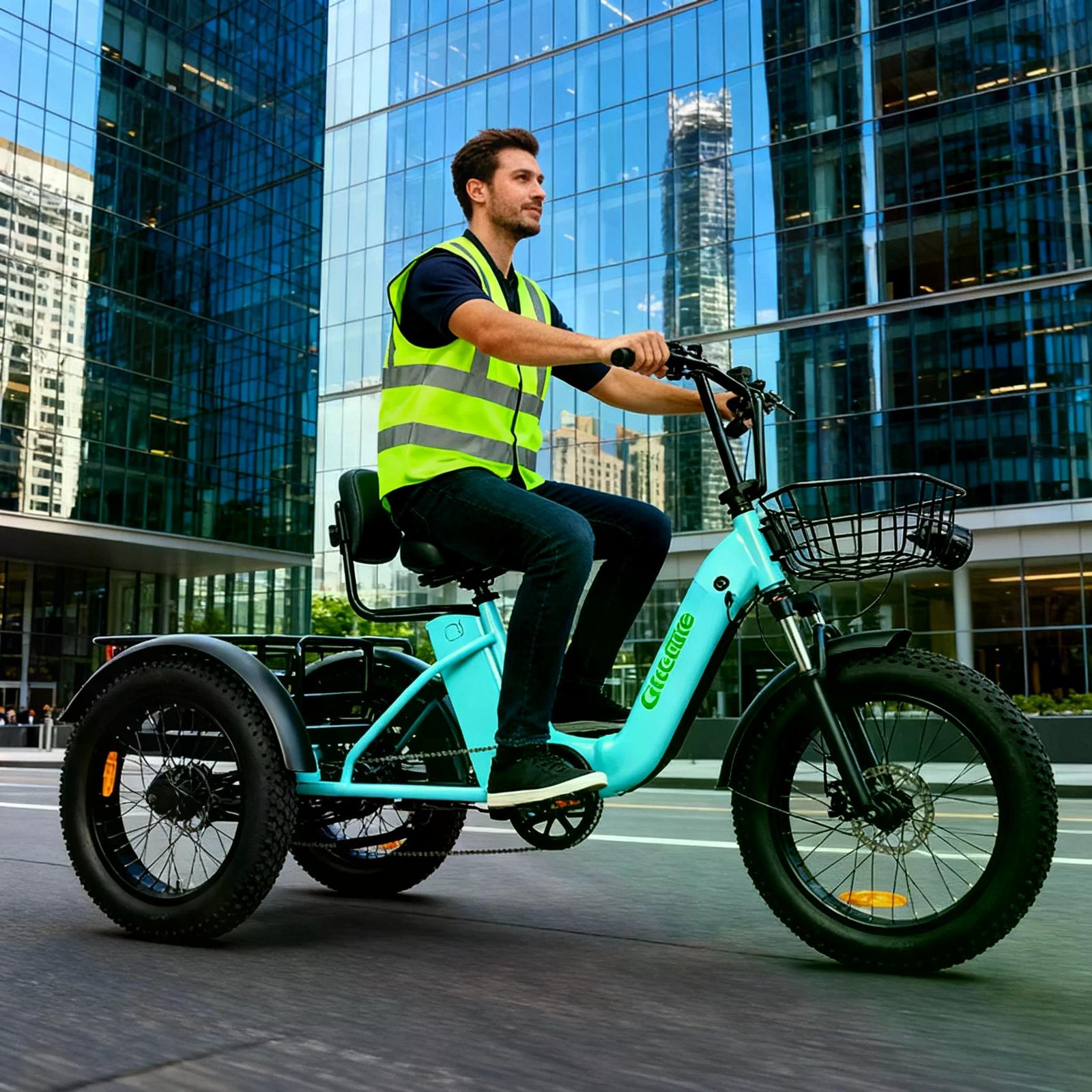
Finally, the factor of longevity and regulation is worth consideration. Due to their more substantial build and integration of traditional bicycle components, mini ebikes often offer a perceived greater lifespan and easier repairability for routine issues. Moreover, regulations regarding the use of these vehicles can differ significantly between municipalities and regions. Users are strongly encouraged to research local laws concerning helmet use, speed limits, and where each type of vehicle is permitted to be ridden (bike lanes versus sidewalks). An informed rider is always a safer, more compliant rider.
Sustainable Choices and the Future of Urban Mobility
Choosing between an e-scooter and a mini ebike is also a choice about one’s contribution to sustainable urban living. Both vehicles dramatically reduce reliance on fossil fuels and lower the carbon footprint of daily travel—a profoundly positive step toward a greener future. The electric power used is a clean alternative, making these forms of transport ethically appealing. However, the pedal-assist feature of the mini ebike promotes a slight amount of physical activity, subtly blending health benefits with environmental responsibility. This unique combination makes it a favored option for those seeking an active lifestyle alongside their commitment to the planet.
As cities continue to grow and adapt, the need for flexible, personal transport solutions will only increase. The decision ultimately rests on the user’s individual priorities:
- Choose the Mini Ebike if you value comfort, longer range, the ability to tackle hills, and a blend of exercise with electric assistance.
- Choose the E-Scooter if your primary needs are maximum portability, short-distance convenience (the “last mile”), and swift maneuvering through very crowded spaces.
By carefully considering these factors, every urban dweller can find the perfect electric ride to transform their commute from a source of stress into a seamless, enjoyable part of their day.