
The electric bicycle, or ebike, has revolutionized personal transportation, offering a powerful blend of traditional cycling freedom and modern electric assistance. Yet, for many potential riders visiting dcpowerebikes, one question remains paramount: How fast can an ebike go? The answer, while seemingly simple, is complex, deeply rooted in legal classifications, technical specifications, and your intended use. Understanding these factors is key to choosing a model that is both exhilarating and compliant with local regulations.
Our exploration begins not with a single number, but with the established legal framework that defines what an ebike is—and how fast its electric motor is allowed to assist.
The Speed Limits: A Legal Landscape for Ebike Riders
The top speed of an electric bike is most definitively set by the law in the region where it is ridden. These regulations have been put in place to ensure safety, clarify road usage, and maintain the classification of the ebike as a bicycle, not a motor vehicle.
The United States’ Three-Class System
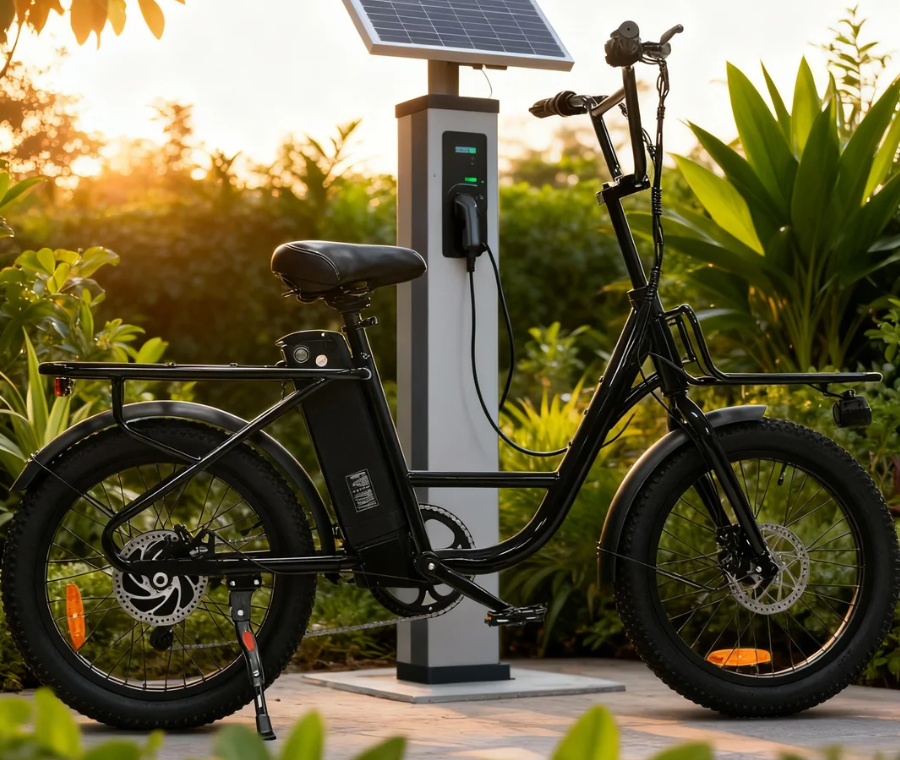
In the US, a clear three-class system has been widely adopted across many states, providing riders with distinct speed and usage parameters:
- Class 1 E-bikes (Pedal-Assist Only, Max 20 mph): This category features a motor that only activates when the rider is pedaling, and the assistance cuts off once the speed reaches 20 miles per hour. These bikes are favored by commuters and recreational riders who appreciate a natural cycling feel with a powerful boost. Their lower speed limit typically allows them on traditional bike paths and trails.
- Class 2 E-bikes (Throttle and Pedal-Assist, Max 20 mph): These models include a throttle that allows the rider to engage the motor without pedaling, though the motor assistance still stops at 20 mph. This feature is particularly beneficial for starting on a hill or for riders who need a momentary break from pedaling.
- Class 3 E-bikes (Pedal-Assist Only, Max 28 mph): Often referred to as “Speed Pedelecs,” these are designed for efficient commuting and can assist a pedaling rider up to a maximum of 28 mph. It is worth noting that a helmet is typically required for Class 3 ebikes, and their use may be restricted on some trails and bike paths.
European Union Regulations
In contrast, the European Union generally adheres to a stricter standard for the standard “Pedelec” classification:
- Standard Pedelecs (Pedal-Assist Only, Max 25 km/h or 15.5 mph): These bikes are limited to a continuous rated motor power of 250 watts, and the motor must cease assisting the rider at 25 km/h. This classification ensures the ebike remains legally a bicycle, allowing for widespread use across cycling infrastructure.
- Speed Pedelecs (S-Pedelecs, Max 45 km/h or 28 mph): These higher-speed bikes are treated as mopeds or light motor vehicles in most EU countries. As a result, they often require a license plate, insurance, and a driver’s license, and may be restricted from using designated bike lanes.
It is clear that the maximum legal speed for an ebike is not universal; rather, it is dictated by the specific class and country. Prospective users must familiarize themselves with their local jurisdiction’s rules to ensure their riding remains legal and safe.
The Mechanics of Velocity: Core Factors Influencing Ebike Speed
While legal constraints define the maximum assisted speed, the actual velocity you can achieve and sustain is influenced by several intrinsic and extrinsic factors. Understanding these technical elements allows a user to optimize their riding experience and efficiency.
Motor Power and Type
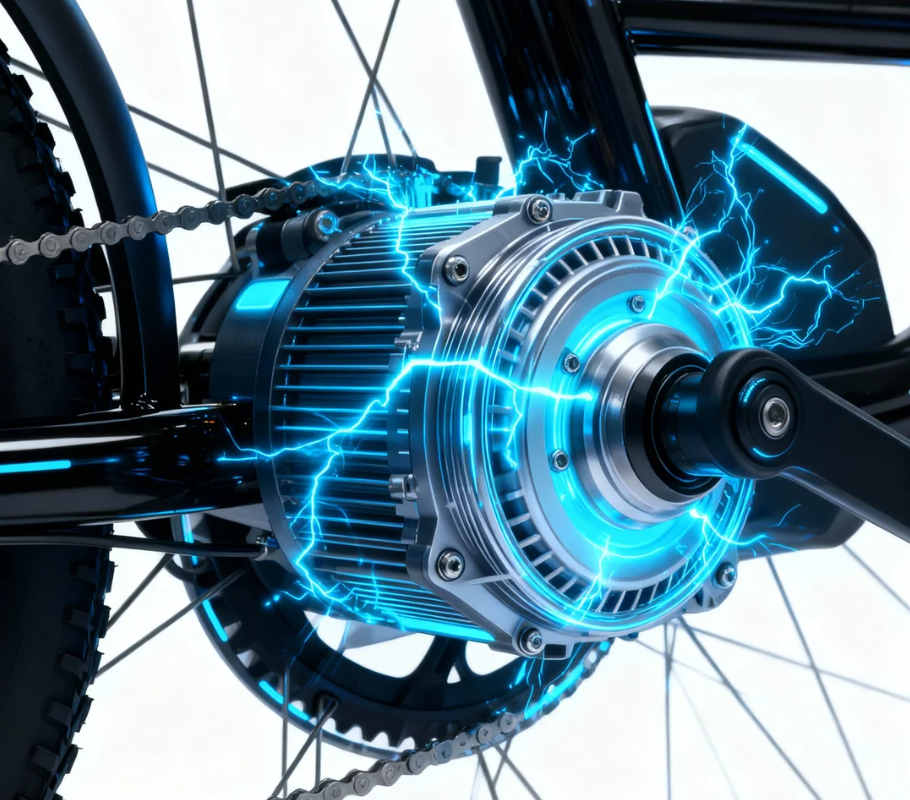
The motor’s wattage provides the foundational power for speed and acceleration. Motors typically range from 250W up to 750W (in the US) or even higher for off-road models. A higher wattage motor, all else being equal, can generally achieve its top-assisted speed faster and maintain it more effectively against resistance.
Furthermore, the motor’s location impacts performance. Mid-drive motors are mounted near the pedals and utilize the bike’s gears, allowing the motor to operate in its most efficient power band. Consequently, they offer superior torque for hill climbing and can feel more responsive at varying speeds. Conversely, hub motors, located in the center of the wheel, are simpler and typically more cost-effective. While they perform excellently on flat terrain, they may struggle to maintain high speeds or high torque on extremely steep inclines.
Battery Capacity and Power Output
The battery is the power source; its capacity (measured in Watt-hours, Wh) determines the range, but its ability to deliver consistent power affects speed. A high-quality battery management system ensures the motor receives the necessary current to sustain high-speed assistance without quickly draining. As the battery charge depletes, the motor’s ability to maintain its peak performance, and thus the bike’s top speed, can be marginally affected over the course of a long ride.
Rolling Resistance and Aerodynamics
Physics plays a critical role in speed. Resistance—primarily from the tires and the air—must be overcome for any speed to be achieved.
- Tires: Wider, knobby tires, commonly found on fat tire or mountain ebikes, create more rolling resistance than narrower, smoother street tires. Therefore, a sleek road ebike with high-pressure, low-resistance tires will reach its top speed more easily than a heavy-duty cargo ebike. Proper tire inflation is an easy way to reduce rolling resistance and boost efficiency.
- Aerodynamics: At higher speeds, air resistance becomes the dominant force. The rider’s body position and the bike’s frame design significantly affect aerodynamics. A rider positioned aggressively low will encounter less wind resistance than an upright rider, resulting in a higher potential top speed or a more efficient use of battery power.
Ebike Speed in Application: Matching Velocity to Your Use Case
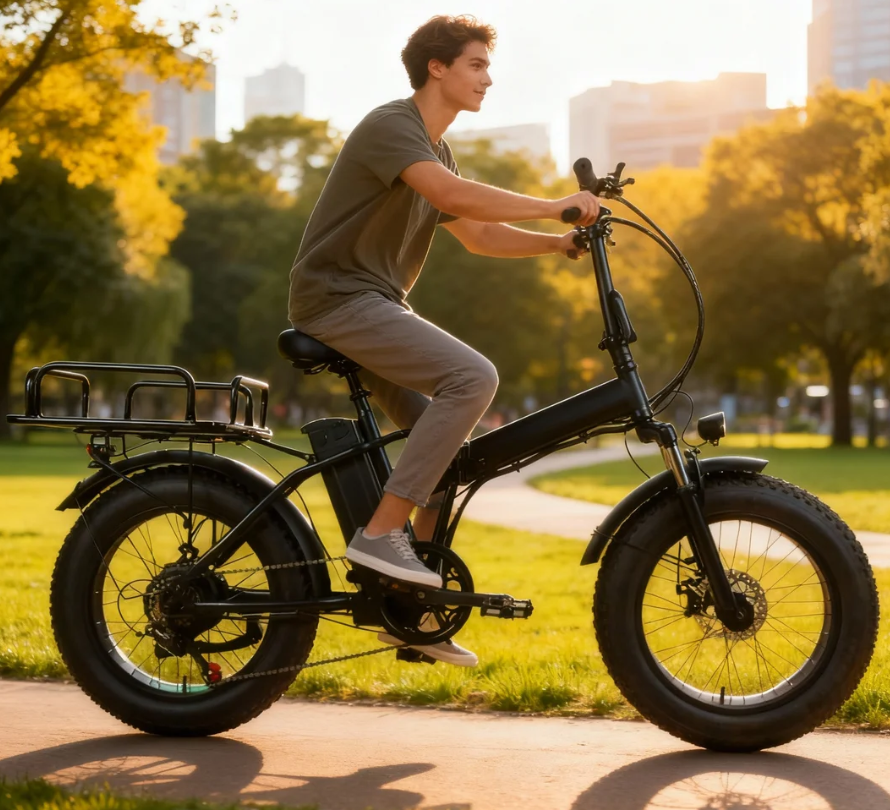
The real value of knowing “How fast can an ebike go?” lies in applying that knowledge to real-world cycling scenarios. The ideal speed varies dramatically depending on whether you are commuting, exploring trails, or running errands.
Efficient Commuting and Urban Travel
For urban commuters, the speed of the ebike is directly related to efficiency and time savings. A Class 3 ebike, with its 28 mph pedal assistance, can dramatically reduce commute times, particularly over distances greater than five miles. Traveling at 28 mph often allows a rider to keep pace with slower vehicular traffic, enhancing safety in multi-lane environments. Moreover, the sustained high speed provided by electric assistance makes it possible to arrive at a destination quickly and without the exhaustion typically associated with cycling at that speed. This ability to travel quickly and comfortably is one of the most compelling features for the everyday user.
Trail Riding and Recreational Use
Riders focused on mountain biking or trail exploration typically prioritize torque and control over sheer top speed. Many designated multi-use trails restrict electric assistance to 20 mph (Class 1 or 2), prioritizing the shared safety of all users. In these applications, the motor is valued for its ability to smooth out inclines and power through difficult terrain, making the ride enjoyable without the need for high velocity. The sustained assistance allows for longer adventures and greater access to remote areas, all while staying within the legally prescribed speed limits of the trail system.
Cargo and Utility Cycling
Utility ebikes, often designed to carry heavy loads or children, are less about reaching maximum speed and more about maintaining a manageable, steady pace with a full payload. Powerful motors (often 750W) and robust frames are utilized to overcome the inertia of the total weight. While they are fully capable of reaching the 20 mph limit, the motor’s torque is its most valuable asset, ensuring safe acceleration and control even when fully loaded.
The Right Perspective: Speed, Safety, and Responsibility
Ultimately, the question “How fast can an ebike go?” is best answered not just with a number, but with an appreciation for balance. Electric bicycles are designed to enhance mobility and provide a sustainable transportation alternative. The established speed limits—be they 20 mph, 28 mph, or 15.5 mph—are in place to ensure ebikes can be integrated safely into existing infrastructure.
Responsible ownership involves respecting these limits and recognizing that the maximum legal speed provides the floor for performance, not a reckless goal. A good ebike delivers consistent power and assistance, allowing the rider to easily maintain a comfortable, efficient speed tailored to their environment and specific needs. By understanding the legal framework and the underlying technical factors, an ebike user can maximize the utility and enjoyment of their ride, confidently knowing they are operating within safe and legal boundaries.