
The landscape of personal transportation is undergoing a profound transformation, driven by a growing global imperative for sustainability and efficiency. At the vanguard of this revolution is a fascinating hybrid vehicle that is rapidly gaining traction: the ebike motorcycle. This category blurs the traditional lines between a standard electric bicycle and a low-powered motorcycle, offering a compelling blend of pedal-assist utility and throttle-driven performance. For the environmentally conscious user navigating the congested arteries of a modern city, understanding what an ebike motorcycle is, and critically, how it fits into the current regulatory and practical framework, is essential. This article aims to deeply explore this innovative segment, highlighting its significant features and demonstrating the tangible value it offers to its users.
The Defining Characteristics of the Ebike Motorcycle
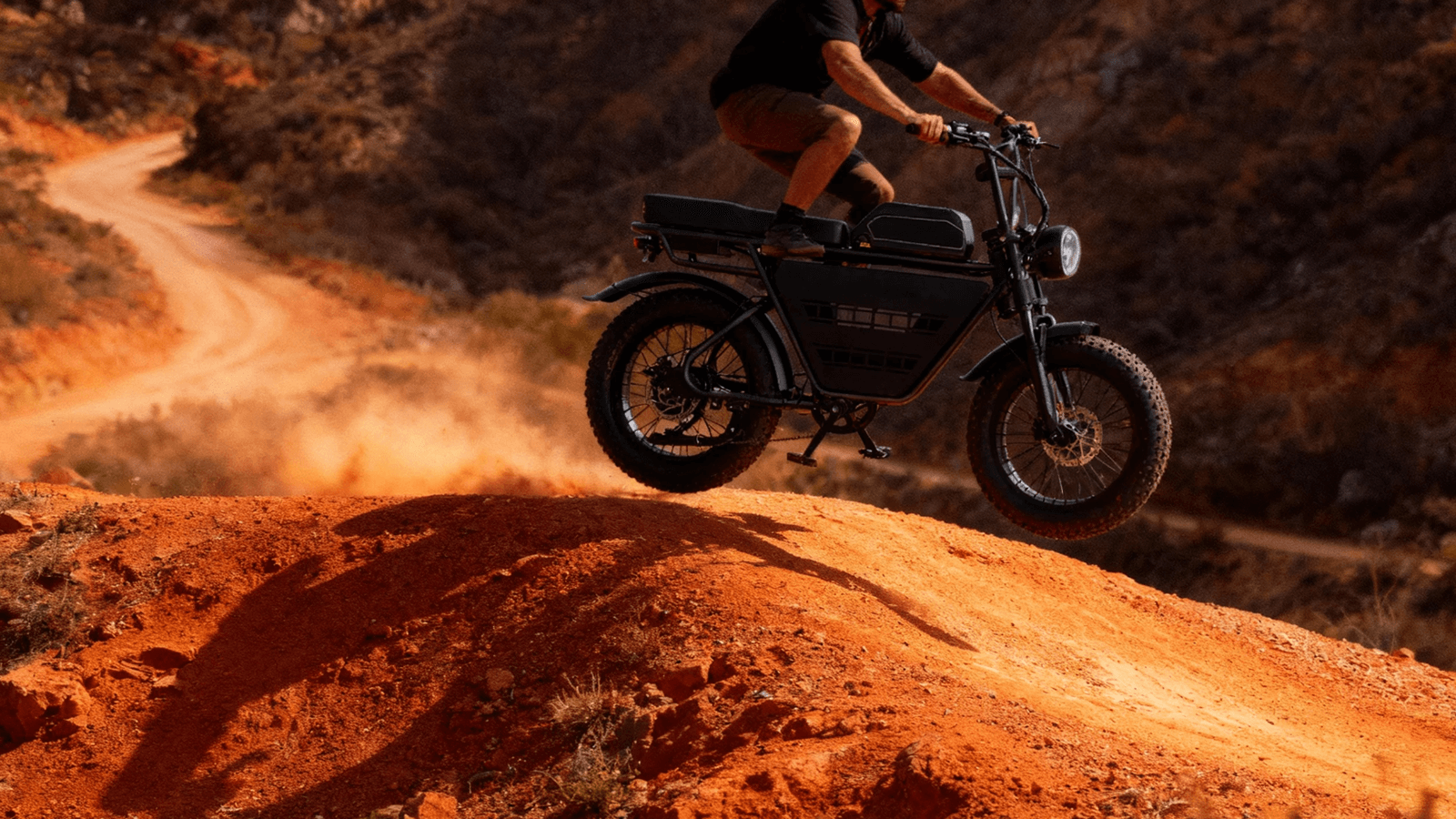
What exactly sets an ebike motorcycle apart from its more conventional relatives? It is defined by a higher power output and, often, a more robust frame design, closer in aesthetic and feel to a light motorcycle rather than a traditional bicycle. Unlike standard e-bikes which might cap out at 750W and restrict speed based on pedaling (Class 1-3), these vehicles frequently possess motors capable of higher continuous wattage, enabling greater speeds and torque. Crucially, they are often equipped with a fully functional throttle, allowing the rider to maintain speed without any need for pedaling whatsoever. This feature dramatically enhances their utility, especially on inclines or during prolonged commutes.

The core attraction lies in the fusion of technologies. From the bicycle side, they offer the benefit of zero tailpipe emissions and a compact footprint, making parking significantly less challenging than with a full-sized motorcycle. Furthermore, they promote user engagement with the environment and city. Conversely, the ‘motorcycle’ aspect brings increased speed capabilities and the durability of components built to handle more demanding use. Consequently, for users seeking to replace car trips or upgrade from a traditional bicycle for longer, faster commutes, the ebike motorcycle presents itself as a supremely practical solution.
Powering the Shift: Performance and Practical Applications
The performance metrics of an ebike motorcycle are inherently superior to those of most conventional e-bikes, focusing on efficiency, range, and speed. High-capacity lithium-ion batteries are standard, providing a significant operational range that comfortably covers the daily round-trip commute for most urban dwellers. This extended range is a key value proposition, mitigating “range anxiety” often associated with electric vehicles. Advanced battery management systems ensure longevity and safe operation.
The application of this technology is focused squarely on the urban user. Ebike motorcycles excel in scenarios where a traditional motorcycle is too cumbersome and a standard bicycle is too slow or physically demanding. Consider a professional needing to cover 15 miles across a city: the speed and power of an ebike motorcycle significantly reduce travel time compared to a standard e-bike, ensuring a timely arrival without the high operating costs or parking headaches of a car. Thus, it bridges a critical gap in the existing mobility options.
Moreover, the robust design of these bikes means they can often handle a heavier payload. Many models are designed with integrated racks or storage capabilities, making them ideal for grocery runs or carrying work equipment. The combination of power and practicality translates directly into a higher quality of life for the user. They offer a reliable, cost-effective, and enjoyable method of traversing an urban environment.
Navigating the Regulatory Landscape: Responsibility and Values
A pivotal consideration for any potential user is understanding the legal classification of an ebike motorcycle. Due to their higher power and speed capabilities, these vehicles often fall outside the typical e-bike classes (Class 1, 2, 3) in many jurisdictions. Depending on the local regulations, they might be classified as a moped, scooter, or low-speed motorcycle. This reclassification can bring with it new requirements, such as mandatory registration, licensing, insurance, and the use of specific lanes or roads.
A responsible approach to ownership is paramount. Prospective users are strongly advised to thoroughly research the specific laws in their state or municipality before purchasing. Operating an ebike motorcycle under the pretense of a standard e-bike when it legally requires additional endorsements can lead to significant fines and legal issues. The correct, ethical use of these vehicles aligns with a positive civic value—respect for shared infrastructure and the safety of all road users. The inherent value proposition includes freedom, but this freedom is tethered to adherence to local laws and a strong sense of personal responsibility.
The Broader Impact on Urban Mobility and Lifestyle
Beyond the personal benefits, the proliferation of the ebike motorcycle segment carries a significant, positive societal impact. As cities grapple with increasing traffic congestion and air quality issues, shifting commuters from single-occupancy cars to electric, highly efficient alternatives becomes critical. The ebike motorcycle offers a scalable solution to both problems. Its energy consumption is a fraction of a car’s, and its smaller footprint alleviates parking and traffic pressures.
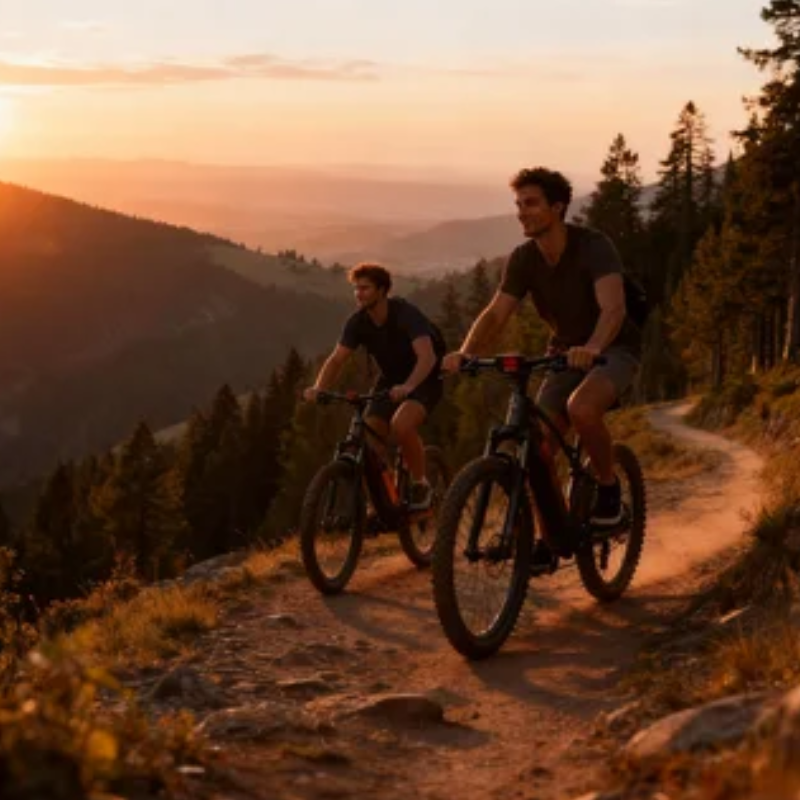
Furthermore, these vehicles offer an accessible entry point to motor-powered travel for many. They are typically less expensive to purchase and maintain than a full-sized motorcycle, and in some areas, the licensing requirements are less stringent. This democratizes access to efficient, powered mobility, offering economic value to a wider demographic.
Ultimately, the embrace of the ebike motorcycle represents a cultural shift toward conscious consumption and practical utility. Users are choosing a mode of transport that is fun, efficient, and aligns with environmental stewardship. It is an investment in personal convenience and a vote for a more sustainable urban future. The vehicle’s design and purpose clearly point toward a future where rapid, personalized electric transport is the norm, making a strong case for its role as the future of urban commuting.
Frequently Asked Questions (FAQ)
What is the main difference between an ebike and an ebike motorcycle?
The principal difference lies in power output, speed capability, and reliance on the throttle. Standard e-bikes typically have lower power (e.g., max 750W) and are primarily designed for pedal-assist, whereas an ebike motorcycle has a higher wattage and torque, often allowing for full-throttle operation without pedaling, leading to higher speeds and a sturdier, motorcycle-like build.
Are licenses or registration required to ride an ebike motorcycle?
It depends entirely on the specific motor wattage, speed capability, and the local regulations in your area. Due to their power, many ebike motorcycles fall into moped or scooter classifications, which do require registration, licensing, and insurance. Always check your local Department of Motor Vehicles (DMV) rules before purchasing.
How far can I typically travel on a single charge?
The range varies significantly based on battery capacity, terrain, rider weight, and how much you use the throttle versus pedaling. However, most quality ebike motorcycles offer a practical range between 30 to 60 miles (48 to 96 kilometers) on a single charge under mixed usage conditions, which is sufficient for most daily urban commutes.