
Electric bicycles, commonly known as e-bikes, represent a transformative shift in personal transportation. They effectively blend the traditional joy of cycling with innovative battery-powered assistance, offering an accessible and efficient mode of travel for a diverse range of users. Unlike mopeds or motorcycles, an e-bike’s motor is primarily designed to assist the rider’s pedaling effort, rather than solely power the vehicle. Therefore, operating one requires understanding this fundamental difference, particularly the nuanced interaction between human power and electric assistance.
The initial feeling experienced by new riders is often one of effortless acceleration. Since e-bikes are typically heavier than conventional bicycles, this motor assistance is crucial for easy starting and maintaining speed, especially on inclines. Consequently, the learning curve is short, yet mastering the machine—understanding its power delivery, braking dynamics, and application in various scenarios—is what unlocks the true value of the technology. The core principles of traditional cycling apply, but an electrified layer introduces new techniques related to managing speed, battery life, and the different levels of pedal assist (PAS) or throttle controls.
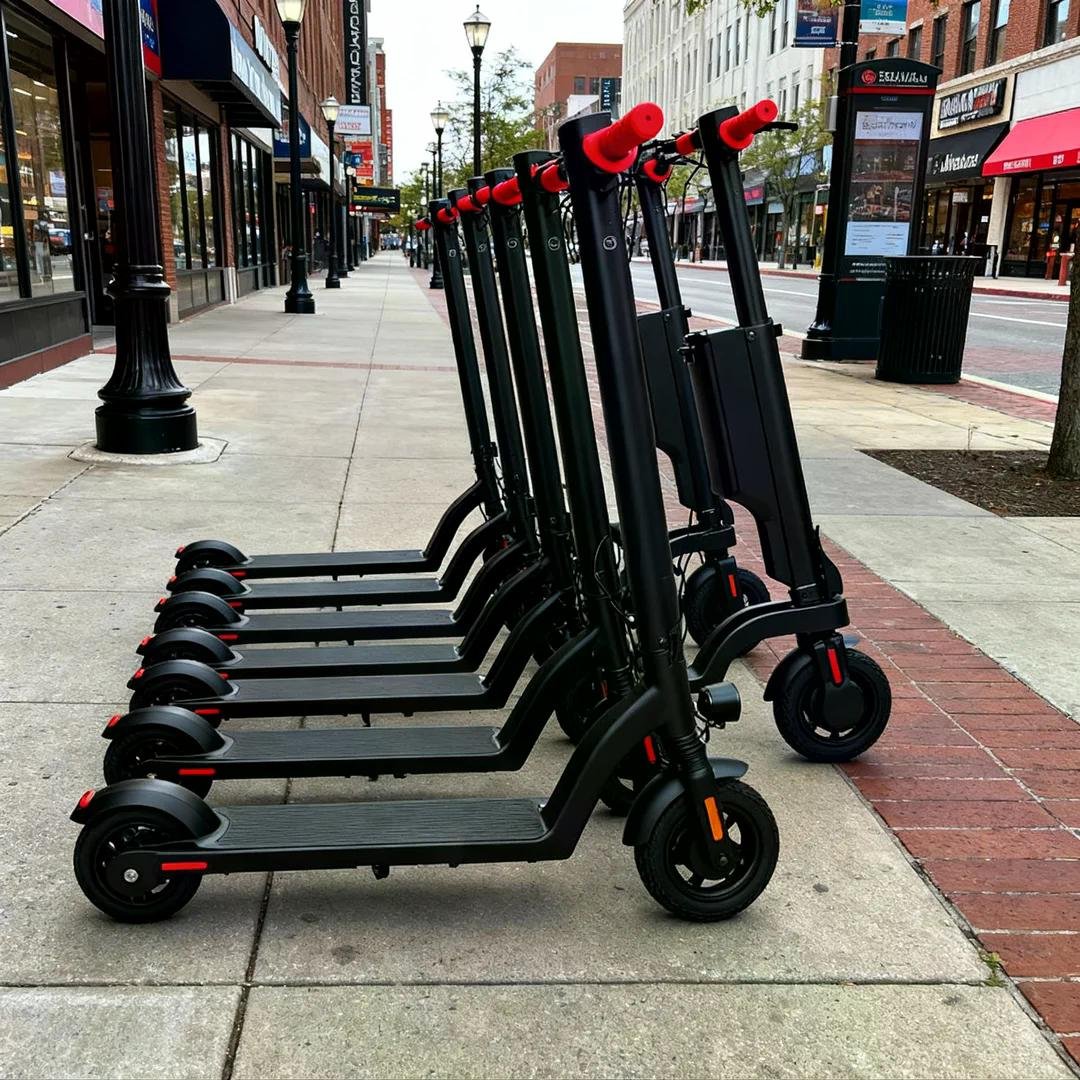
Essential Skills: How to Ride an E-Bike Safely and Efficiently
Riding an e-bike effectively requires a foundational understanding of its core components and how they influence the riding experience. Getting comfortable with the controls is the first, most critical step for any new owner.
Adjusting and Getting Started: The Pre-Ride Checklist
Before embarking on any journey, a thorough check ensures safety and comfort. Initially, the bike must be properly fitted. The saddle height, for instance, should be adjusted to allow for near-full leg extension at the bottom of the pedal stroke—a principle consistent with all cycling, but vital for e-bikes to maximize pedaling efficiency and conserve battery. Handlebar reach and height are also adjusted for a comfortable, slightly aggressive stance, offering better control at higher speeds.
Next, familiarization with the bike’s technology is essential. The battery charge level is checked, and the display panel is used to select an initial assistance level. Starting in the lowest pedal-assist mode (often labeled ‘Eco’) is strongly recommended. This gentle initiation prevents the surprising, and potentially destabilizing, surge of power that can occur when starting in a high-assist mode. As the pedals are turned, the motor engages. A smooth, controlled start is achieved by keeping a foot firmly on the ground initially and feathering the pedals until momentum is gained.
Managing Power and Gear Shifting
The key to efficient e-bike riding lies in the harmonious use of the pedal-assist system and the mechanical gears. The PAS levels—from Eco to Turbo—dictate the amount of electrical power added to the human effort. Riders are encouraged to utilize lower assist modes whenever possible. This practice significantly extends the riding range and provides a better physical workout. Higher modes are best reserved for steep hills, fighting strong headwinds, or achieving rapid acceleration when necessary, such as merging with traffic.
Crucially, gears should be shifted intelligently, just as on a regular bike. A common mistake is using a high-assist level to compensate for being in the wrong gear. Instead, riders should aim for a faster cadence (pedal revolutions per minute) in an easier gear. This is more efficient for the motor and battery. Furthermore, gear changes should generally be made before a heavy load is applied, such as before starting a steep climb, to prevent undue stress on the drivetrain components. The simultaneous coordination of gear selection and assist level is where true mastery of the e-bike is achieved, ensuring a smooth and responsive ride.
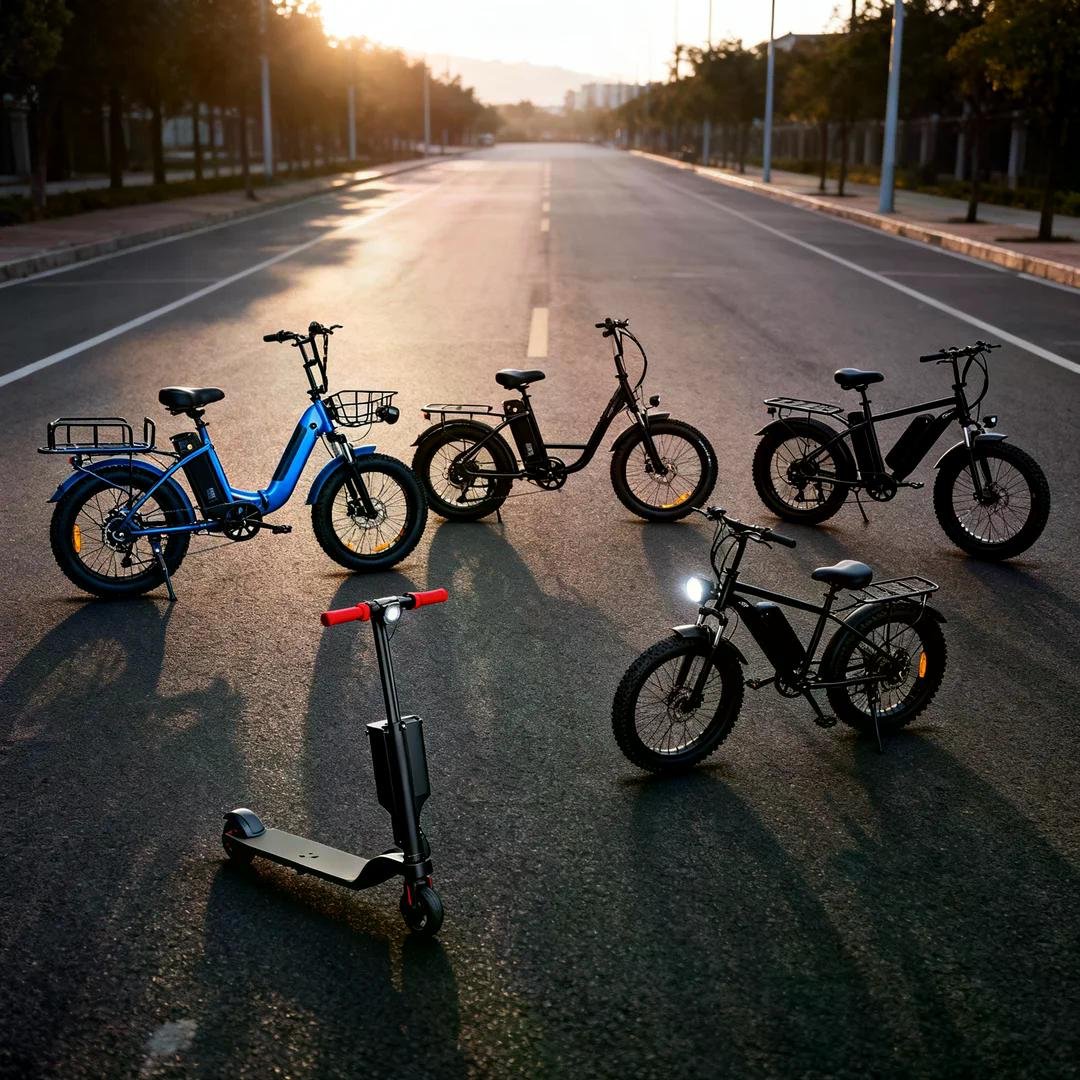
Braking Dynamics: Speed and Weight Considerations
Because e-bikes carry both the mass of the motor system and are capable of greater speeds, their braking dynamics differ from conventional bicycles. More weight means greater momentum, requiring a longer distance to stop. Consequently, riders must brake earlier and more gradually.
Most modern e-bikes are equipped with robust disc brakes, which offer excellent stopping power. However, riders must learn to use both the front and rear brakes simultaneously for optimal and safe deceleration. Practicing emergency stops in a quiet area is an invaluable exercise, allowing the rider to understand the specific feel and stopping distance of their machine. Defensive riding and always anticipating potential stops are therefore elevated in importance when operating an e-bike.
E-Bike Applications: A New Era of Mobility and Lifestyle
The inherent advantages of e-bikes—the ability to cover greater distances, conquer steep terrain, and transport cargo with relative ease—have spurred their application across numerous aspects of modern life. They represent a sustainable, practical, and enjoyable alternative to other forms of transport.
Urban Commuting and Errands
The e-bike is an exceptional tool for navigating the complexities of urban environments. Commuting becomes faster, often bypassing traffic congestion entirely while eliminating the stress of finding vehicle parking. The electric assist means a rider can arrive at their destination feeling refreshed, not fatigued and sweaty, which is a significant barrier for traditional cycling commuters. Range anxiety is minimized for most city trips, as the average commute easily falls within a single charge cycle. Moreover, models designed for cargo are becoming popular, transforming the bike into a versatile utility vehicle capable of hauling groceries or transporting children, thereby replacing short-distance car trips and contributing to cleaner air.
Fitness and Wellness Integration
Contrary to the misconception that e-bikes eliminate exercise, they are actually a powerful tool for promoting health. The rider still pedals; the motor merely amplifies the effort. E-bikes allow individuals with varying fitness levels, including those recovering from injury or older adults, to participate in cycling alongside fitter companions, thus promoting social inclusion and continued activity. Longer, more challenging routes that might have been impossible before now become manageable, encouraging riders to spend more time outdoors and explore further. The ability to fine-tune the assistance level means the workout can be controlled, moving from low-intensity recovery rides to high-intensity climbs with a simple button press.
Adventure and Recreational Exploration
For recreational riders, e-mountain bikes (eMTBs) are opening up new trails and challenging terrains. They allow for the efficient climbing of hills, which were once only accessible by vehicle or a difficult hike, leading to greater access to remote natural areas. Similarly, long-distance touring is being transformed. With the help of assist modes and well-placed charging points, cyclists can undertake multi-day trips with greater confidence, comfortably carrying the necessary gear for extended exploration. The freedom to traverse diverse landscapes, from paved roads to rugged trails, expands the horizon of personal adventure.
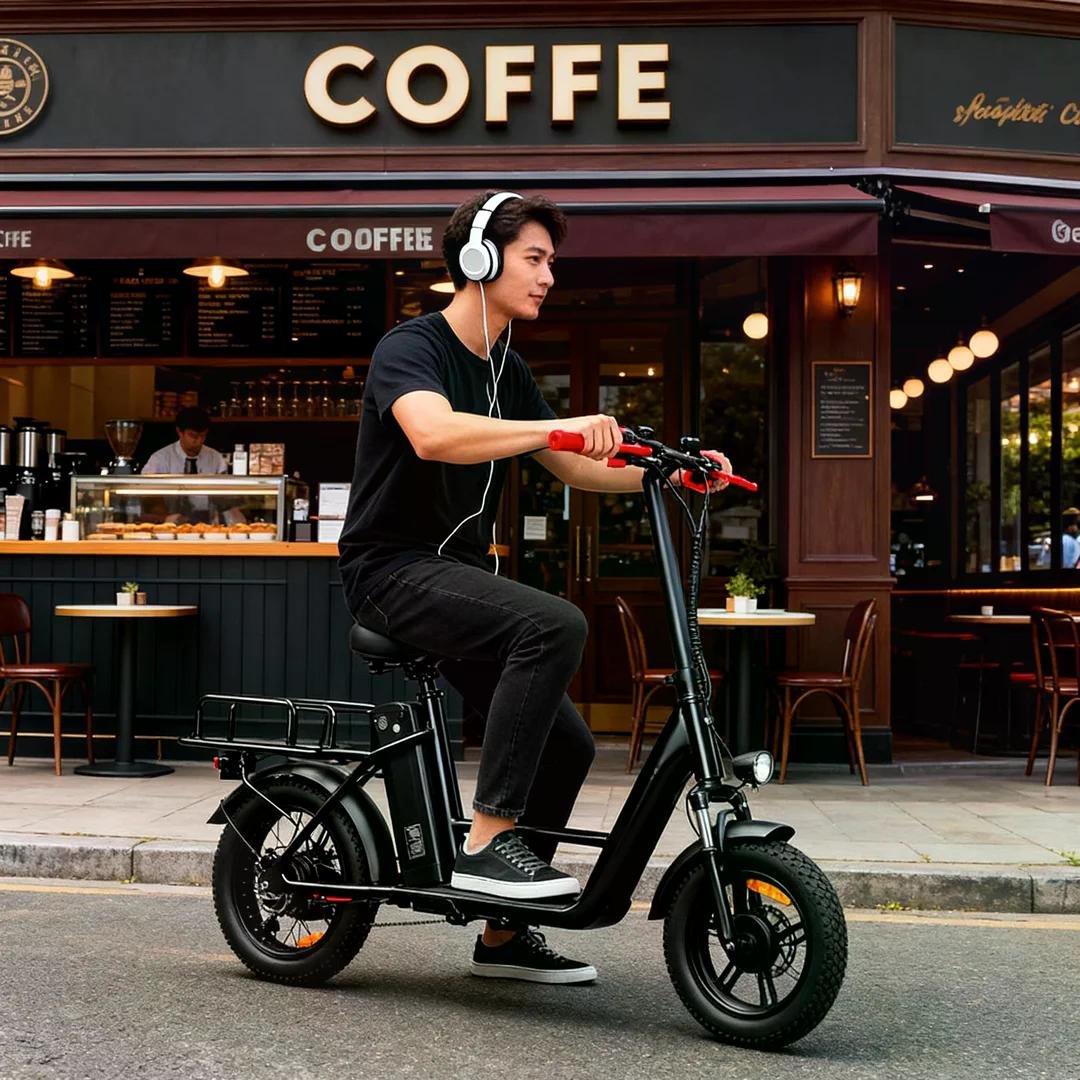
Riding with Responsibility: Safety and Ethical Considerations
The increased speed and application of e-bikes necessitate a focus on safety and community responsibility. The correct mindset is one of respectful shared-path use and adherence to traffic laws.
Prioritizing Safety Gear and Awareness
Wearing a well-fitting helmet is non-negotiable. It is the single most important piece of safety equipment. High-visibility clothing, especially when riding in low light, significantly boosts a rider’s presence. Furthermore, bright, functional lights—front and rear—are essential for riding safely after dark or in poor weather.
Riders must also be highly aware of their surroundings. Due to the e-bike’s potential for quiet speed, pedestrians and other cyclists may not anticipate a fast-moving object. It is crucial to yield to pedestrians, always signal intentions clearly with hand signals, and maintain a safe, respectful speed when sharing multi-use paths. Defensive riding involves scanning far ahead, anticipating vehicle doors opening, and making eye contact with drivers at intersections to ensure visibility is acknowledged.
Charging and Maintenance for Longevity
The battery is the heart of the e-bike system, and its care directly impacts the bike’s lifespan and safety. Batteries should be charged using only the manufacturer-supplied charger and should not be left charging unattended for extended periods, especially overnight. For long-term storage, maintaining a charge level between 40% and 80% is recommended for optimal cell health. Regular maintenance checks—ensuring tires are properly inflated (which also extends range), brakes are responsive, and the chain is clean and lubricated—are necessary to keep the e-bike running reliably and safely.
The electric bicycle is a tool that empowers movement, offering an economical, sustainable, and enjoyable solution for modern travel challenges. By approaching the ride with respect for the machine’s capabilities and a commitment to safe, responsible practices, the rider fully integrates this technology into a positive, active lifestyle.