
The landscape of urban transportation is rapidly changing, driven by a global push toward sustainability and a desire to bypass traffic congestion. This transformation has brought the electric bicycle (e-bike) and the e-scooter into the spotlight as compelling, personal micro-mobility solutions. While both are electric, compact, and efficient, they represent fundamentally different riding experiences and serve distinct user needs. For users exploring how to integrate a light electric vehicle into their daily routine—whether for commuting, errands, or recreation—understanding the core differences between an e-bike and an e-scooter is absolutely critical. This detailed exploration is designed to provide you, the potential rider, with an in-depth, practical comparison, focusing heavily on the superior versatility and application of the modern e-bike.
Understanding the Core Difference: E-Bikes vs. E-Scooters
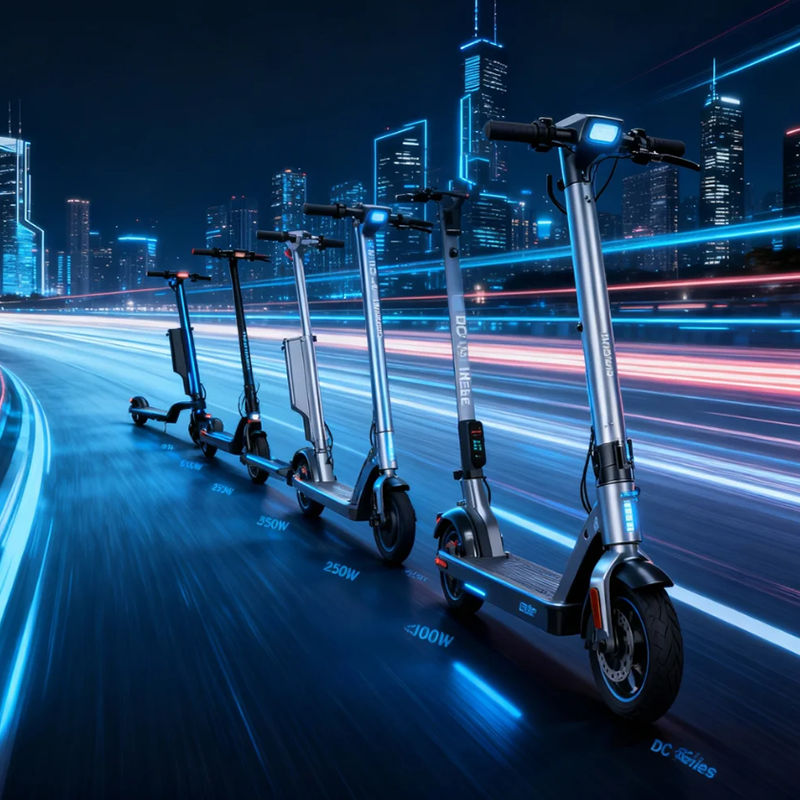
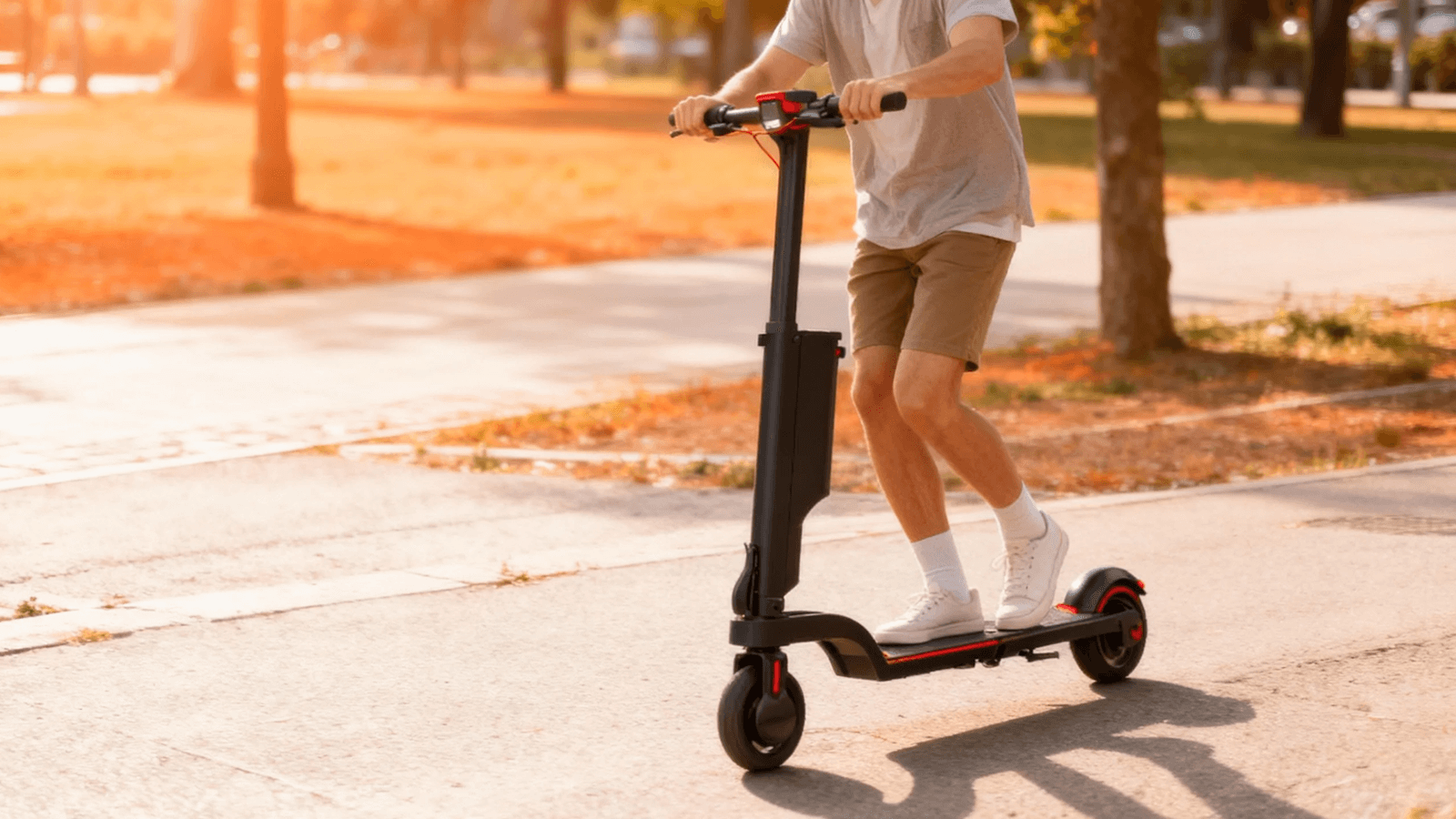
Fundamentally, the distinction lies in design and functionality. An e-scooter typically features a smaller deck, smaller wheels, and a minimal frame, offering a highly portable, stand-up experience perfect for short, “last-mile” journeys. Conversely, an electric bicycle is built on a traditional bicycle frame, complete with gears, larger wheels, and a seat, providing a comfortable, seated ride with pedal-assist technology. The e-bike’s design—incorporating larger batteries, robust tires, and more powerful motors—immediately lends itself to greater range, better stability, and significantly more utility than its stand-up counterpart. This difference in engineering profoundly impacts real-world performance.
The E-Bike Advantage: Range, Comfort, and Power
When considering a dedicated commuter vehicle, the advantages of the e-bike quickly become clear.
Range and Battery Longevity
One of the most defining characteristics of an e-bike is its superior range. E-bikes are designed to accommodate larger lithium-ion battery packs, often 500Wh or more. This substantial energy capacity allows riders to travel distances upwards of 40–50 miles on a single charge under pedal-assist mode. E-scooters, constrained by their smaller frame and portability requirements, typically house much smaller batteries, which limit their practical range to under 20 miles in many cases. For anyone with a round-trip commute of more than a few miles, or who needs to run multiple errands without constant recharging, the e-bike’s extended range is an undeniable necessity.
Rider Comfort and Ergonomics
Comfort is another major differentiator. The seated position of an e-bike, complete with full-sized handlebars and often advanced suspension systems, is engineered for prolonged riding. A long commute on a dedicated electric bicycle is significantly more comfortable than standing rigidly on the small deck of an e-scooter. Furthermore, e-bikes use standard bicycle wheels (20-inch to 29-inch), which are far better at absorbing road shock, navigating potholes, and maintaining stability over rough or uneven surfaces—a key safety factor in urban environments. E-scooters, with their small, solid wheels, transmit almost every bump directly to the rider, which can be fatiguing and jarring.
Practical Utility and Cargo Capacity
The application of an e-bike extends well beyond just the commute. Thanks to their robust frames, they are easily outfitted with racks, baskets, and pannier bags. This allows users to carry significant cargo—groceries, work bags, or personal gear—effortlessly. Many specialized cargo e-bikes can handle hundreds of pounds, completely replacing the need for a car for weekly shopping trips. By contrast, an e-scooter offers almost zero integrated cargo capacity, limiting its utility primarily to the rider and a small backpack. For the practical user who values utility, the e-bike is the clear winner.
Navigating Safety, Visibility, and Legal Considerations
Safety must always be a top priority when selecting a personal electric vehicle, and here again, the e-bike generally provides a more secure ride.
Stability and Braking Performance
The larger wheel base and weight distribution of an e-bike enhance its stability at speed and during cornering. They also typically feature superior braking systems, such as hydraulic or mechanical disc brakes, which are far more effective at stopping the bike and rider quickly and predictably than the smaller brakes often found on an e-scooter. In a busy urban environment, having reliable, powerful brakes is an essential safety net that can prevent accidents. Additionally, the taller, seated posture of an e-bike rider provides better visibility of traffic and makes the rider more visible to drivers.
Legal Framework and Infrastructure Use
The regulatory environment often favors electric bicycles. Many cities and municipalities have explicitly paved the way for e-bikes to use bicycle lanes and designated paths, treating them similarly to conventional bicycles. While many e-scooters are also permitted, their operation can be more restricted; some areas ban them from sidewalks while others prohibit them from roads, creating ambiguity for the rider. Before purchasing, it is crucial to research local laws, but generally, the e-bike fits more seamlessly into existing cycling infrastructure.
The Final Decision: Aligning the Ride with Your Life
Ultimately, the choice between an e-bike and an e-scooter hinges on the intended use case.
If your requirements are minimal—specifically, very short trips (under two miles) over smooth, flat terrain where portability (like folding it up to carry onto a bus) is the single most important factor—the simplicity of the e-scooter may be appealing.
However, for the vast majority of electric vehicle users, especially those seeking a reliable, long-term replacement for automobile dependence, the electric bicycle offers a dramatically superior solution. With its capacity for extended range, a comfortable seated ride, the ability to carry cargo, enhanced safety features, and seamless integration with cycling infrastructure, the e-bike is undeniably the more practical, versatile, and enduring personal transportation option. It provides not just a way to commute, but a new, active lifestyle.
Frequently Asked Questions (FAQ)
Q1: Can an e-bike completely replace my car for urban trips?
A: For most urban and suburban errands and commutes, yes. Modern electric bicycles have the range and cargo capacity to handle commutes, grocery runs, and light hauling, especially with the use of panniers and racks.
Q2: How much maintenance does an e-bike require compared to an e-scooter?
A: E-bikes share most maintenance needs with traditional bicycles (tires, brakes, chain adjustments) plus battery care. An e-scooter is generally simpler mechanically but can have more complex issues if the small solid tires or steering mechanism fails. Overall, the components on a quality e-bike are designed for longevity and easy repair.
Q3: Is the speed limit for e-bikes and e-scooters the same?
A: Not always. E-bikes in the US are typically classified into three classes, with top assisted speeds of 20 mph or 28 mph. E-scooters may have varying legal speed limits, often capped lower than e-bikes, depending on local regulations. Always check your local jurisdiction’s rules.