
Electric mobility has transformed urban landscapes. Commuters zip past traffic jams, and delivery riders navigate busy streets with ease. However, this rapid adoption brings confusion regarding legality and safety. You might find yourself asking, can i ride a ebike on the road without facing fines or safety hazards? The answer is generally yes, but significant nuances exist based on where you live and what you ride.
Understanding the distinction between a compliant electric bicycle and an unregistered motorbike is crucial. Local laws dictate specific speed limits, power caps, and equipment requirements. Therefore, knowing your machine determines your freedom to ride.
Defining the Modern Electric Bicycle
Before hitting the pavement, you must identify what category your vehicle falls under. Regulatory bodies usually separate electric bicycles from mopeds and motorcycles based on motor output and maximum speed.
The Three-Class System
Most regions, particularly in North America, utilize a three-class system to regulate usage.
- Class 1: The motor provides assistance only when you pedal and stops helping at 20 mph. These are universally accepted on most roads and bike paths.
- Class 2: These feature a throttle. You can move without pedaling, but the motor cuts off at 20 mph.
- Class 3: Often called “speed pedelecs,” these provide pedal assistance up to 28 mph. Due to their speed, they face stricter regulations regarding bike paths.
If your bike exceeds these limits or lacks functional pedals, authorities may classify it as a motorbike. Consequently, you would need a license, registration, and insurance to operate it legally.
Distinguishing E-bikes from Other Micro-mobility
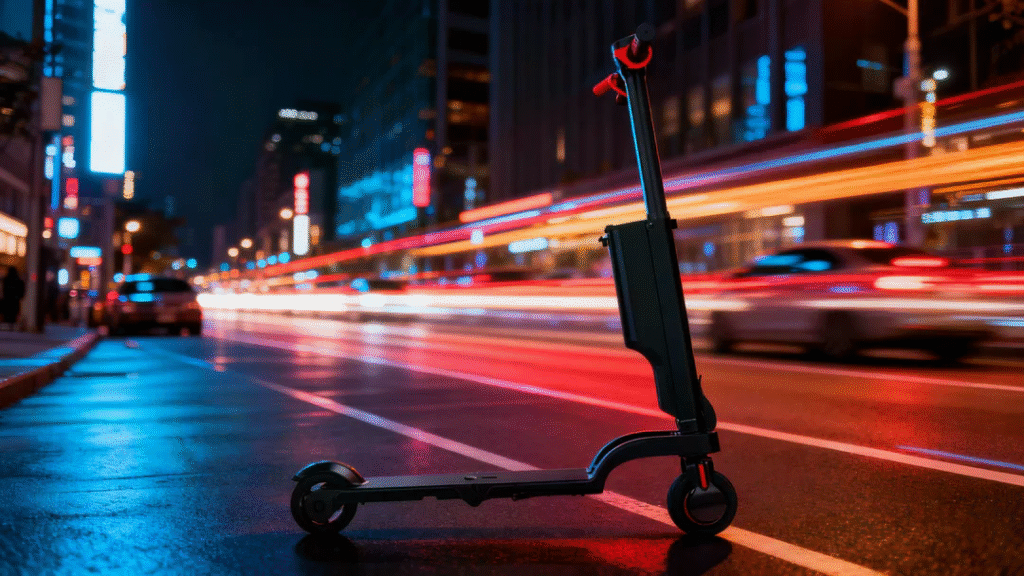
Confusion often arises when comparing e-bikes to an electric scooter. Scooters typically feature a standing platform and smaller wheels. While often legal on roads with lower speed limits, they usually face stricter bans on sidewalks compared to bicycles.
Choosing the Right E-bike for Road Use
Selecting the correct machine influences your riding experience and legal standing. Different designs serve different purposes on the asphalt.
The Versatile City Ebike
A city ebike is designed specifically for pavement. These models feature smooth tires, integrated lights, and comfortable geometry. They offer the best balance of efficiency and visibility for urban environments. Because they fit standard bicycle definitions, they rarely encounter legal friction on public streets.
The Utility of the Cargo Ebike
Families and businesses are increasingly turning to the cargo ebike. These robust machines can haul groceries, children, or delivery packages. Their longer frames and heavier weight make them stable on the road. However, their width requires you to command the lane. You cannot squeeze into tight margins as easily as you would with a standard cycle.
The Compact Folding Ebike
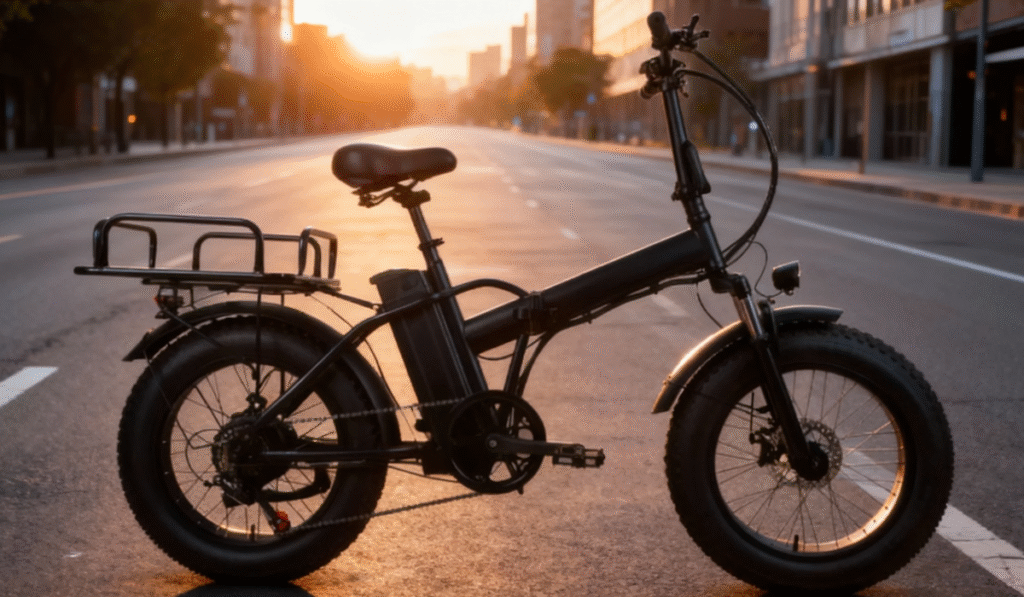
For multi-modal commuters, a folding ebike is a game-changer. You can ride to the train station, fold the bike, and board. On the road, they remain legal and capable. However, smaller wheels can react more harshly to potholes. Therefore, riders must remain vigilant scanning the road surface.
The Rugged Mountain Ebike
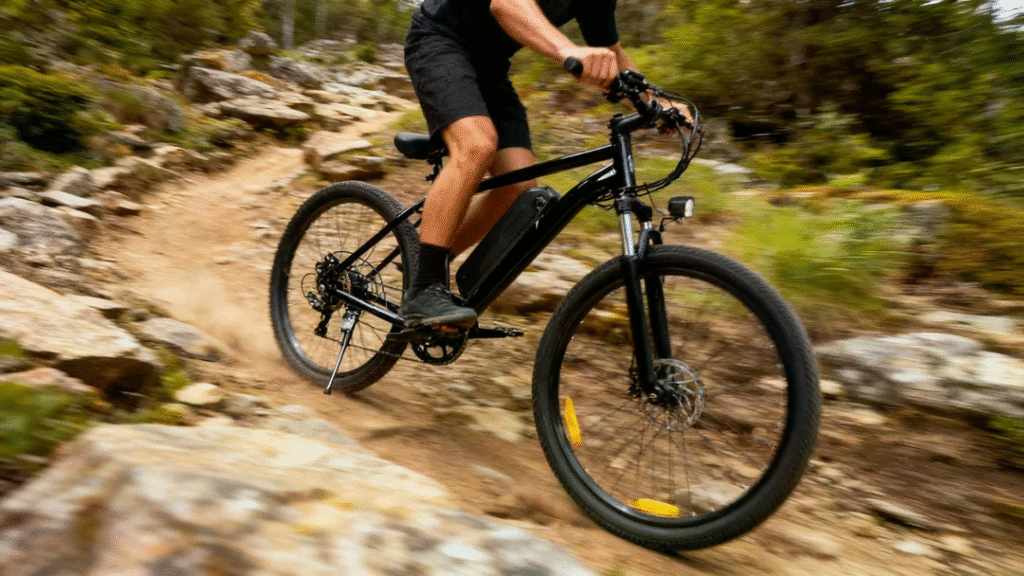
A mountain ebike is built for trails, featuring knobby tires and suspension. While legal on the road, the tires create extra drag and noise on pavement. If you plan to commute on one, consider swapping to hybrid tires. This adjustment improves battery range and handling on tarmac.
Legal Frameworks and Road Rights
Determining “can i ride a ebike on the road” involves more than just the bike’s hardware. It involves understanding traffic laws.
Where You Belong
In most jurisdictions, electric bicycles have the same rights and duties as traditional bicycles. You must ride in the same direction as traffic. Riding against traffic is illegal and highly dangerous.
When a bike lane is available, you are generally encouraged or required to use it. However, exceptions exist. If the lane is obstructed or you are turning left, you may merge into the main traffic lane. Furthermore, Class 3 bikes are sometimes prohibited from separated multi-use paths due to their higher speeds.
The Sidewalk Dilemma
Riding on sidewalks is a contentious issue. In many urban centers, adult cycling on sidewalks is illegal. It endangers pedestrians and creates liability for the rider. Even where legal, it is often slower and more dangerous at intersections. Cars turning out of driveways rarely look for fast-moving sidewalk traffic.
The Role of Infrastructure
Road design plays a pivotal role in safety. Protected bike lanes offer the highest security. Painted lanes offer visual separation but no physical barrier. Sharrows (shared lane markings) indicate that cyclists may use the full lane.
Unfortunately, infrastructure gaps remain common. You may find a bike lane suddenly ending, dumping you into mixed traffic. In these moments, confident lane positioning becomes your primary safety tool.
Benefits of Road Riding
Taking your electric bike onto the road offers substantial advantages over driving or public transit.
Efficiency and Speed
E-bikes flatten hills and shrink distances. You maintain a consistent speed regardless of traffic congestion. A city ebike often beats a car in rush hour simply by bypassing gridlock.
Environmental Impact
Replacing a car trip with an e-ride drastically reduces carbon emissions. It also reduces noise pollution. Cities become quieter and cleaner as more people adopt this mode of transport.
Health and Wellness
Even with a motor, you are moving. The pedal-assist system encourages you to ride longer and more frequently. It provides moderate cardiovascular exercise without leaving you drenched in sweat before a meeting.
Challenges and Safety Concerns
Despite the benefits, riding on the road presents real risks. Acknowledging these challenges is the first step toward mitigating them.
Visibility Issues
Drivers often underestimate the speed of an approaching e-bike. They see a bicycle and assume it is moving at 10 mph, not 20 mph. This miscalculation leads to cut-offs at intersections.
- Strategy: Always run daytime running lights. Wear high-visibility gear. Make eye contact with drivers whenever possible.
Speed Differentials
You are faster than a regular cyclist but slower than a car. This places you in a unique flux zone. Overtaking slower cyclists requires care. Simultaneously, you must manage aggressive drivers trying to pass you.
- Strategy: Take the lane when the road is too narrow to share side-by-side. It prevents drivers from squeezing past you dangerously.
Handling and Weight
E-bikes are heavy. A cargo ebike can weigh over 80 pounds unloaded. Stopping distances may increase, especially in wet weather.
- Strategy: Practice emergency stops in a safe lot. Ensure your hydraulic disc brakes are maintained regularly.
Practical Strategies for Road Riding
To answer “can i ride a ebike on the road” safely, adopt a defensive riding mindset.
The Primary Position
Ride about three feet from the curb. Hugging the gutter invites cars to pass too closely. It also leaves you no room to maneuver around glass or debris. By holding a steady line further out, you become more visible.
Signaling Intentions
Communication is vital. Use hand signals for turns and stops. Because e-bikes allow for higher speeds, give drivers more warning time before you make a move.
Interacting with Heavy Vehicles
Never pass a truck or bus on the right at an intersection. Large vehicles have massive blind spots. If they turn right, you could be crushed. Wait behind the vehicle, not beside it.
Future Trends in E-Mobility
The landscape of road riding is evolving.
Legislative Updates
Governments are scrambling to update laws. We may see stricter enforcement on unclassified fast electric bikes that function effectively as an unregistered motorbike. Conversely, incentives for purchasing e-bikes are increasing.
Infrastructure Expansion
Cities are reclaiming street space. “Complete Streets” initiatives prioritize safe zones for micro-mobility. This includes wider lanes to accommodate a cargo ebike or a tricycle.
Technology Integration
Future e-bikes may talk to cars. V2X (Vehicle-to-Everything) communication could warn a driver of your presence before they see you. This technology holds immense promise for reducing collisions.
Conclusion
So, can i ride a ebike on the road? Yes. In fact, for many trips, it is the smartest choice you can make. Whether you choose a compact folding ebike for the subway commute or a heavy-duty cargo ebike for school runs, the road is open to you.
However, this privilege comes with responsibility. You must understand the capabilities of your machine. You must respect traffic laws as if you were driving a car. By riding predictably, wearing proper safety gear, and choosing the right bike for your environment, you contribute to a safer, greener transportation future.
The road awaits. Equip yourself with knowledge, charge your battery, and ride with confidence.