
Unlocking Performance: Understanding the Ebike Speed Governor
The electric bicycle, or ebike, has rapidly become an essential tool for sustainable commuting, leisure riding, and last-mile delivery. It represents a potent blend of traditional cycling freedom and modern electric assistance. However, every mass-market ebike comes equipped with a speed limiter, a factory-set restriction that mandates the maximum speed at which the motor will provide pedal assistance. This mechanism, often referred to as a governor, is not an arbitrary design choice; rather, it is a crucial component designed to comply with specific regional traffic laws and safety regulations. In the United States, for instance, most consumer ebikes are classified into three distinct categories, with Class 1 and Class 2 models typically capped at 20mph and Class 3 models at 28mph.
Many ebike owners, especially those using their bikes in private settings or seeking enhanced performance for specific applications—such as navigating long, steep inclines or keeping pace on rural roads—inevitably ponder the question of how to get rid of speed limiter on ebike. The desire for higher speeds is a natural extension of the pursuit of peak performance. This discussion will delve deep into the technical methods available for modifying or removing this limiter, providing a clear and comprehensive overview of the process, while simultaneously emphasizing the paramount importance of legality, safety, and ethical responsibility in all modifications.

Navigating the Legal and Safety Landscape
Before any modification is considered, a fundamental understanding of the regulatory environment is absolutely essential. The speed limits imposed on ebikes are designed to keep cyclists, pedestrians, and motorists safe. Operating a modified ebike that exceeds the legal maximum speed on public roads fundamentally changes the vehicle’s legal classification, often placing it into the category of a moped or motorcycle. Consequently, the rider may be required to possess a license, registration, and insurance, and the machine itself may be subject to different equipment standards.
The Consequences of Non-Compliance
Ignoring these legal structures carries significant risks. Fines and the confiscation of the vehicle are potential consequences. More seriously, in the event of an accident, a non-compliant ebike may invalidate insurance coverage, leading to severe personal liability for the rider. Furthermore, from a manufacturing perspective, any modification to the speed limiter will inevitably void the manufacturer’s warranty. Therefore, the decision to modify the governor must be weighed against these profound legal and financial implications. The modifications discussed here are primarily intended for use on private property, off-road trails where higher speeds are explicitly permitted, or in regions with different legal frameworks.
Safety First: Technical Integrity
The speed limiter is also a safety device integrated into the ebike’s engineering. The other components—including the frame, brakes, battery management system (BMS), and tires—are meticulously rated for the factory-set maximum speed. By exceeding this speed, the structural integrity of the bicycle frame is placed under potentially undue stress. Crucially, the braking system, which is arguably the most critical safety feature, might not be designed to reliably and safely stop the bicycle and rider when traveling at significantly elevated speeds. Therefore, any modification must be accompanied by a thorough inspection and potential upgrade of the braking components, particularly moving to hydraulic disc brakes if they are not already installed.
Technical Avenues to Alter the Speed Limiter
The method for increasing the ebike’s maximum assisted speed is entirely dependent on the specific type of electronic system employed by the manufacturer. Generally, modification falls into three main categories, progressing from simple software tweaks to complex hardware changes.
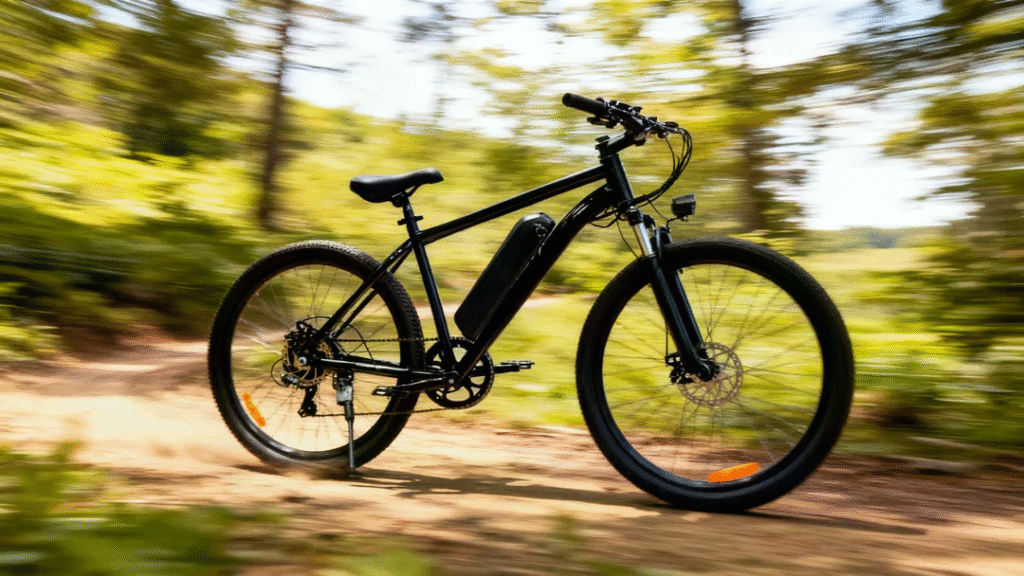
1. Software and Controller Reprogramming (The Easiest Path)
Many modern ebikes utilize sophisticated electronic controllers that allow the speed limit to be adjusted through the onboard display unit (HMI) or a proprietary companion application. This is often the simplest and least intrusive method.
- Display Settings Adjustment: On systems like those provided by Bosch, Shimano, or Bafang, a combination of button presses might grant access to an advanced menu. Within this service menu, the maximum wheel circumference setting or the top speed limit parameter (often labeled “Speed Set” or “Max Assist”) can sometimes be manually increased. For instance, inputting a smaller wheel size effectively tricks the system into thinking it is traveling slower than it truly is, thereby allowing the motor to continue assisting at a physically higher rate of speed. This method is often reversible and leaves no permanent trace.
- Controller Firmware Flashing: More advanced users with access to specialized cables and software can connect directly to the ebike’s motor controller (the ECU). The firmware, which is the internal operating system, can be overwritten or ‘flashed’ with a modified version that has a higher or non-existent speed limit. This process is generally reserved for systems where the manufacturer has not implemented robust encryption. However, this is a high-risk procedure that can permanently ‘brick’ or render the controller unusable if performed incorrectly.
2. Physical Electronic ‘Dongle’ Devices (The Interception Method)
For systems with highly locked-down firmware, specialized physical electronic devices—often referred to as ‘speed chips’ or ‘dongles’—have been developed. These devices do not reprogram the motor controller directly; instead, they operate by modifying the speed sensor’s signal before it reaches the controller.
- How They Work: The dongle is typically installed in line with the speed sensor cable, usually located near the wheel. When the ebike reaches the factory-set limit (e.g., 25km/h), the dongle electronically halves the signal. The controller, receiving a halved speed signal, continues to provide assistance until the bicycle’s true speed is double the displayed speed. For example, the display shows 25km/h while the rider is actually traveling at 50km/h.
- Drawbacks: While effective, this method distorts the displayed speed and often the mileage/odometer readings, making accurate tracking impossible. Furthermore, these dongles are easily detectable by authorized service centers during diagnostics, potentially leading to warranty invalidation. A key ethical consideration is that these devices are designed purely to bypass safety and legal restrictions.
3. Sensor Bypasses and Hardware Replacement (The Most Extreme Modification)
This category involves the most significant and irreversible changes to the ebike’s physical components.
- Relocating the Speed Sensor: A simple yet crude method is to move the speed sensor magnet from the wheel spokes to the crank arm. Since the crank arm rotates significantly slower than the wheel, the motor controller constantly receives a “low speed” signal, meaning the motor assistance never cuts out, regardless of the actual road speed. While the motor will assist up to its physical power and RPM limit, the displayed speed is wildly inaccurate, and the motor will be subjected to higher continuous loads.
- Replacing the Controller and Motor: In the most extreme cases, owners choose to completely replace the manufacturer’s integrated system—motor, controller, and display—with a high-performance, aftermarket kit that has no speed restrictions. This effectively turns the ebike into a custom-built electric vehicle. This approach allows for maximum performance gains but requires deep technical knowledge, significant financial investment, and completely nullifies all official certification and warranty. It is important to note that a robust, high-voltage battery system is often a necessary upgrade when pursuing this level of modification.
Focusing on Application and Ethical Use
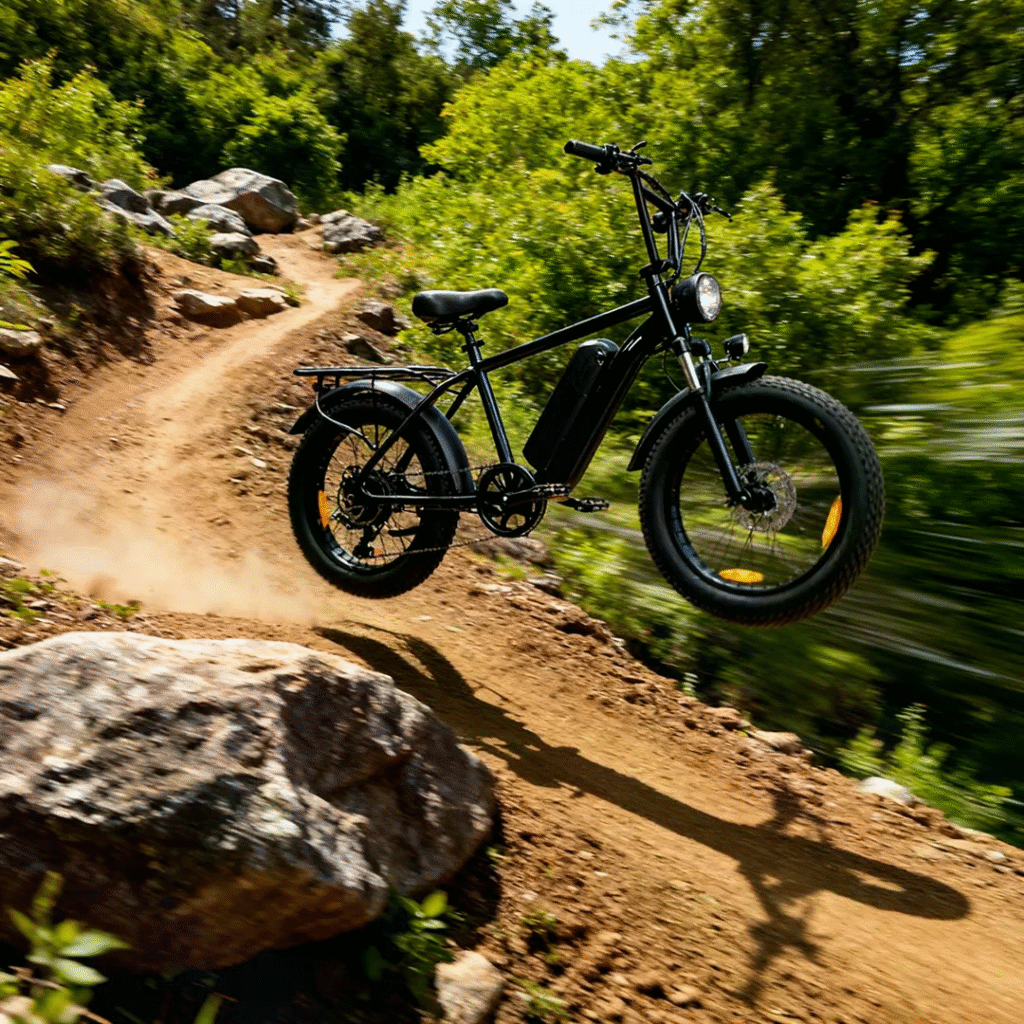
The applications for a de-restricted ebike are highly specific and primarily confined to non-public settings. For instance, competitive e-mountain bikers who race on private tracks might require higher speeds to manage obstacles effectively. Similarly, utility riders on expansive private properties, such as large farms or industrial complexes, may benefit from increased assisted speed to efficiently cover large distances. How to get rid of speed limiter on ebike should always be framed in the context of where the bike will be used.
For the vast majority of users who rely on their ebikes for urban commuting and recreation, the factory-set limit is usually sufficient and offers the best compromise between speed, safety, and legal compliance. Riders must maintain a sense of responsibility. Utilizing an overpowered ebike on multi-use pathways or shared cycling infrastructure poses a serious risk to others and can lead to backlash that results in stricter regulation for all ebike users. The electric bicycle is intended to be a silent, low-impact form of transport; this principle should always guide its use.
Final Considerations and Best Practices
In conclusion, the technical means to modify or remove an ebike’s speed limiter are readily available and vary in complexity and risk. However, the decision should not be purely technical; it must be ethical and legal.
- Know Your Laws: Before attempting any modification, riders must thoroughly investigate the specific ebike classifications and regulations in their jurisdiction. The law is dynamic, and it is the rider’s responsibility to stay informed.
- Prioritize Component Upgrades: If a speed increase is essential, the motor and controller modifications must be supported by necessary upgrades to the braking system, tires, and potentially the battery management system. The power output of the motor and the heat generated must also be carefully monitored to prevent catastrophic failure.
- Seek Professional Assistance: For complex firmware or hardware modifications, consultation or service from a specialized ebike technician is strongly recommended. Attempting advanced modifications without the appropriate tools and knowledge can be dangerous and costly.
Ultimately, the inherent value of an ebike lies in its accessibility and convenience. While performance enhancement is a valid pursuit, it should never come at the expense of safety or legal standing. The true power of the ebike is not simply its top speed but its ability to integrate seamlessly and sustainably into modern life.