
In the dynamic world of electric bicycles, performing your own maintenance, upgrades, or repairs is both satisfying and empowering. However, when it comes to replacing a wheel, upgrading your hub, or even converting a standard bicycle to an ebike, there is one crucial measurement that can make or break your project: the rear dropout spacing. For every ebike user, understanding how to measure rear drop out fork on ebike frames is a fundamental skill. This detailed guide will walk you through the process, ensuring you select the perfectly compatible components for your ride.
Understanding the Crucial Role of Ebike Rear Dropouts
The rear dropouts are the slots at the end of the bicycle’s frame, specifically on the chainstays and seatstays, where the rear axle rests and is secured. They are fundamental components that bear the entire weight of the rider, the wheel, and, critically, the powerful forces generated by an electric hub motor.
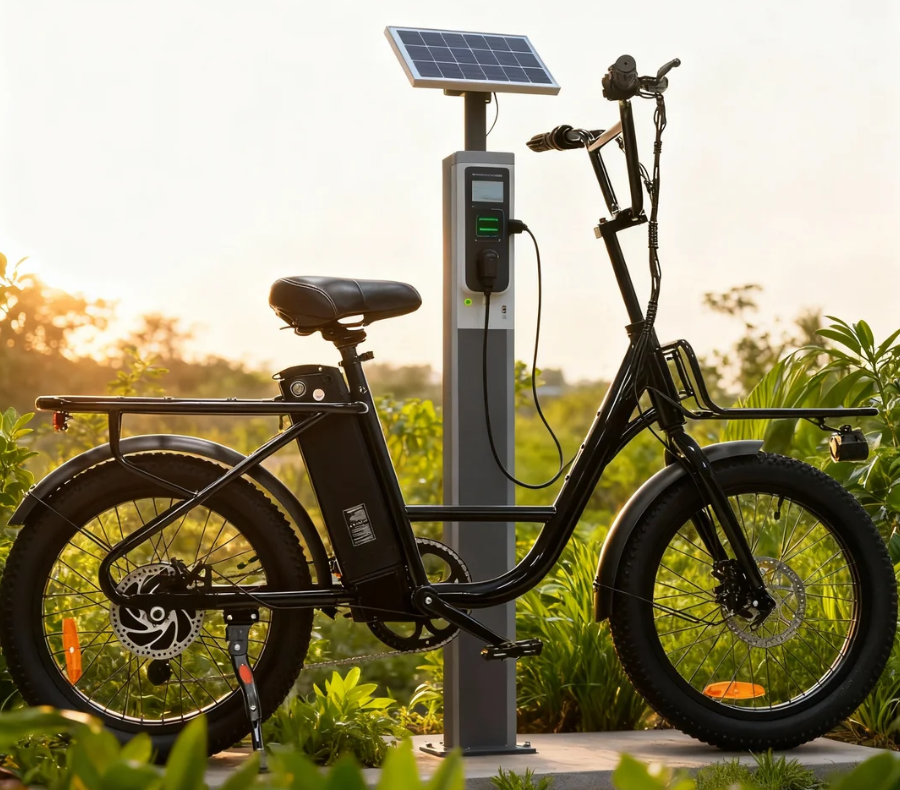
The Significance of Dropout Spacing for Ebike Users
For electric bicycles, this measurement is especially vital because ebike hub motors often have unique dimensions. Standard, non-electric bicycle rear spacing typically falls into common widths (like 130mm for road bikes or 135mm for older mountain bikes), but ebike hub motors—designed to handle extra torque and house internal components—frequently require wider spacings, such as 145mm, 155mm, or even wider. Therefore, when you are looking to install a new hub motor or purchase a replacement wheel, knowing how to measure rear drop out fork on ebike dimensions ensures mechanical compatibility and prevents potential frame damage. A proper fit is non-negotiable for safety and optimal performance.
Key Terminology: Dropout vs. Fork
While the question uses the term “rear dropout fork,” it is important to clarify terminology for accuracy. The “fork” refers to the part of the frame that holds the front wheel. The rear wheel is held by the dropouts located at the back of the frame. This article focuses specifically on the crucial rear dropout measurement, which determines the fit of the rear hub motor or wheel.
How to Measure Rear Drop Out Fork on Ebike: A Step-by-Step Guide
The process for correctly measuring your ebike’s rear dropout spacing is straightforward, provided you use the right tools and take care to measure between the correct points.
Required Tools
Before starting, ensure you have the following:
- A Metric Ruler or Tape Measure: This is the most common and accessible tool.
- Vernier Calipers (Recommended): For professional precision, calipers offer the most accurate measurement, especially for the dropout slot width itself.
- Your Ebike: The wheel must be removed for accurate measurement.
Step 1: Removing the Rear Wheel
First and foremost, the rear wheel must be removed from the frame. If your ebike has a geared hub motor, this may involve unplugging a motor cable; if it has a quick-release lever or axle nuts, ensure they are fully undone. Once the wheel is out, the dropouts will be empty, allowing for a clear measurement. Note: Always turn off the battery and disconnect it before working on any electrical components, especially hub motor cables.
Step 2: Measuring the Over Locknut Dimension (O.L.D.)
The O.L.D., or Over Locknut Dimension, is the most critical number and represents the spacing between the inner faces of the dropouts. This measurement determines the width of the hub that can be securely installed.
- Placement: Place the end of your ruler or tape measure flush against the inner face of the right-side dropout (the drive side, where the gears are).
- Measurement: Carefully extend the measure straight across to the inner face of the left-side dropout. Measure the internal distance between these two parallel surfaces.
- Recording: The number you get, usually in millimeters (mm), is your rear dropout O.L.D. Common ebike O.L.D.s include 135mm, 145mm, 155mm, and 170mm (for fat tire ebikes). If you are between common sizes, double-check your measurement and consider potential slight “springing” of the frame, although this is less common with robust ebike frames.
Step 3: Measuring the Dropout Slot Width (Axle Diameter)
While the O.L.D. tells you how wide the hub needs to be, you must also know the width of the slot where the axle itself sits. This measurement ensures the axle fits properly.
- Caliper Use: Use vernier calipers to measure the open slot width. Place the jaws of the caliper inside the slot on one of the dropouts.
- Standard vs. Ebike: Standard quick-release axles are often 9mm or 10mm. However, ebike hub motor axles are typically thicker, often 12mm, 14mm, or even larger, to handle the increased torque without slippage or damage.
- Recording: Note this measurement down. A hub motor’s axle diameter must perfectly match the dropout slot width for a secure fit.

Practical Application for Ebike Maintenance and Upgrades
Understanding how to measure rear drop out fork on ebike dimensions is not merely academic; it has significant practical implications for maintaining and enhancing your electric ride.
Selecting the Right Hub Motor
For those converting a bike or replacing a failed motor, the O.L.D. measurement is paramount. A motor that is too wide will require you to dangerously “cold set” or stretch the frame—a practice strongly discouraged, especially on aluminum or carbon fiber ebike frames. A motor that is too narrow will require spacers, which can compromise the axle’s engagement with the frame and potentially lead to slippage, particularly under the high torque of an ebike motor.
Ensuring Wheel and Axle Compatibility
The dropout slot width (axle diameter) is equally important. An ebike’s performance and safety rely heavily on the secure connection between the motor axle and the frame. The robust power delivery, coupled with heavy braking, places significant stress on the dropouts. Therefore, the axle must sit perfectly flush within the dropout slot, utilizing appropriate axle washers and anti-rotation torque arms if required by the manufacturer. Ebike users should always prioritize the use of high-quality components and accessories that match their specifications.
The Importance of Torque Arms
A crucial consideration for all hub motor ebikes is the installation of torque arms. These are specialized components that lock onto the axle and bolt to the frame or fork, preventing the high rotational forces of the motor from twisting and damaging the dropouts. While not a part of the measurement itself, the dropout area is where they attach, making the condition and strength of the dropout critical for their effective use.
Benefits of Accurate Ebike Measurement
Taking the time to accurately complete this measurement provides a multitude of advantages:
- Saves Time and Money: Ordering a motor or wheel with the wrong O.L.D. leads to costly returns, delays, and frustration. Precision from the start prevents these headaches.
- Enhances Safety: A perfectly fitted hub or wheel is a secure hub or wheel. Correct spacing eliminates wobble and minimizes the risk of component failure while riding.
- Maintains Frame Integrity: Avoiding the need to forcibly squeeze or stretch the frame ensures your ebike’s frame remains strong and undamaged, preserving its structural integrity and warranty.
- Optimizes Performance: Components that fit correctly work as intended, ensuring smooth power delivery and consistent handling, which contributes to an overall superior ebike experience.
In conclusion, for any ebike owner looking to delve into the technical side of their ride, mastering how to measure rear drop out fork on ebike dimensions is an indispensable first step. The health and longevity of your electric bicycle depend on it.