
Have you ever wondered if there’s a simple yet powerful way to transform your electric biking experience? For many e-bike enthusiasts seeking more performance, longer range, and a noticeable boost in hill-climbing capability, the answer often lies in upgrading to a 52V ebike battery. This higher-voltage system is fast becoming a popular choice among serious riders, representing a sweet spot between standard 48V systems and more specialized, higher-voltage setups. Understanding its nuances, however, is crucial before making the switch, especially concerning compatibility with your existing e-bike components. Ultimately, choosing a 52V ebike battery is a strategic decision tailored to enhance the core utility and excitement of your electric bicycle application.
Unpacking the 52V Ebike Battery Phenomenon
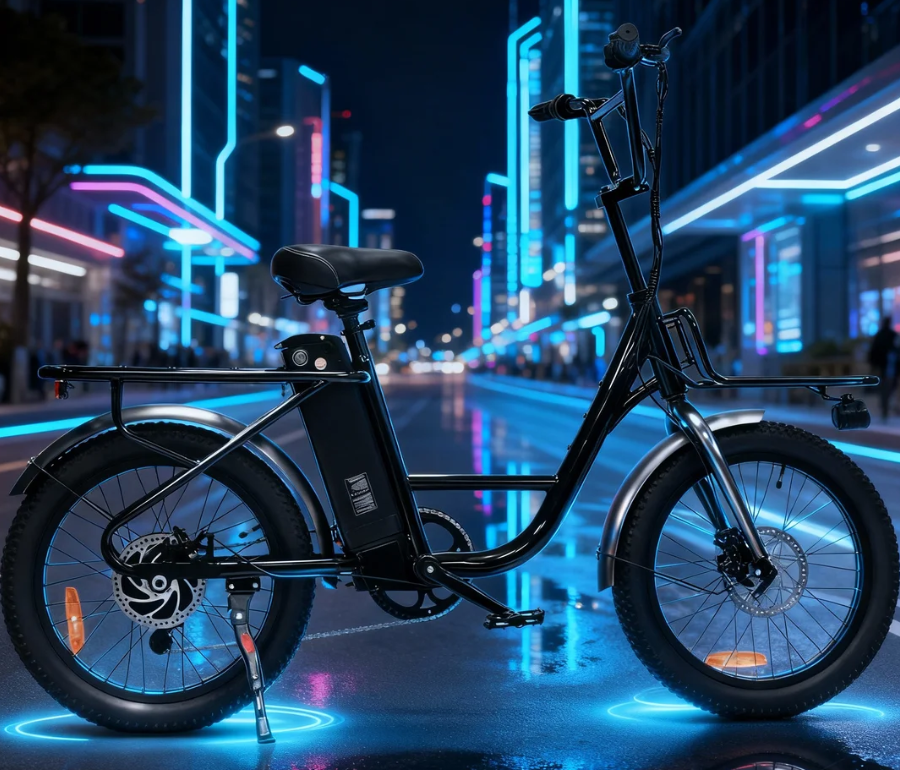
The core difference between a 48V and a 52V ebike battery lies in the nominal voltage. A higher voltage, specifically 52V, directly translates to a few key performance metrics that significantly impact the rider. Principally, a 52V system is capable of delivering more power with the same or even lower current draw compared to a 48V system. This inherent efficiency advantage allows the motor to operate with less heat generation, potentially prolonging its lifespan and improving overall system stability. Furthermore, this voltage increase doesn’t just offer a marginal improvement; it often provides a tangible “punch” that riders feel immediately, particularly during acceleration or when tackling challenging inclines.
The Science Behind the Power Boost
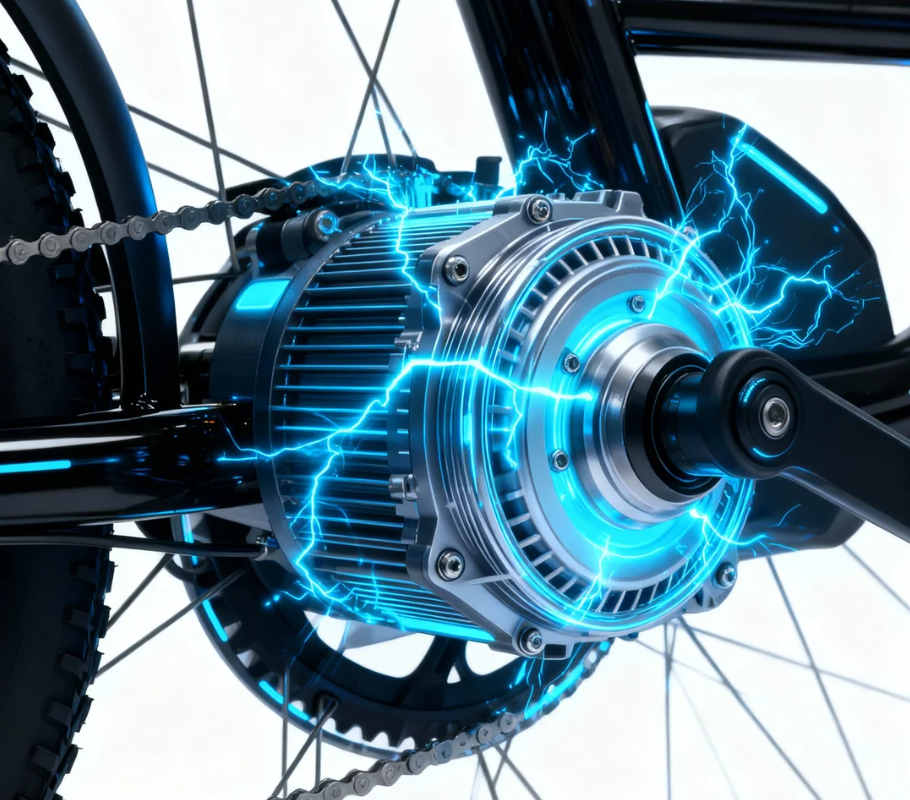
In electrical terms, power (P) is the product of voltage (V) and current (I), or P = V \times I. By increasing the voltage from 48V to 52V, the system can achieve a higher power output (P) for a given current (I). For the user, this translates to faster acceleration and the ability to maintain higher speeds more effortlessly. Moreover, a 52V ebike battery typically maintains a higher voltage for a longer portion of its discharge cycle. This is a subtle yet critically important advantage, ensuring that the motor performance remains robust and consistent, right up until the battery is nearly depleted, thereby offering a more reliable riding experience over extended journeys. This consistency of performance is a highly valued trait for daily commuters and long-distance touring cyclists alike.
Distinctive Features and Advantages for E-Bike Users
The benefits of integrating a 52V ebike battery are multifaceted, providing practical value directly to the user’s application. These advantages extend beyond mere speed, fundamentally improving the utility and enjoyment of the electric bicycle.
Superior Range and Efficiency
Perhaps the most sought-after benefit of the 52V ebike battery is the potential for increased range. While a small increase in nominal voltage, it provides more stored energy (watt-hours) for the motor to consume, given the amp-hour (Ah) rating remains the same. More importantly, operating at a higher voltage means the motor and controller run more efficiently, as less current is required to achieve the same power output. This reduction in current minimizes resistive losses (heat) in the wiring and components. Therefore, a larger percentage of the stored energy is effectively converted into mechanical motion, allowing the user to travel further on a single charge. This enhanced efficiency is a game-changer for lengthy commutes or adventurous trail riding, significantly reducing “range anxiety.”
Unmatched Torque and Hill-Climbing Ability
For riders living in hilly terrain or those carrying heavy loads, the increased torque provided by a 52V ebike battery is invaluable. The higher voltage allows the motor to generate a greater amount of rotational force, making steep ascents significantly easier and less taxing on both the motor and the rider. Instead of struggling up a gradient, the e-bike maintains momentum more effectively, offering a smoother and more powerful response. This characteristic is particularly appealing for cargo e-bikes and heavy-duty commuters, where reliability in demanding situations is paramount. The difference in performance is often described by riders as “effortless” climbing.
Enhanced Battery Longevity
Counterintuitively, upgrading to a higher-voltage battery can also contribute to a longer lifespan for the entire electric system. Because the motor draws less current to produce the same power, both the battery cells and the motor are subject to less strain. Lower current draw equals less heat generation, and excessive heat is one of the primary culprits in component degradation. By operating within a more comfortable thermal window, the individual cells within the 52V ebike battery and the e-bike’s motor can potentially last longer and maintain their capacity more effectively over hundreds of charge cycles. This represents a significant long-term value for the user.
Essential Considerations for a Seamless Upgrade
While the benefits are clear, transitioning to a 52V ebike battery requires careful consideration of component compatibility. A seamless and safe upgrade hinges on ensuring that all existing electronic components can handle the increased voltage.
Controller and Motor Compatibility
The electric bicycle’s controller is the most critical component, as it regulates the flow of power to the motor. If the current controller is only rated for a maximum of 50V, plugging in a fully charged 52V ebike battery (which can peak at approximately 58.8V) could damage it. Therefore, before purchasing, users must confirm that their motor controller is explicitly rated for 52V operation or has a high enough voltage cut-off (e.g., 60V or higher). Most reputable e-bike manufacturers and aftermarket sellers provide clear specifications regarding this compatibility.
Charger and Display Requirements
Naturally, a 52V ebike battery requires a dedicated 52V charger; a 48V charger will not fully charge the pack. Using the correct charger is non-negotiable for safety and to maintain the battery’s health. Furthermore, many e-bike displays are programmed to show an accurate state-of-charge based on the voltage curve of a 48V battery. When a 52V battery is used with a 48V-calibrated display, the remaining capacity percentage may be inaccurate. An ideal upgrade includes a 52V-compatible display unit that accurately reflects the battery’s voltage and capacity for precise ride planning.
The Right Fit: Who Benefits Most from a 52V Ebike Battery?
The decision to invest in a 52V ebike battery should align with the user’s specific application and riding style.
- The Commuter: For those with long, daily commutes, particularly in areas with challenging hills, the extra range and reliable power output of the 52V system translate directly into a faster, less strenuous, and more reliable journey.
- The Performance Enthusiast: Riders who enjoy pushing the limits of their e-bike’s speed and acceleration on trails will appreciate the immediate surge in power and torque that this voltage upgrade provides.
- The Heavy-Duty Rider: Individuals using their e-bikes for hauling cargo, food delivery, or transporting children benefit immensely from the enhanced power necessary to move heavier loads safely and efficiently.
In conclusion, the 52V ebike battery is more than just a minor upgrade; it’s a performance-enhancing component that significantly elevates the capability and reliability of an electric bicycle. By offering superior efficiency, greater power delivery, and potentially longer component life, it delivers substantial, practical value, ensuring that your e-bike is always ready to meet the demands of your ride. Provided that compatibility checks are diligently performed, this upgrade is a worthwhile investment for any serious e-bike user looking to truly maximize their electric cycling experience.