
The landscape of urban transportation is undergoing a rapid, necessary evolution. As cities become increasingly congested and the imperative for sustainable living grows stronger, traditional commuting methods are proving to be inefficient and environmentally burdensome. Amidst this transition, a quiet revolution is taking place on two wheels: the rise of the electric bicycle. Are e-bikes merely a passing trend, or are they the definitive answer to the challenges of future city travel? This deep dive explores how e-bikes are fundamentally changing the way millions approach their daily commute, offering a powerful blend of efficiency, sustainability, and accessibility.
The Inevitable Shift: Why Traditional Commuting is Failing
For decades, the private automobile has dominated urban transit. However, this model is becoming unsustainable. Traffic congestion has reached crisis levels in most major metropolitan areas, leading to billions of hours lost annually and substantial economic costs. Simultaneously, the focus on reducing carbon emissions has put the internal combustion engine squarely in the spotlight. Commuters are actively seeking alternatives that are not only faster and more reliable but also align with a commitment to environmental stewardship.
The core problem for many is the “last mile” or “first mile” dilemma—the distance between a transit hub and the final destination. This is where the e-bike provides a unique and compelling solution, bridging gaps that are too long to walk comfortably but too short or congested for a car.
Redefining the Commute: The Core Value Proposition of Electric Bicycles
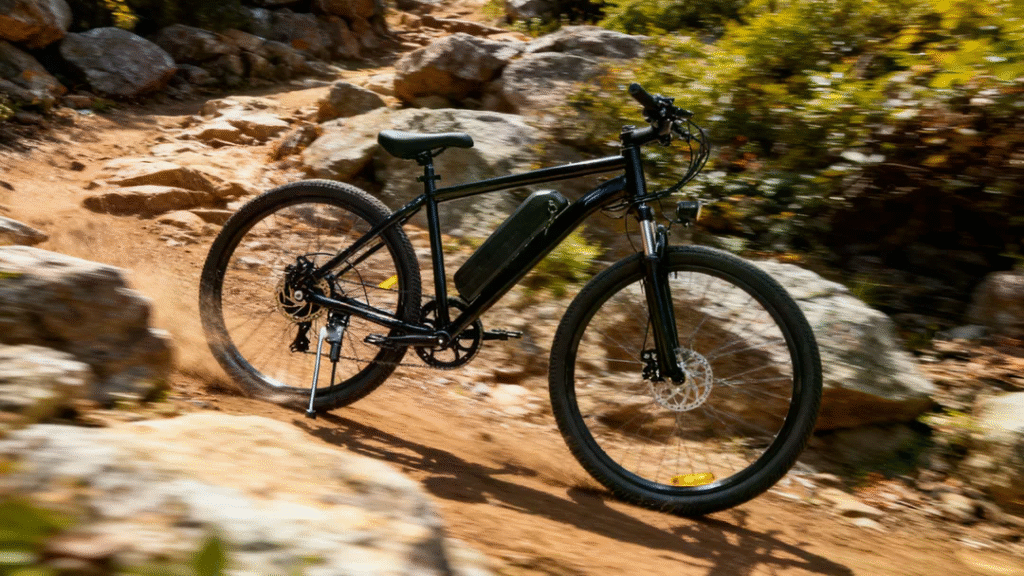
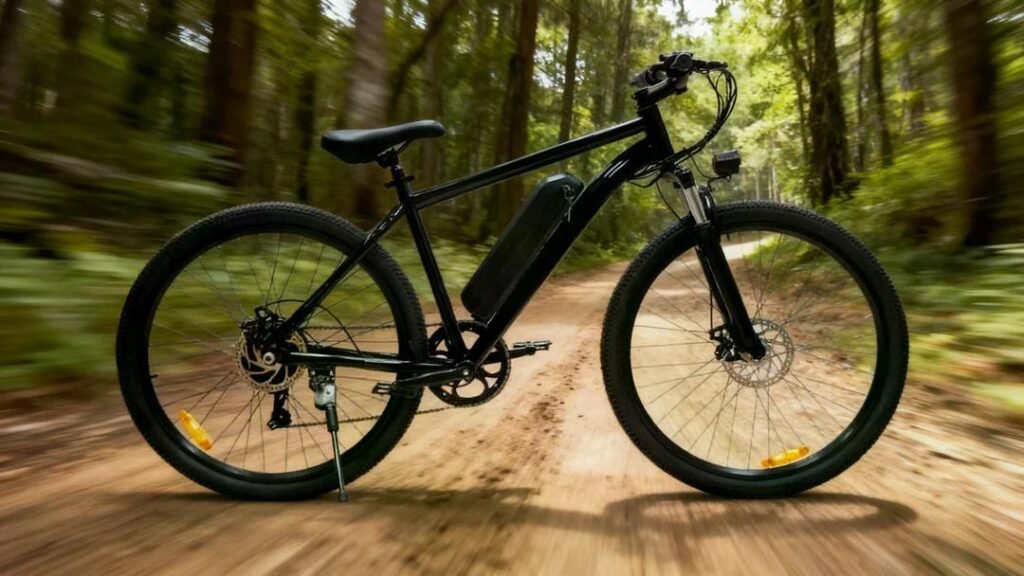
Electric bicycles, like those offered by DC Power E-Bikes, are not simply traditional bicycles with a motor; they represent an entirely new category of personal transport. Their increasing adoption is driven by several key features that directly address modern commuting pain points.

E-Bikes as a Time and Stress Management Tool
One of the most immediate benefits for the commuter is the predictable travel time an e-bike offers. While cars are subject to the whims of traffic jams, e-bikes can utilize dedicated bike lanes, paths, and often, secondary routes inaccessible to four-wheeled vehicles. The pedal-assist function, or the throttle (depending on class), allows riders to maintain higher average speeds with minimal physical strain, ensuring they arrive at work energized, not exhausted.
- Average Speed Advantage: E-bike riders can easily maintain speeds around $15-20 \text{ mph}$, significantly faster than rush-hour vehicle traffic in many downtown cores.
- Consistent Travel Time: Knowing a 5-mile trip will consistently take 20 minutes, regardless of traffic volume, reduces the anxiety and stress associated with unpredictable driving delays.
The Power of the Assist: Eliminating Commuting Barriers
The electric motor is the great equalizer of the e-bike, making cycling accessible to a much broader demographic. Steep hills, long distances, and the need to carry cargo—traditional deterrents to cycling—are effectively neutralized. This is crucial for urban environments, where topography or the need to carry a laptop bag and lunch often discouraged all but the fittest cyclists.
The motor provides an intuitive boost, allowing the rider to select their desired level of effort. For long commutes, this means a professional can arrive without excessive perspiration, a common fear that previously deterred work commuters. Furthermore, this accessibility extends to older riders or those with minor physical limitations, democratizing active transportation.
Driving Sustainable Urban Development
The shift towards e-bike usage has profound implications for the physical and environmental shape of future cities. This mode of transportation aligns perfectly with the principles of smart and green urban planning.
Reducing the Carbon Footprint of Daily Travel
Compared to conventional vehicles, the environmental impact of an e-bike is drastically lower. The energy required to move one person on an e-bike is a mere fraction of what is needed for a car, even an electric one. While manufacturing processes are a factor, the operational emissions are zero, contributing directly to improved air quality in densely populated areas.
The adoption of e-bikes decreases the demand for fossil fuels and reduces the need for the extensive energy infrastructure required for electric cars. This scalable, low-impact solution is vital for meeting global climate targets.
Reclaiming City Space: Infrastructure and Density
City planning has historically been dominated by the automobile, resulting in vast spaces dedicated to roads, parking lots, and multi-story garages. E-bikes fundamentally change the spatial requirements of transport.
- Parking Efficiency: A single car parking space can typically accommodate 8-10 e-bikes. This efficiency allows cities to repurpose valuable urban land for parks, housing, or businesses rather than car storage.
- Infrastructure Needs: E-bike lanes are narrower, require less disruptive construction, and are less costly to implement than new road infrastructure or mass transit lines, making them an excellent investment for rapidly growing cities.
Navigating the Ecosystem: Integration and Safety for the E-Bike Commuter
As e-bikes proliferate, they must be seamlessly integrated into the existing urban transportation network. For the user, understanding best practices for riding and maintenance is crucial for a safe and enjoyable experience.
The Importance of E-Bike Infrastructure and Policy
The success of e-bikes depends heavily on supportive municipal policy. Cities that invest in protected bike lanes, secure locking facilities, and clear traffic laws see the highest adoption rates. A protected lane provides the necessary psychological and physical safety barrier that encourages new users to make the switch. Commuters benefit from clear regulations defining where e-bikes can and cannot be ridden, ensuring harmony with pedestrians and traditional cyclists.
Battery Technology and Range Anxiety
Modern e-bike technology has largely overcome the initial fear of running out of power, often called “range anxiety.” Today’s high-density lithium-ion batteries, like those in DC Power E-Bikes, routinely offer ranges of 40–80 miles per charge, far exceeding the average daily urban round-trip commute of around 10–15 miles.
- Charging Convenience: Batteries are often removable, allowing them to be charged easily at a desk or in a home, making the process as simple as plugging in a laptop. The energy cost per mile is negligible compared to any motorized vehicle.
Safety and Visibility on the Road
Due to their increased speed and quiet operation, e-bike riders must prioritize visibility and defensive riding. Using quality lights, wearing reflective gear, and anticipating the movements of vehicles and pedestrians are essential safety practices. A well-maintained e-bike, with properly functioning brakes and tires, is a prerequisite for reliable daily commuting.
Looking Ahead: E-Bikes and the Future of Mobility
The momentum behind electric bicycles is undeniable. They are not just supplementing city travel; they are poised to become the primary personal transportation method in dense urban areas across the globe.
The future will likely see further technological convergence. E-bikes will become smarter, integrated with navigation and safety sensors, and potentially part of broader Mobility-as-a-Service (MaaS) platforms. They offer a template for a system that values human scale, environmental responsibility, and efficient movement.
In conclusion, the question is not if e-bikes will reshape the future of urban commuting, but how profoundly. By offering an effective solution to congestion, pollution, and the high costs of vehicle ownership, the electric bicycle is empowering millions of commuters to take control of their travel time, improve their personal well-being, and actively participate in creating more livable, sustainable cities. The simple act of choosing an e-bike is a significant step towards a greener, less stressful urban future.