
In recent years, electric bicycles have surged in popularity worldwide, fundamentally changing how people commute and recreate. This trend reflects the perfect synergy of technology and personal transport. However, for riders who yearn to explore further and conquer diverse terrains, standard ebikes often fall short of these demanding requirements.
Consequently, Cross Country Ebikes—specifically designed for long journeys and multi-day expeditions—have emerged. They combine the sense of freedom of a traditional bicycle with the convenience of motor assistance. This article aims to provide a comprehensive guide, helping readers understand the definition, core features, purchasing criteria, and maintenance techniques for these high-performance electric bikes, allowing you to confidently choose, use, and master your next long-distance tour.
What Are Cross Country Ebikes
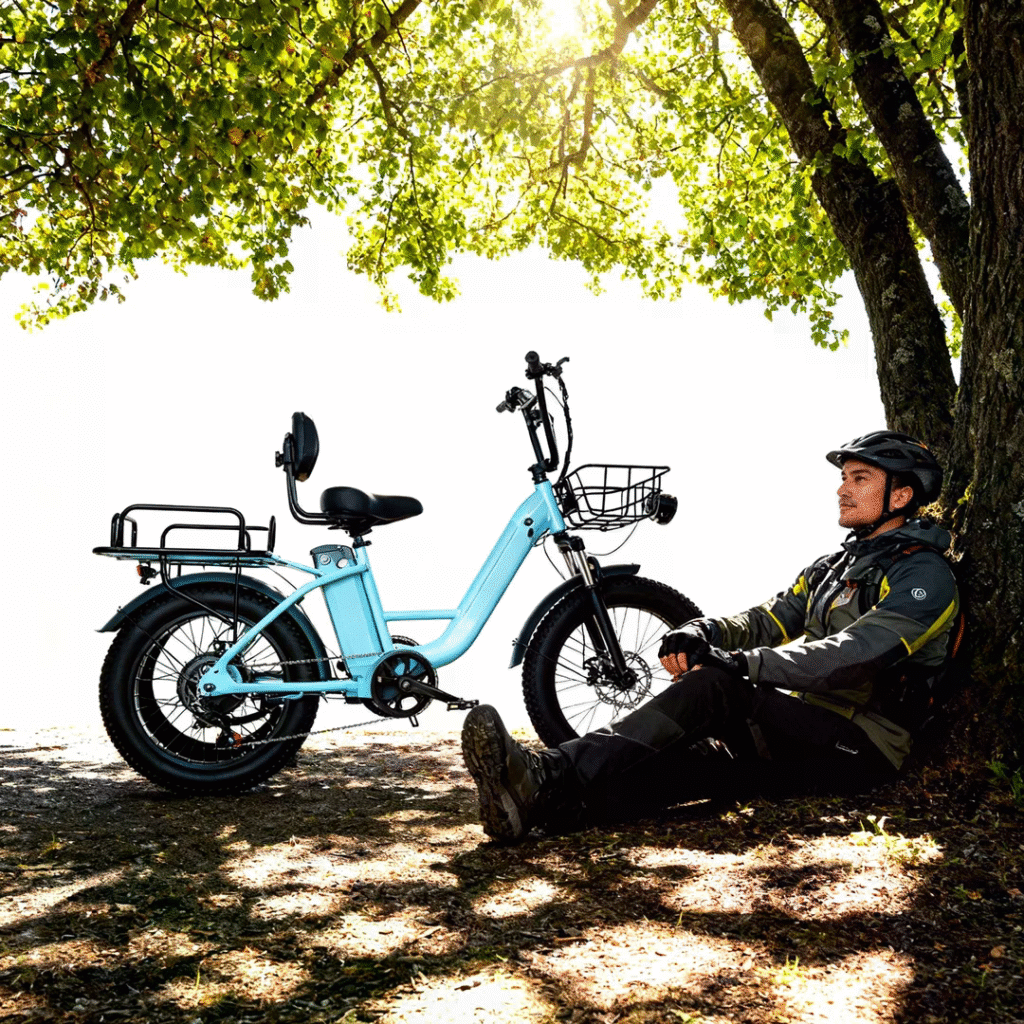
A Cross Country Ebike, as the name suggests, is an electric-assist bicycle engineered specifically for long-distance riding and varying terrains (including paved roads, gravel paths, dirt tracks, and light off-road trails). They are essentially the “explorers” and “endurance athletes” of the ebike family.
Distinctions from Standard Bikes
These bikes fundamentally differ from urban commuter ebikes or pure mountain bikes. Urban ebikes focus on daily short commutes and do not require extensive range or complex terrain adaptation. Mountain ebikes focus on extreme off-roading but typically do not need exceptionally long range.
The core differences of Cross Country Ebikes are:
- Larger Battery Capacity: They must support single rides of tens or even hundreds of kilometers, which is critical for remote travel.
- Stronger Motor Power / Higher Torque: This ensures stable and powerful assist when carrying luggage or tackling steep slopes.
- More Durable Frame Design: They utilize robust materials and geometric structures to withstand long-duration, high-intensity riding challenges.
- Common Uses: Their ideal applications include long-distance adventure touring, traversing rural roads, multi-day bike camping, and any remote ride that requires crossing different topographies.
Key Features of Cross Country Ebikes
Cross Country Ebikes are capable of handling rigorous, long-haul tasks because their key components have been optimized.
Battery and Range Capability
The foundation of long-distance riding is the power supply. These ebikes are typically equipped with high-capacity lithium batteries, often ranging from 500Wh to 1000Wh or even higher. For instance, a 750Wh battery can provide a range exceeding 100 kilometers under ideal conditions. Furthermore, riders need to balance charging time and range. Therefore, many models support fast charging technology and allow for the addition of extra range-extender battery packs. In addition, skillful management of assist modes is a key technique for extending range.
Motor Performance
The motor is the most important source of “assist” during long rides. Mainstream cross country ebike motors typically range from 250W to 750W. However, the more crucial indicator is torque. High-torque motors (e.g., 80Nm and above) significantly enhance climbing ability and performance when starting with a heavy load. Nevertheless, power and speed restrictions for ebikes vary by country and region, so always ensure compliance with local regulations during selection.
Frame and Suspension System
The frame design must balance lightweight construction with durability. Aluminum alloy and carbon fiber are common materials. Adventure riding often involves complex road conditions; consequently, most cross country ebikes are equipped with front and rear suspension (full-suspension or hardtail). A full-suspension system provides better comfort and handling, especially on rough terrain.
Tires and Braking System
To adapt to all-terrain challenges, from asphalt to dirt roads, they are fitted with durable, high-traction all-terrain tires, usually featuring wider treads and deeper patterns. Moreover, due to faster speeds and heavier weights, disc brakes (hydraulic or mechanical) are standard. They provide superior stopping power and reliability, ensuring safety even in wet conditions.
Additional Features
Modern Cross Country Ebikes also feature various smart functions. For example, high-resolution displays monitor speed, battery level, and remaining range; multi-level electric assist modes (Eco, Tour, Turbo) can be switched as needed. Additionally, many brands offer smart app support, making it convenient for riders to log routes, navigate, and set up anti-theft features.
Guide to Choosing a Cross Country Ebike
Selecting the right cross country ebike requires careful consideration of your riding habits, destination, and budget.
Define Riding Needs and Budget
You need to clearly define your riding goal. Is it for daily commuting combined with long weekend rides? Or is it for adventure tourism, planning to traverse remote areas? For instance, adventure touring demands higher battery capacity and a sturdier frame, naturally resulting in a higher budget. Generally, the price range for these high-quality ebikes is substantial, spanning from $3,000 to over $8,000.
Battery and Range Considerations
Range is the lifeline of a long journey. If you plan to ride in areas with sparse charging facilities, choosing a battery capacity of 750Wh or higher, or even considering a dual-battery system, is advisable. However, higher capacity batteries mean increased weight. Therefore, you must find the optimal balance between route length and bike weight. If reliable charging stations are available along the way, a moderate-capacity battery paired with efficient management might be lighter and more convenient.
Motor and Speed Requirements
Motor performance should match your riding environment. If your route is mostly flat roads, a model with moderate torque will suffice. But if it involves significant climbing or heavy loads, furthermore, a powerful, high-torque motor exceeding 85Nm will be the better choice. Also, pay attention to the motor type; a mid-drive motor typically offers a more natural and efficient assist feel than a hub-drive motor, making it ideal for long-distance riding.
Frame Size and Ergonomics
Riding comfort directly impacts the long-haul experience. Selecting the correct frame size is crucial. Consult the manufacturer’s size chart based on your height and inseam. In addition, pay attention to the relative positions of the handlebars, saddle, and pedals (ergonomics). Many long-haul models offer more adjustability, ensuring you can dial in the most suitable posture for long-distance riding, preventing fatigue and injury.
Additional Accessories and Features
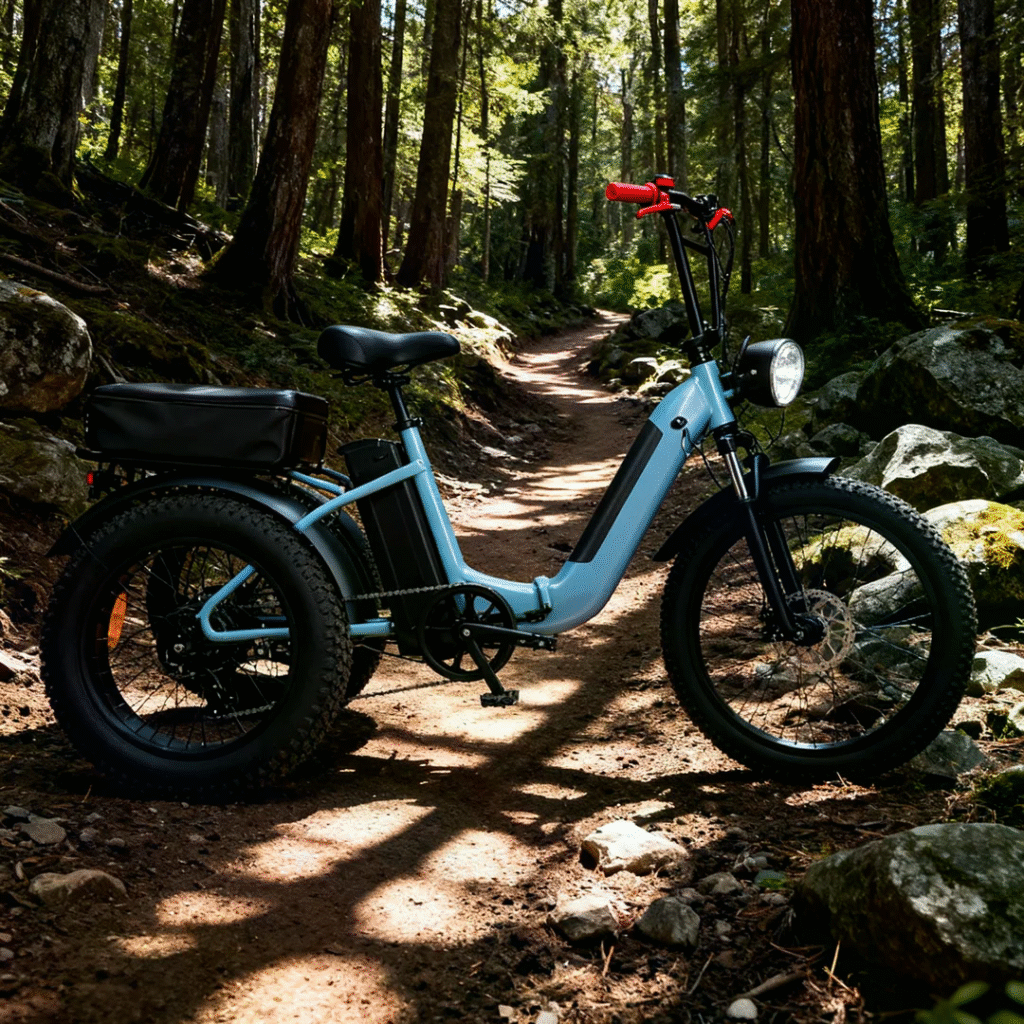
High-quality lights are essential for night riding; a sturdy pannier rack is necessary for carrying camping gear or supplies; and reliable fenders are indispensable for riding in the rain. Moreover, you might consider smart features like GPS tracking or anti-theft locks to enhance security.
Advantages and Disadvantages of Cross Country Ebikes
Before deciding whether to invest in a Cross Country Ebike, it is vital to fully understand its pros and cons.
Advantages
- Easier Long-Distance Riding: Motor assistance effectively offsets the physical strain caused by wind resistance, hills, and heavy loads, allowing you to easily handle longer distances and times.
- Adaptable to Various Terrains: Thanks to the robust frame, efficient suspension, and all-terrain tires, these ebikes can effortlessly traverse cities, gravel paths, and mountain trails.
- Eco-Friendly and High Travel Freedom: Compared to fuel-powered vehicles, ebikes are greener. Furthermore, they are not limited by petrol stations, requiring only a power source for charging, which greatly increases travel freedom and flexibility.
Disadvantages
- Higher Price Point: Due to the use of high-capacity batteries, high-torque motors, and advanced durable components, cross country ebikes are usually significantly more expensive than standard bicycles or entry-level ebikes.
- Higher Maintenance Costs: The battery and motor are core and expensive components; if they fail or need replacement, the repair costs are relatively high.
- Heavier Weight, Inconvenient to Carry: The battery and robust frame make these ebikes heavy (often exceeding 20 kg). Consequently, carrying and maneuvering them can be inconvenient when needing to lift, climb stairs, or use public transport.
Usage Tips for Cross Country Ebikes
Correct usage and maintenance ensure your Cross Country Ebike safely and efficiently accompanies you on every journey.
Range Management
Effectively managing battery power is critical during long rides. Firstly, try to use the lowest assist mode (Eco) on flat or downhill sections, saving the high-assist mode (Turbo) for steep climbs or emergencies. Secondly, strategically plan rest stops and incorporate charging stations, cafes, or hotels that support charging into your route planning to ensure the battery is always topped up. For example, use your lunch break for a quick top-up charge.
Long-Distance Riding Safety Precautions
Safety always comes first. Therefore, always wear professional riding gear such as a helmet, gloves, and protective eyewear. Moreover, to ensure safety during night riding, your ebike should be equipped with high-brightness front and rear lights and reflective gear. When riding in the rain, reduce your speed and apply brakes earlier, as wet surfaces decrease braking performance.
Maintenance and Care
Regular inspection and maintenance are crucial for guaranteeing the lifespan of your bicycle.
- Brakes: Regularly check the wear of brake pads and the condition of the hydraulic fluid.
- Chain/Drivetrain: Keep the chain clean and lubricated to ensure smooth shifting.
- Tires: Check the tire pressure against the manufacturer’s recommendation and inspect the tread for cuts or embedded debris.
Battery Storage and Charging Tips
Correct battery storage is vital for longevity. However, avoid storing the battery completely drained or fully charged for long periods; the ideal long-term storage level is approximately 50% to 70%. In addition, always use the original charger and ensure charging takes place in a ventilated, dry environment to prevent overheating.

Future Trends for Cross Country Ebikes
The Cross Country Ebike market continues to evolve and innovate.
Firstly, battery technology will continue to advance. We anticipate higher energy density batteries in the future. Consequently, range will significantly increase without adding weight, substantially alleviating “range anxiety.” Furthermore, fast charging technology will become standard.
Secondly, smart and connectivity features will become more prevalent. Vehicle diagnostics, GPS anti-theft, remote locking, and intelligent modes that automatically adjust assist levels based on terrain will become industry norms. Moreover, future frames will trend toward lighter, more aerodynamic designs, while the application of new materials will further enhance overall durability and comfort.
Conclusion
The Cross Country Ebike is the ideal companion for modern adventure travel. It offers riders unparalleled freedom thanks to its strong range capability, multi-terrain adaptability, and reliable assist. Therefore, carefully select the most suitable model based on your specific needs and budget. Furthermore, always prioritize safe riding and adhere to regular maintenance to ensure your adventure journey is both enjoyable and secure. If you’d like to delve into more detail on specific brands or accessories, I’d be happy to provide further links or in-depth analysis.