
The rise of the electric bicycle, or ebike, represents a significant shift in personal transportation. No longer a niche product, the modern ebike offers an accessible and sustainable solution for daily commutes, adventurous trails, and even heavy-duty hauling. Understanding the nuances between the various designs is crucial for anyone considering this exciting mode of travel. What are the different types of ebikes available on the market, and how do their specific features cater to distinct riders and unique applications? This exploration delves into the design and functionality of the most prominent ebike categories, illustrating how each model is engineered to excel in its designated environment.
Engineered for Utility: The Cargo Ebike
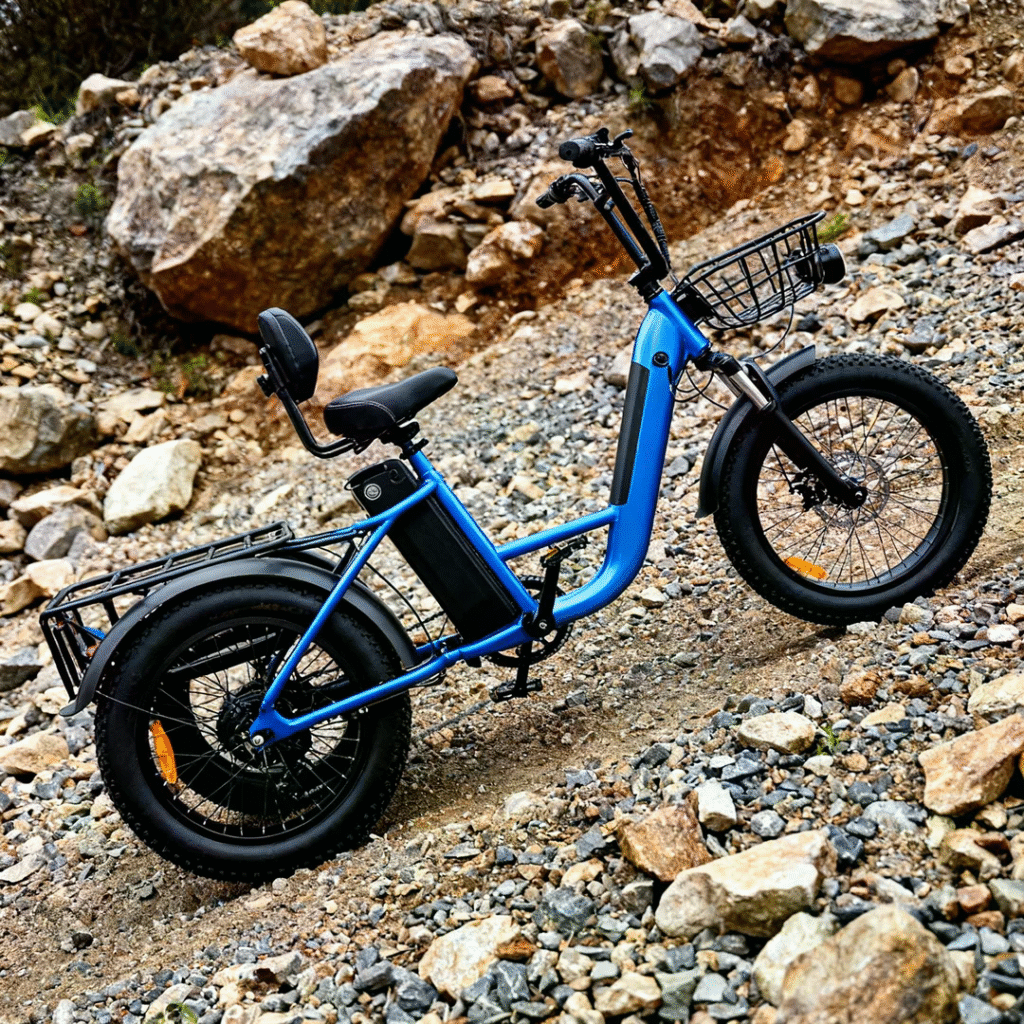
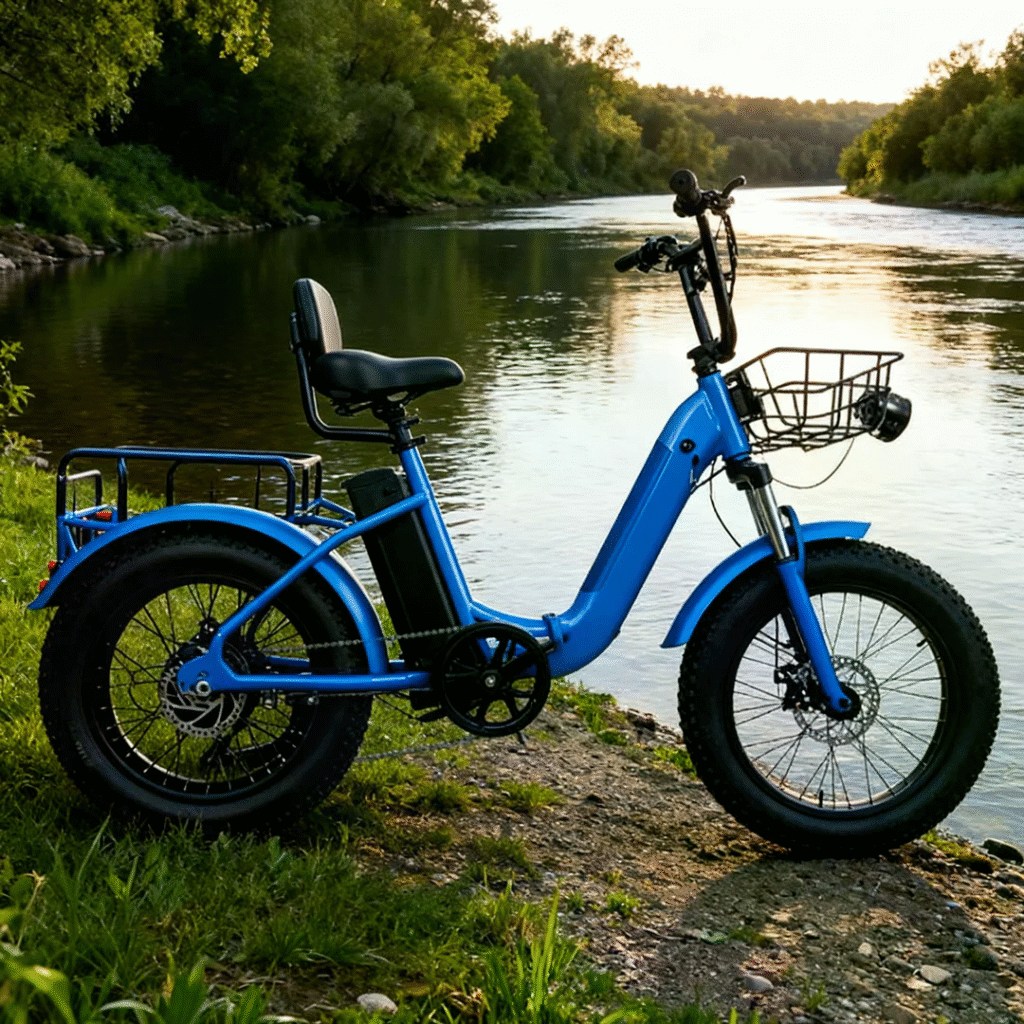
The cargo ebike is essentially the pickup truck of the bicycle world. This category is specifically designed to handle substantial loads, offering a viable, low-emission alternative to cars or vans for transporting goods, groceries, or, most commonly, children. The defining characteristic of a cargo ebike is its extended frame and reinforced structure, which supports large carrying platforms.
Long-Tail and Front-Load Designs
Cargo ebikes typically fall into two main designs: the long-tail and the front-load (or “box bike”). The long-tail features an extended rear rack capable of holding significant weight, often accommodating multiple child seats or large panniers. Conversely, the front-load, or bakfiets, places the cargo area—a large bin or box—between the handlebars and the front wheel. This design maintains a low center of gravity, which greatly improves stability and handling, particularly when carrying heavy or bulky items. These bikes are becoming invaluable for small businesses making local deliveries and for families managing busy schedules, showcasing their practicality in urban logistics. They demonstrate that personal transport doesn’t have to be a bulky affair.
The Urban Navigator: City and Commuter Ebikes
For the daily grind of navigating congested streets, the city ebike and commuter ebike are expertly tailored. These models prioritize comfort, visibility, and ease of use in an urban environment. Their application is straightforward: to transform the daily commute from a frustrating obligation into an enjoyable, sweat-free experience.
Focus on Comfort and Reliability
City ebikes typically feature a step-through frame for easy mounting and dismounting, which is essential when making frequent stops. They often incorporate upright riding positions, which enhance rider visibility and comfort over longer rides. Furthermore, components are chosen for durability and minimal maintenance, frequently including internal gear hubs and integrated lights and fenders. The application of a city ebike is to replace short car trips, reduce reliance on public transport, and provide a reliable, efficient way to get to work or run errands. The integration of the motor is seamless, providing assistance that flattens hills and conquers headwinds, ensuring that arrival is timely and effortless.
Conquering the Terrain: The Mountain Ebike (eMTB)
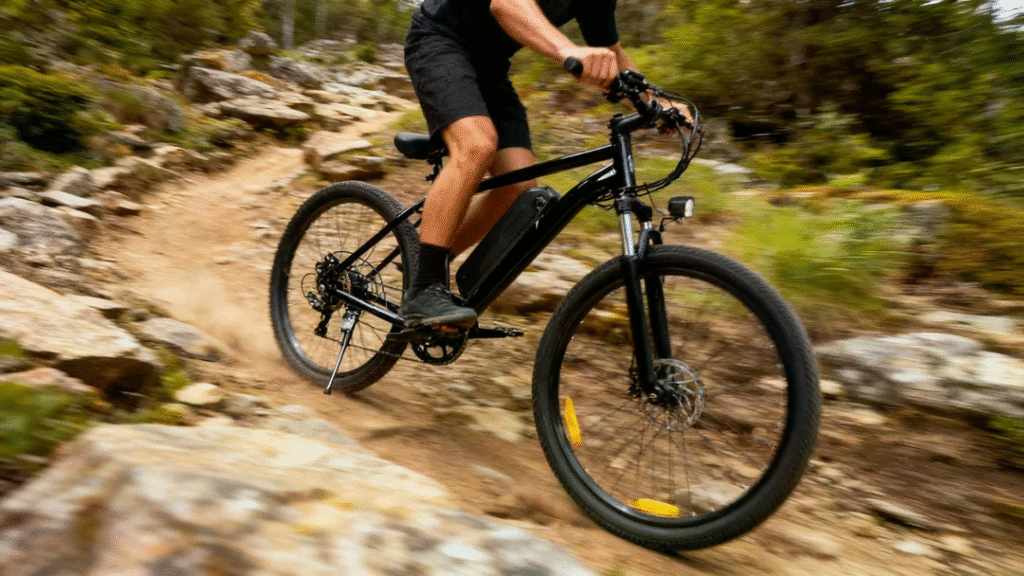
When the pavement ends and the trail begins, the mountain ebike, or eMTB, is the undisputed champion. These bikes are built for rugged, off-road conditions, leveraging electric power to ascend steep climbs and extend the duration and distance of an adventure. Their application is purely recreational and performance-driven, opening up more challenging trails to riders of all fitness levels.
Specialized Suspension and Motor Placement
Unlike their pedal-only counterparts, eMTBs must manage the added weight and stress of the motor and battery. They feature robust, full-suspension systems and durable, aggressive tires designed to maintain traction on loose and uneven surfaces. The motor is almost universally a powerful mid-drive unit, strategically placed low in the frame to preserve the bike’s center of gravity and handling characteristics. This careful engineering ensures that the bike remains maneuverable and responsive, even in technical sections. The capability of a mountain ebike lies in its ability to smooth out the difficult parts of the trail, allowing riders to focus on skill and enjoyment rather than pure exhaustion.
Compact and Convenient: The Folding Ebike
Where space is at a premium, the folding ebike emerges as the perfect compact solution. The application of this ebike is centered around multimodal commuting and storage convenience, making it ideal for apartment dwellers, boat owners, or individuals who combine cycling with trains and buses.
Seamless Integration into Commuting
The ability of a folding ebike to collapse into a fraction of its operational size is its defining feature. While the folding mechanism requires some structural compromises, modern designs retain a surprising level of ride quality. They are often equipped with smaller wheels (20 inches or less) to facilitate a more compact fold. The primary use of this model is the ‘last mile’ problem—bridging the gap between a public transit stop and the final destination. It is easily carried onto a train, stored beneath a desk, or placed in a car trunk, offering unparalleled flexibility. This convenience underscores a growing demand for transport options that adapt to a complex, multi-stage urban journey.
The Crossover Segment: Motorrad and Scooter Style Ebikes
The line between a powerful ebike and a low-speed electric moped is often blurred by models categorized as motorbike-style ebikes or scooters. It is essential to note that while these devices offer an appealing aesthetic and high power output, their legal classification depends heavily on local regulations, particularly concerning top speed and motor wattage.
Power and Practicality
Motorbike-style ebikes often feature larger tires, powerful batteries, and motorcycle-inspired aesthetics, giving them a commanding presence. Their application is often for riders seeking a feeling closer to that of a motorcycle or scooter, capable of maintaining higher average speeds with minimal pedaling effort. Similarly, scooter-style ebikes offer a platform for a more relaxed, seated ride without the need for constant pedaling. When assessing these options, the critical value proposition for the user is the blend of high-performance electric propulsion with the potential benefits of bicycle registration and use, though this must always be verified against regional traffic laws. These types of ebikes fill a gap for riders who need more power and speed than a traditional pedal-assist bike can offer.
Finding the Perfect Match for Your Needs
The diverse ecosystem of electric bicycles demonstrates that there is a specialized design for virtually every mobility requirement. From the heavy-duty utility of a cargo ebike, essential for sustainable family transport, to the robust capabilities of a mountain ebike designed for rugged escapism, each category serves a distinct and valuable purpose. The city ebike simplifies the daily routine, while the folding ebike provides crucial versatility. By understanding the core application and engineering focus of each type, consumers can make an informed decision, selecting an ebike that not only meets their needs but also enhances their daily life. The correct valuation of a personal mobility choice is found in its utility and how effectively it solves a specific transportation challenge. Ultimately, embracing the right type of electric bike is a commitment to a more efficient, enjoyable, and sustainable future.