
The world of cycling has undergone a transformative revolution, and at the heart of this change sits the mountain ebike. More than just a traditional bicycle with a motor bolted on, these specialized machines represent a fundamental shift in how we approach off-road terrain. If you’re a product user or an enthusiast considering this significant investment, a vital question remains: Are mountain ebikes truly worth the price tag, and what practical value do they offer to the modern rider?
This in-depth guide will analyze the introduction and key features of electric mountain bikes, explore their applications across various riding styles, and highlight the distinct advantages they bring to the trails. We aim to provide clear, actionable insights for current and prospective owners, firmly establishing the unique position these bikes hold in the active lifestyle and outdoor adventure market.
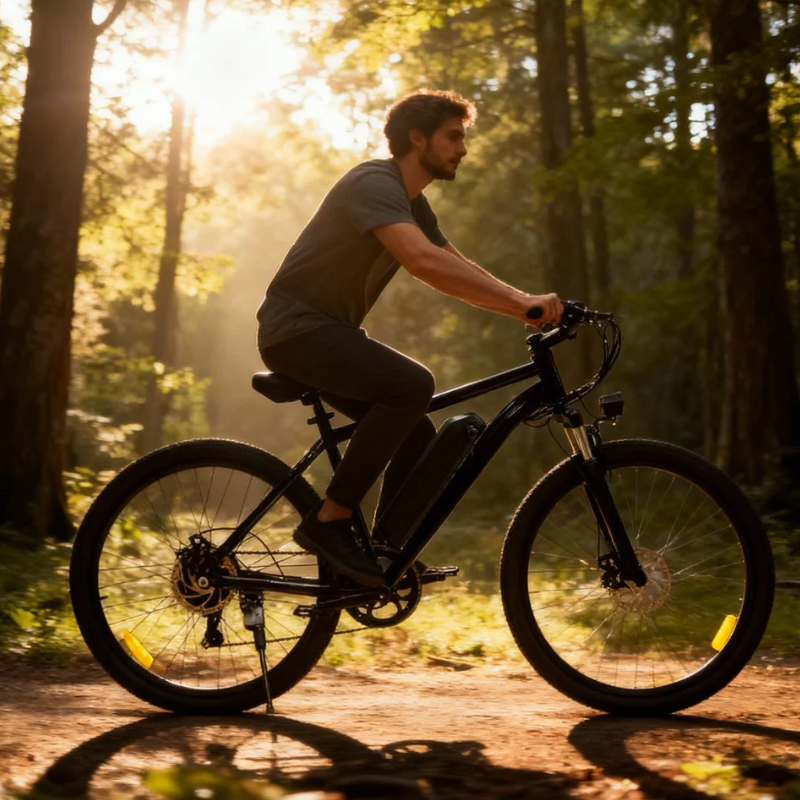
Unpacking the Mountain Ebike: Introduction and Core Technology
A mountain ebike, or eMTB, is purpose-built to handle rugged trails, rocks, roots, and steep ascents, all while incorporating an electric pedal-assist system. This system is what differentiates it from a conventional mountain bike. The electric motor doesn’t operate like a motorcycle; instead, it provides assistance only when the rider is pedaling, effectively amplifying human effort. This pedal-assist, often categorized into different levels (Eco, Trail, Boost), is regulated by sophisticated sensors that measure the rider’s torque, speed, and cadence, resulting in a remarkably intuitive and natural feel.
The core technology lies in three main components:
- The Motor: Typically a mid-drive motor (positioned in the crank area) is favored in high-end mountain ebikes. This placement keeps the center of gravity low and central, which is crucial for maintaining the bike’s renowned handling and stability on technical terrain.
- The Battery: Modern eMTBs utilize high-capacity lithium-ion batteries, often seamlessly integrated into the downtube of the frame for protection and aesthetics. Battery size is measured in watt-hours (Wh) and directly correlates with the bike’s range, ensuring riders can tackle extensive loops or multiple laps without range anxiety.
- The Controller: This is the bike’s ‘brain,’ managing the power delivery, monitoring battery status, and communicating data to the handlebar-mounted display. Sophisticated algorithms ensure that the power assist is delivered smoothly and immediately, which is essential for safely navigating unexpected trail features.
Therefore, the integration of these features means a mountain ebike is designed not to replace your effort, but to maximize your trail time and expand your riding potential.
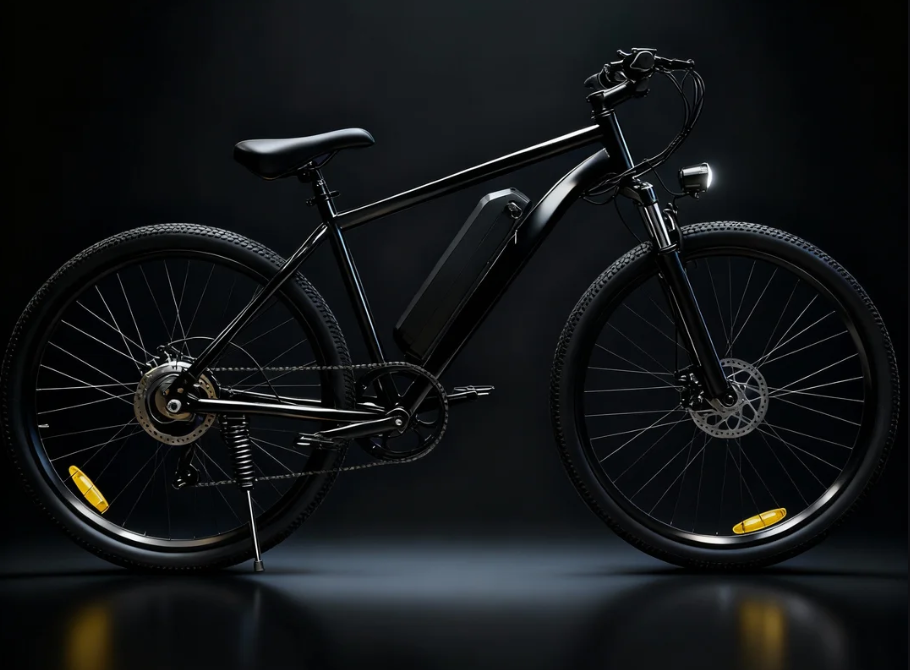
Key Features That Define Electric Mountain Bike Performance
The distinct advantages of a mountain ebike stem from its powerful and considered componentry, specifically adapted for the demands of electrified off-road use. Understanding these features helps riders appreciate the engineering that goes into these machines.
Robust Frame and Suspension Geometry
Unlike road ebikes, eMTBs feature reinforced frames, often utilizing high-grade aluminum or carbon fiber, to handle the additional weight and torque of the motor system, as well as the inevitable impacts of trail riding. The geometry is often slightly slacker (less steep head tube angle) than traditional mountain bikes. This design, when combined with the low center of gravity afforded by the mid-drive motor, results in superior stability and confidence on fast descents and challenging drops. Full-suspension models, which are overwhelmingly preferred in the eMTB market, are engineered with kinematics optimized for the higher speeds and weight, offering impressive traction and comfort.
Enhanced Braking and Drivetrain Systems
Given the increased speed and overall system weight, braking is a critical safety consideration. Nearly all quality mountain ebikes come equipped with powerful four-piston hydraulic disc brakes and larger rotors (typically 200mm). This combination provides the exceptional stopping power needed to control speed effectively on long, steep descents. Furthermore, the drivetrain components, such as the chain and cassette, are often built with increased durability to withstand the higher forces transferred through the motor system, ensuring reliability miles from the trailhead.
The Power of Assist Customization
The true brilliance for the user lies in the dynamic power settings. Riders can toggle between modes to conserve battery on flatter sections or unleash maximum torque to conquer formidable, seemingly impossible climbs. This intelligent power management allows riders of varying fitness levels to ride together, dramatically changing the social dynamic of group rides and enabling access to remote, stunning locations that might have previously been unreachable.
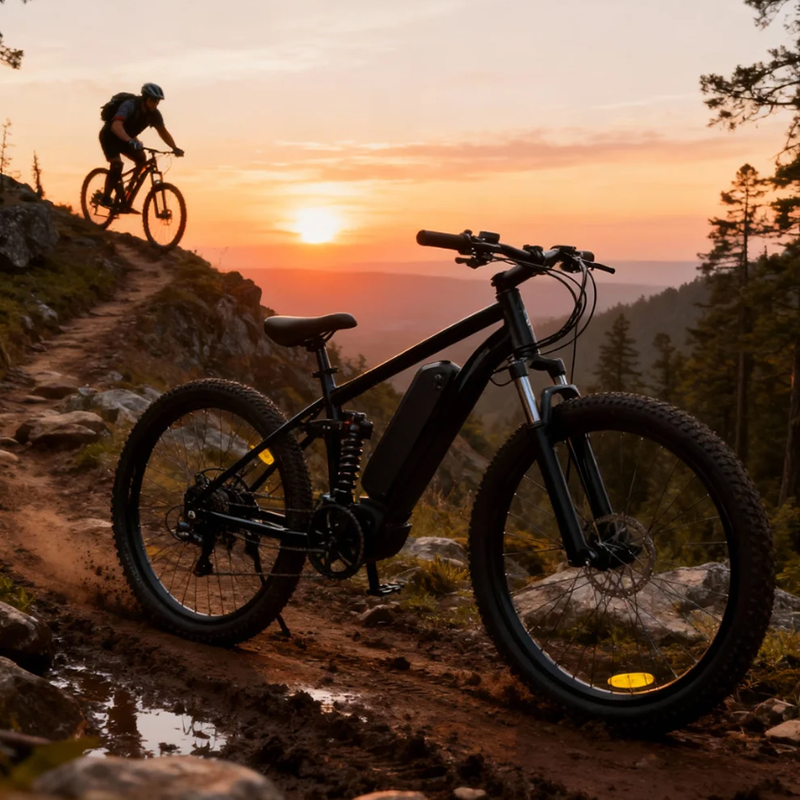
The Application of Electric Power: Who Benefits and Why?
The application of a mountain ebike extends far beyond simple transportation; it is about extending the human experience on the trail. The practical value is evident across multiple user segments.
The Time-Constrained Professional
For individuals with limited time, eMTBs are invaluable. They allow a rider to pack a more intense, longer workout into a shorter window. The electric assist removes the need for a protracted, grueling warm-up, enabling riders to reach the fun, technical trails on the summit much faster. This efficiency ensures that a meaningful outdoor experience can be consistently fitted into a busy schedule, enhancing both physical and mental well-being.
The Fitness and Rehabilitation Rider
Mountain ebikes are revolutionary for riders seeking to manage or return from injury. The adjustable assistance allows for low-impact exercise, enabling users to control their exertion level precisely. A rider can maintain their strength and cardio fitness without overburdening joints or risking re-injury, making the return to full-capacity riding a gradual and positive journey. This application aligns perfectly with a correct, sustainable values framework centered on lifelong physical activity.
The Adventure and Exploration Enthusiast
For those who view the trail as a gateway to exploration, eMTBs unlock a world of possibilities. They significantly extend the effective range of a ride, allowing for multi-hour backcountry adventures where distance and elevation gain are no longer limiting factors. The power to effortlessly climb allows riders to conserve energy for navigating the technical aspects of an unknown trail, ensuring that the focus remains on the experience and the view, not just the climb. This extended capability fosters a deeper connection with nature and promotes a responsible appreciation of the outdoors.
The Investment Analysis: Realizing the Worth
Considering the advanced engineering, integrated technology, and specialized components, the price point of a quality mountain ebike is naturally higher than its traditional counterpart. However, the value proposition is compelling when framed against the resulting utility and experience.
The cost is offset by the dramatically increased ride frequency and the ability to ride in a wider range of conditions and with diverse groups. For many riders, the eMTB replaces the need for shuttles or chairlifts, allowing for more downhill laps in a day—a significant saving over time. Ultimately, the mountain ebike is not just a bicycle; it is an adventure platform that maximizes enjoyment, democratizes challenging trails, and supports a healthier, more active lifestyle for a broader population of riders. The worth is found in the expanded trail access and the consistent, high-quality outdoor experience it delivers.
Frequently Asked Questions
Q1: Is a mountain ebike harder on the trails than a regular mountain bike?
A: No. While they are heavier, modern mountain ebikes are designed with traction and suspension in mind. Responsible trail riding practices remain the same regardless of the bike type. Many trail advocacy groups now recognize eMTBs as a valuable, low-impact tool for accessing trails, and they are generally permitted wherever regular mountain bikes are allowed (always check local regulations).
Q2: How long does the battery last on a mountain ebike?
A: Battery range varies widely based on terrain, rider weight, assist mode usage, and battery size (Wh). Generally, riders can expect anywhere from 3 to 5 hours of mixed-mode trail riding, or roughly 20 to 40 miles with significant elevation gain. Careful use of the “Eco” mode dramatically extends this range for longer epic rides.
Q3: Do I still get a good workout on a mountain ebike?
A: Absolutely. The motor assists your pedaling; it doesn’t do all the work. Studies show that eMTB riding still keeps riders firmly within the moderate-to-vigorous exercise intensity zones. You still burn calories, build endurance, and improve cardiovascular health—you just get to cover more ground and climb steeper hills than you would otherwise.