
The landscape of personal transportation is rapidly evolving, and at the forefront of this change is the electric bicycle, or e-bike. Among the diverse options available, the folding e-bike stands out as a uniquely versatile solution, especially for those navigating the complexities of modern urban living and dynamic travel. The fundamental question for many potential riders isn’t just what an e-bike is, but whether this highly portable machine can genuinely integrate into and improve their daily routines, making it a valuable investment. This article dives deep into the practical applications and inherent advantages of the folding e-bike, offering a comprehensive guide to help you determine if it’s the ideal fit for your specific commuting needs and lifestyle aspirations.
The Core Appeal: What Makes the Folding E-Bike an Urban Champion?
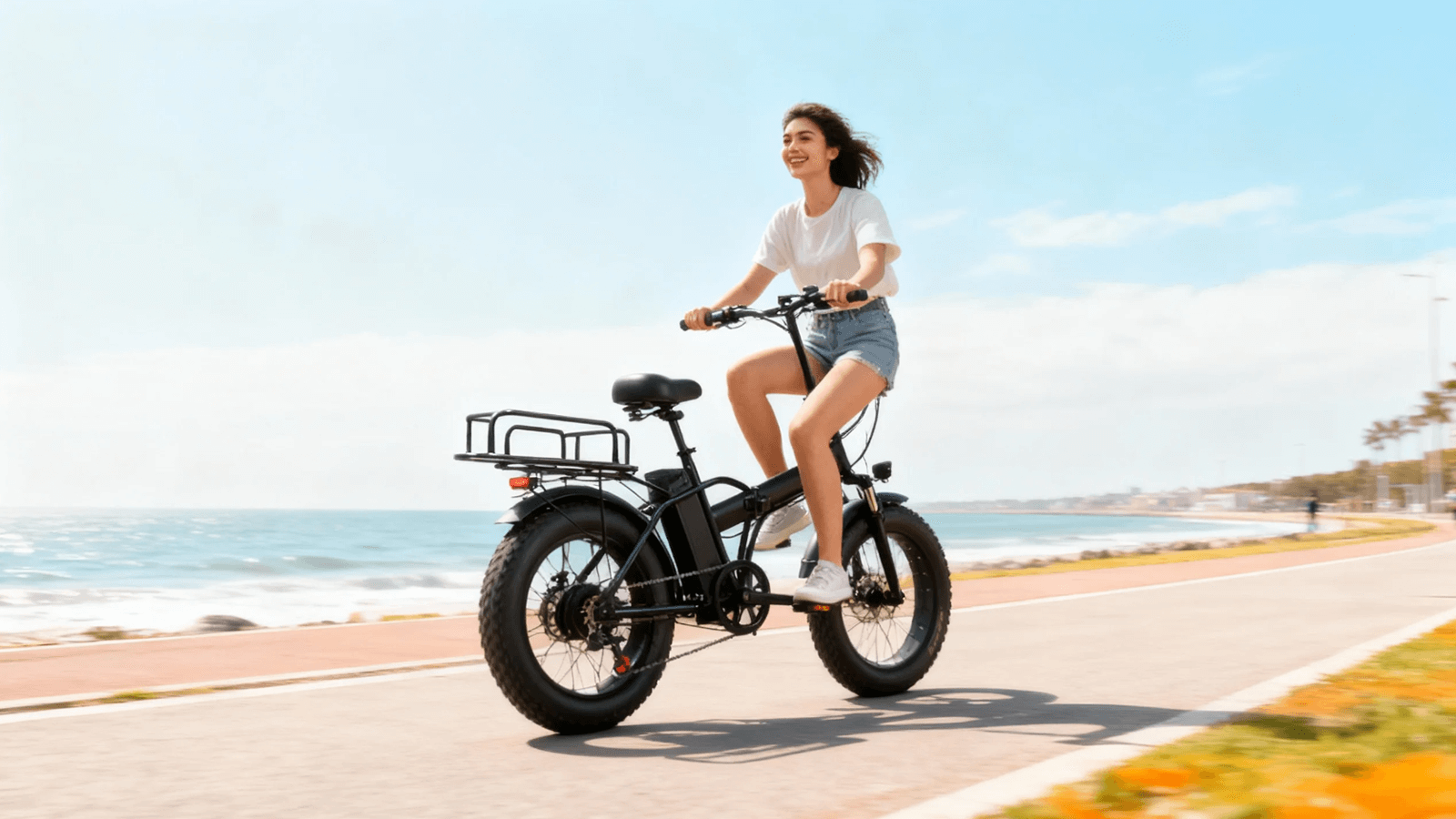
A folding e-bike is a powerful synergy of electric assistance and ingenious mechanical design. Essentially, it’s a standard e-bike equipped with strategically placed hinges that allow the frame, and often the handlebars and pedals, to collapse into a significantly smaller footprint. This simple yet revolutionary feature is the key to its immense practical value, positioning it as a mobility game-changer in densely populated areas.
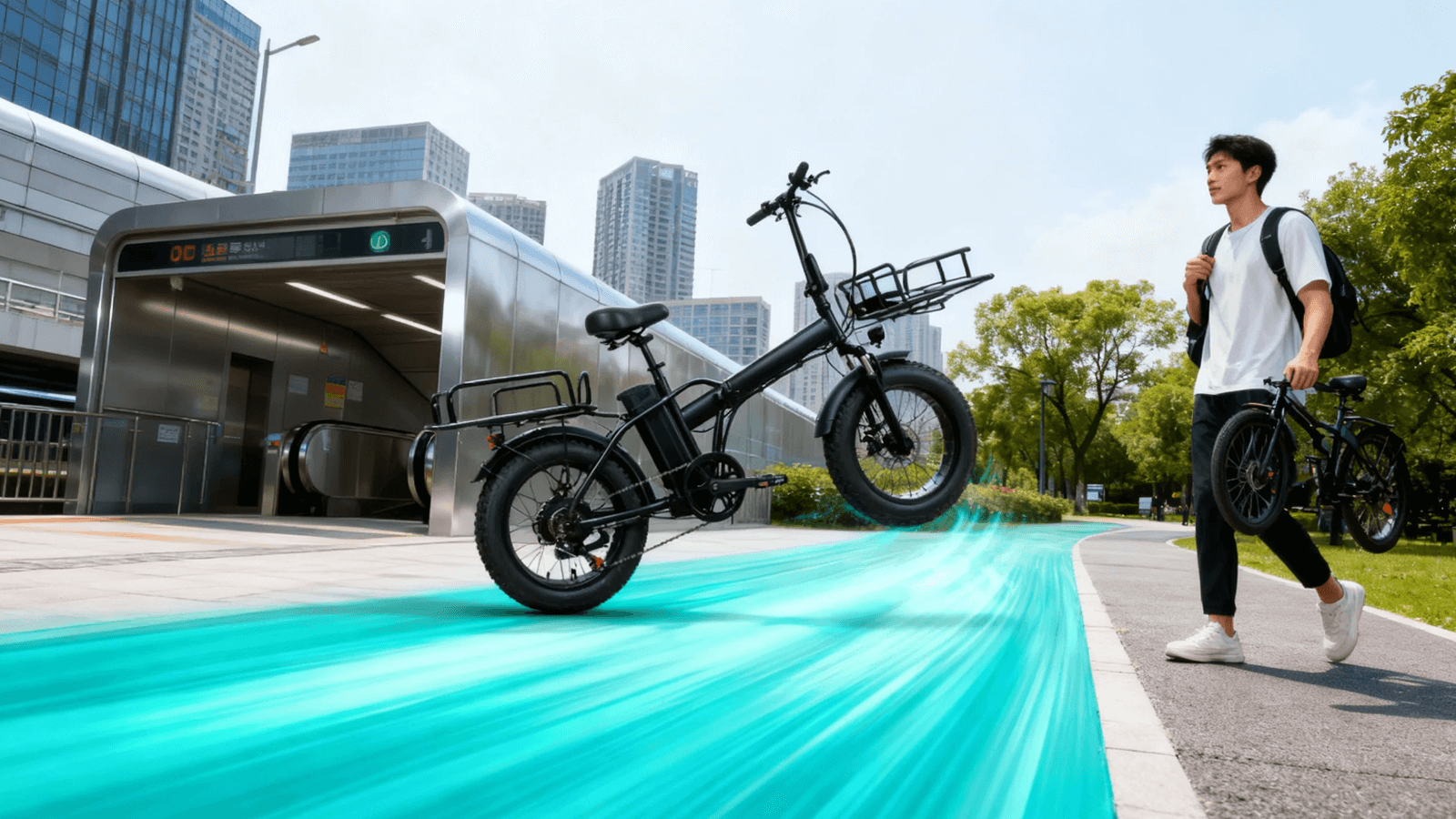
The primary application of any electric bike is to make cycling more accessible by flattening hills and reducing the physical strain on longer journeys. However, a folding e-bike goes a crucial step further: it solves the storage and multimodal transport challenge. Consider the typical commuter: they might need to ride from home to a train station, take the train across the city, and then ride from the final station to the office. A conventional bike, while useful, is a liability on crowded public transport and a bulky inconvenience in a small apartment or office space. Conversely, a folded e-bike can be effortlessly wheeled or carried onto a bus or train during peak hours, tucked discreetly under a desk, or stored in a closet. This seamless integration with public transit—the “last mile” and “first mile” solution—is where its true value proposition lies, transforming a complicated, multi-step journey into a fluid, stress-free experience.
Unpacking the Versatility: Real-World Applications of E-Bike Portability
The utility of the folding e-bike extends far beyond the daily commute, touching upon several aspects of a flexible modern life. Its design fundamentally caters to the user who requires power, yet demands ultimate convenience.
The Multi-Modal Commuter’s Dream
For city dwellers, the ability to combine riding with other forms of transport is paramount. The powerful motor assistance ensures you arrive at your transit hub fresh and without breaking a sweat, a significant advantage in professional settings. Crucially, when you arrive at your destination, you don’t have to worry about the security risks associated with leaving a standard bike locked up outside. This immediate security benefit, where the bike is always with you, translates into peace of mind and significantly reduces the chance of theft. Furthermore, for those who live in apartment buildings with limited or no dedicated bike storage, the ability to fold the e-bike and keep it safely inside their unit is often the deciding factor in ownership.
The Companion for Travel and Leisure
Beyond the daily grind, the folding e-bike shines as a travel companion. Its compact size means it can easily fit into the trunk of a standard car, an RV, or a small boat. This opens up opportunities for spontaneous exploration. Imagine driving to a scenic spot and then effortlessly pulling out your e-bike to explore local trails, coastal paths, or historical towns without the hassle of a cumbersome bike rack. RV owners, in particular, find these bikes invaluable for navigating campgrounds and nearby areas once their main vehicle is parked. They provide a practical, eco-friendly shuttle for short errands, dramatically reducing the reliance on the primary vehicle for small trips.
Enhancing Business and Service Mobility
Small business owners or those in mobile services can also leverage the unique benefits of the folding e-bike. For delivering small packages, performing quick service calls in urban areas, or for campus security and maintenance teams, the e-bike offers a low-cost, emission-free, and agile mode of transport. The added electric boost allows for carrying moderate loads with ease, and the folding capability ensures it can be stored securely within a vehicle or small service area when not in use. It embodies efficiency and sustainability for last-mile logistics.
Key Features That Define Quality and Performance
While portability is the defining characteristic, a quality folding e-bike must also deliver on performance and safety. When evaluating models, users should focus on how these features are integrated into the compact design:
- Motor and Battery Integration: Look for a reliable hub or mid-drive motor that offers sufficient torque for varying terrain, typically ranging from 250W to 500W. The battery should offer a realistic range that covers your intended use—often between 20 to 50 miles per charge—and should be easily removable for convenient charging.
- Frame and Hinge Durability: The folding mechanism is the most critical structural component. High-quality models feature robust locking mechanisms and strong, lightweight aluminum frames to ensure stability and longevity, even after hundreds of folds and unfolds. A well-designed hinge should be intuitive to operate and secure once locked.
- Tire Size and Comfort: Many folding bikes feature smaller 16-inch or 20-inch wheels, which contribute to the compact fold. While smaller, these should be paired with quality, often wider, tires and a good suspension system—or at least a comfortable seat post—to absorb road shock and maintain a smooth ride.
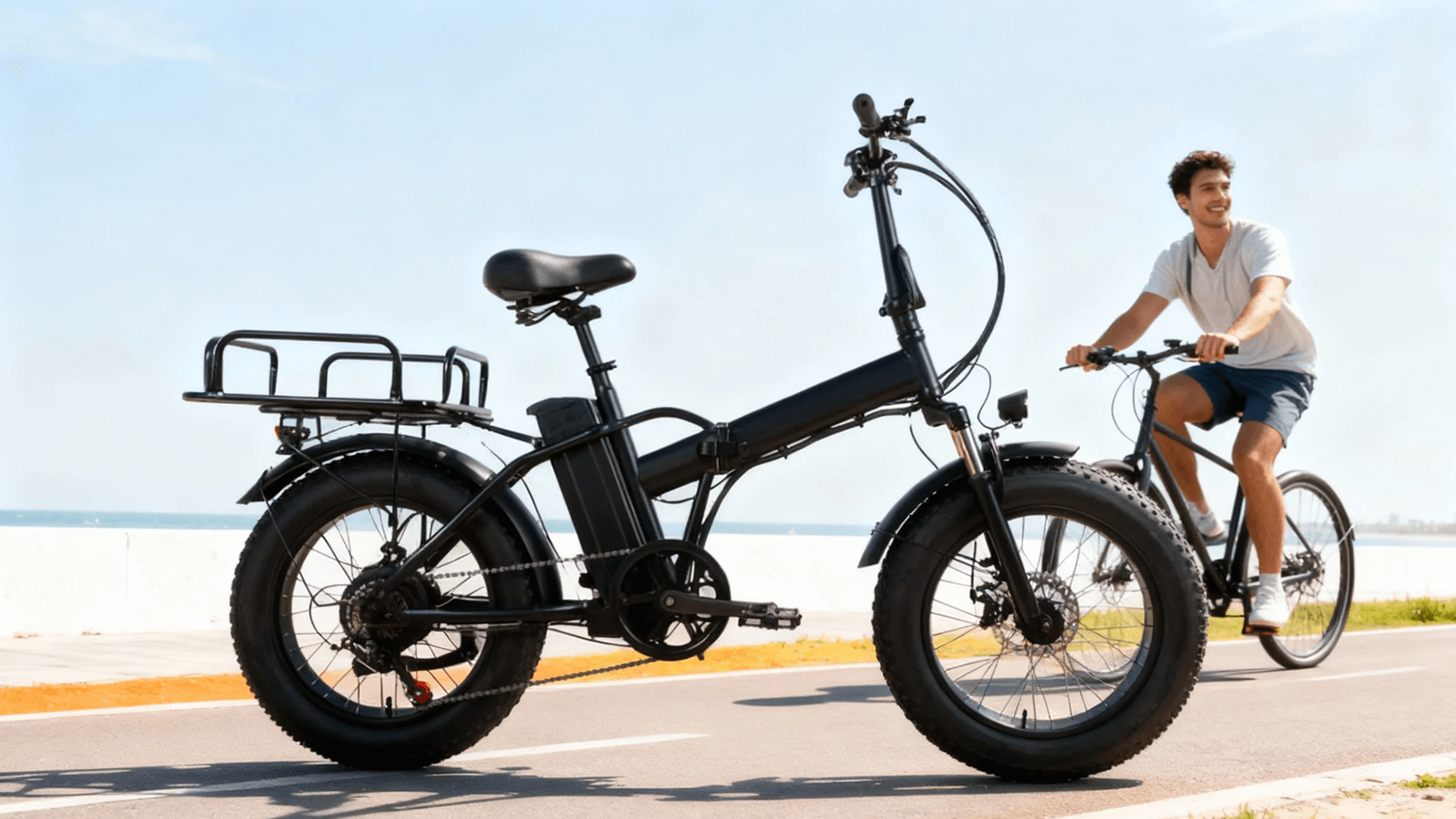
Ultimately, the choice of a folding e-bike is a lifestyle decision that favors freedom, flexibility, and convenience over bulk. It is a powerful tool for navigating the modern world efficiently and sustainably. It empowers the rider to overcome urban obstacles—traffic, parking, and storage constraints—transforming what could be a frustrating trip into an enjoyable, seamless journey.
Frequently Asked Questions
Q1: Are folding e-bikes less stable or durable than full-size e-bikes?
A: Modern, high-quality folding e-bikes are designed with robust hinges and strong materials. While the frame has moving parts, stability is not compromised when the locking mechanisms are properly engaged. They are built for daily use and are just as durable as standard e-bikes, provided they are maintained correctly.
Q2: How long does it actually take to fold and unfold an e-bike?
A: With a little practice, most quality models can be fully folded or unfolded in under 30 seconds. The process is quick and designed to be simple for repeated use, making those fast transitions between riding and using public transit seamless.
Q3: Is the range affected by the fact that it’s a folding model?
A: No, the folding mechanism itself does not impact battery range. Range is determined by the battery’s capacity (measured in Watt-hours, Wh) and factors like terrain and rider input. Folding models can house batteries with comparable capacities to many non-folding bikes.