
The landscape of personal transportation is undergoing a profound and exciting transformation, largely propelled by the rise of electric ebikes. Far more than just bicycles with a motor, these innovative machines are redefining mobility, offering a sustainable, efficient, and exhilarating alternative to traditional commuting. As urban centers become increasingly congested and the need for eco-conscious travel grows, many are questioning the viability and practical utility of this new mode of transport. This comprehensive guide delves deep into the applications, features, and true potential of these powerful two-wheeled vehicles, providing clarity and valuable insights for current and prospective riders who seek a richer, more active lifestyle.
Riders across the globe are quickly realizing that an ebike is a pivotal tool for personal liberation, capable of tackling topography and distance that might otherwise feel prohibitive. It is a fusion of classic bicycle mechanics and modern battery technology, resulting in a mode of transport that is accessible to a remarkably broad demographic. Understanding the mechanics is the first step toward appreciating the sheer versatility and core value that this technology brings to daily life and recreational pursuit.
Beyond the Basics: Understanding the Power and Versatility
To truly grasp the transformative potential, one must look closely at the technology driving these machines. The heart of any electric ebike lies in its motor and battery system, which together deliver the signature “pedal-assist” experience. This assistance is the critical differentiator, allowing riders to choose the intensity of their workout, effectively acting as an equalizer between different fitness levels or when facing challenging headwinds and steep inclines.
Driving Technology and Rider Benefits
Modern ebikes typically employ one of two motor types: the hub-drive, situated in the wheel hub, or the mid-drive, integrated near the pedals. The latter is often favored for its efficient use of the bicycle’s existing gears, offering a more nuanced and torque-responsive experience, especially on mountainous terrain. Powering this system is the lithium-ion battery, the range of which has dramatically increased in recent years, making longer journeys entirely feasible. This technological synergy ensures that riders can travel farther and faster than they would on a conventional bicycle, translating directly into time savings for commuters and expanded exploration for adventurers.
The Environmental and Economic Edge
Beyond performance, the electric ebikes embody a strong, positive environmental ethic. They operate as a zero-emission alternative, drastically reducing one’s carbon footprint compared to driving a gasoline-powered vehicle. Economically, the benefits are equally compelling. The cost of ‘fueling’ an ebike is negligible when measured against the rising cost of gasoline, public transit fares, and the expensive hassles of car maintenance and city parking. Consequently, embracing this micro-mobility solution is not only a choice for better personal fitness but also a wise fiscal and environmentally responsible decision that reflects a commitment to sustainability.

Practical Applications: Where Electric Ebikes Shine Brightly
The most compelling aspect of the modern ebike is its functional adaptability. It moves effortlessly across categories, proving its utility in various facets of daily life, transforming formerly stressful or physically demanding tasks into enjoyable activities. This versatility ensures that the machine remains relevant whether the rider is performing a mundane chore or embarking on a challenging weekend expedition.
The Ultimate Urban Navigator
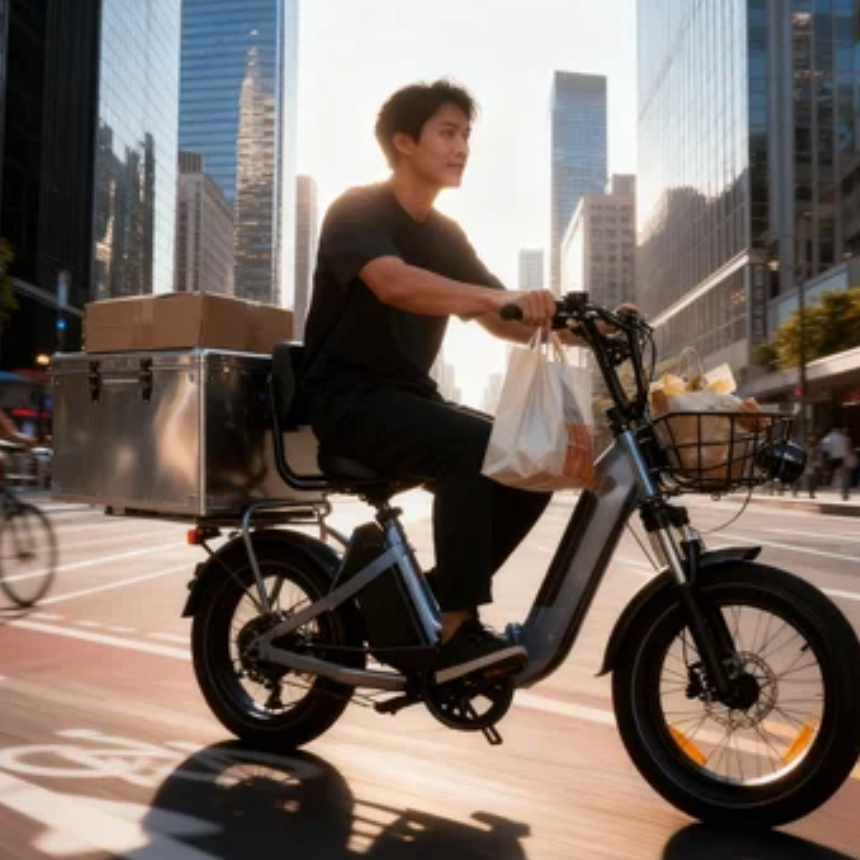
In densely populated urban environments, electric ebikes truly come into their own. They offer a powerful antidote to traffic congestion, enabling riders to bypass gridlock and utilize existing cycling infrastructure for swift, predictable travel times. For the daily commuter, the electric assist is a blessing; it ensures a rider can conquer hills and long stretches without the exhaustive physical strain, guaranteeing arrival at the workplace feeling refreshed and presentable, not drenched in sweat. Furthermore, the compact nature of a bicycle allows for much simpler parking solutions, often eliminating the need for expensive garage fees or endless street-side searching.
Adventure Redefined
The utility of these vehicles extends far beyond the pavement. For fitness enthusiasts and recreational riders, the ebike redefines what is possible on two wheels. The common misconception that using an ebike is “cheating” quickly dissolves when one realizes the assist merely allows for more time active outdoors. It facilitates tackling more aggressive mountain bike trails, accessing remote viewpoints, or simply keeping pace with stronger cycling partners. The extended range capability means that a casual weekend ride can easily turn into a multi-hour exploration of the local landscape, promoting better cardiovascular health and mental well-being through increased time spent in nature.
Hauling Power and Practicality
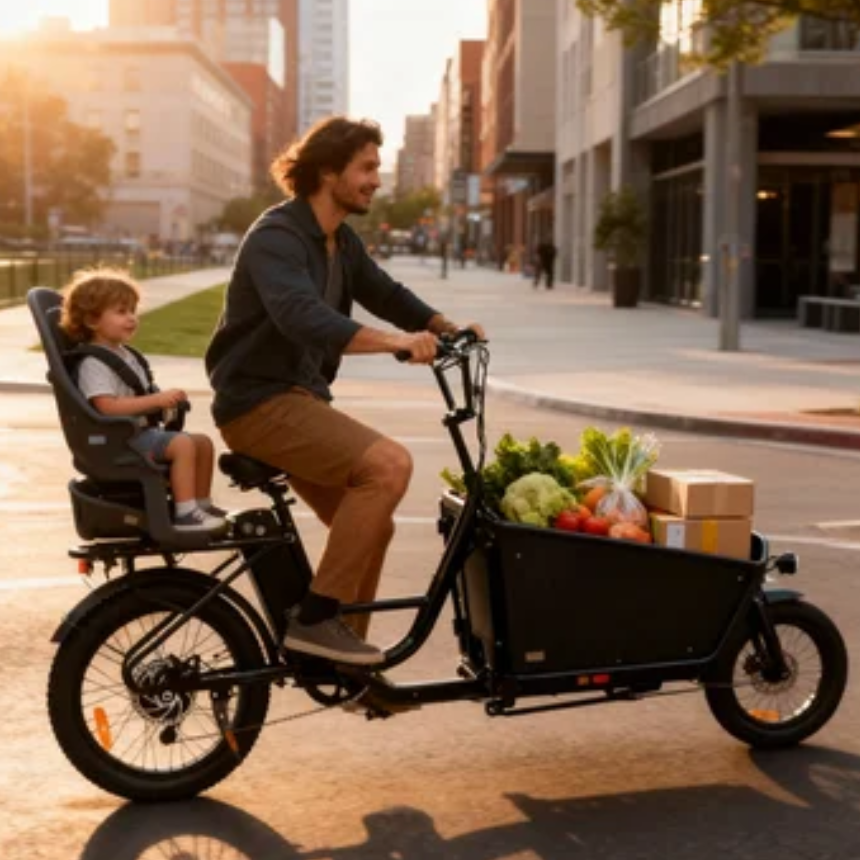
A particularly fast-growing application is the use of cargo electric ebikes. These machines are specifically engineered with robust frames and greater payload capacity, positioning them as genuine car replacements for short-to-medium distance errands. Parents use them to transport children to school, businesses utilize them for local deliveries, and everyday users rely on them for weekly grocery runs. The electric assist makes carrying significant weight effortless, effectively blending the low operating cost and maneuverability of a bicycle with the practical utility of a small vehicle. This function directly addresses a critical need in urban planning: providing effective, efficient tools for reducing dependency on large, polluting automobiles.
Making the Right Choice: Factors for Prospective Riders
Choosing the right ebike requires a clear understanding of its intended primary application. A bike designed for off-road trails will have vastly different specifications than one optimized for city commuting. This careful selection process is vital to maximize the value and enjoyment derived from the investment.
Key Considerations Before Purchase
Prospective riders must consider several key factors. Range is paramount, tied directly to battery size and efficiency—does the daily travel distance require 30 miles or 80 miles of assist? Frame style is also crucial; a step-thru design offers easier mounting for riders with mobility concerns or those wearing business attire, while a high-top bar is preferred for aggressive trail riding. Additionally, features like hydraulic disc brakes, integrated lights, and quality suspension systems must be weighed against the expected riding conditions to ensure optimal performance and safety. Selecting the components that align with a rider’s specific needs ensures the long-term enjoyment of the machine.
Safety and Maintenance for Longevity
Owning an ebike also involves accepting a responsibility for its care. Regular maintenance, while similar to a traditional bike, must also account for the electrical components. This includes routine inspection of the battery pack for wear, ensuring proper charging practices to maximize its lifespan, and diligently checking that brakes and tire pressure are within specification. Furthermore, all riders must be aware of and comply with local regulations regarding speed limits and classification (Class 1, 2, or 3) to ensure a safe and legal riding experience for themselves and others.
The Road Ahead: The Expanding Role in Global Mobility
The proliferation of electric ebikes is not an isolated event but a part of a much larger, necessary global shift towards sustainable and decentralized transportation. Cities around the world are recognizing the tremendous benefits, accelerating the development of dedicated cycling lanes, secure parking, and even public charging stations to fully integrate these vehicles into the public landscape. The collective move toward micro-mobility solutions promises less noise pollution, cleaner air, and healthier communities. The trajectory is clear: these electric-assisted bicycles are not merely a temporary trend but a fundamental, enduring change in how humanity approaches travel. They offer freedom, efficiency, and fun, all wrapped up in a responsible package.