
This is the quintessential question for anyone stepping into the vibrant world of electric bicycles. The initial cost, the conspicuous number on the price tag, often dictates the first reaction. However, to truly understand the price for an ebike, one must look beyond this single figure. Electric bikes are complex, sophisticated machines that represent a significant investment in sustainable personal mobility, commuting efficiency, and recreational enjoyment. They are a fusion of traditional cycling mechanics and cutting-edge battery technology, and their cost reflects this intricate blend of engineering, design, and component quality.
The immediate purchase price, which can range dramatically from a few hundred to over ten thousand dollars, is merely the tip of the iceberg. The real price is a culmination of tangible costs like components and intangible benefits like reduced commuting stress, health improvement, and environmental contributions. This comprehensive guide is dedicated to dissecting these factors, empowering you to move from simply asking “how much is it?” to assessing “what is the real value I’m receiving?” for your investment.
The Core Components Driving the Ebike Price Tag
The wide price spectrum of electric bikes is primarily attributed to the quality and specification of a few critical components. Understanding these elements is essential for a savvy purchase.
Motor Systems: Hub vs. Mid-Drive – A Fundamental Price Divergence
The motor is the heart of the ebike. Two main types dominate the market, creating a significant price differential.
- Hub Motors: These are typically more affordable, being simpler to manufacture and integrate. They are housed in the center of the front or rear wheel. While excellent for flat commuting and casual riding, they generally offer less torque and utilize battery power less efficiently. Consequently, they are often found in the entry to mid-level priced bikes.
- Mid-Drive Motors: Situated in the center of the bike’s frame (crank area), mid-drive motors are the premium option. They are engineered to operate through the bike’s existing gears, dramatically increasing efficiency, range, and torque. This superior performance, along with their complex integration and often proprietary technologies (e.g., Bosch, Shimano, Brose), elevates the overall price for an ebike equipped with this system.
The Battery: The Single Most Expensive Component
The battery is the fuel tank and, critically, the single most costly replacement part. Battery prices are directly proportional to their capacity, measured in Watt-hours (Wh).
- Capacity and Range: A higher capacity (e.g., $500\text{ Wh}$ vs. $750\text{ Wh}$) directly translates to a longer riding range, which, in turn, increases the price. The quality of the cells (e.g., genuine LG or Samsung cells) also adds a premium due to their proven longevity, safety, and consistent performance.
- Integration and Design: Batteries that are seamlessly integrated into the frame contribute to a cleaner aesthetic but often require specialized manufacturing processes, adding to the cost.
Build Quality and Auxiliary Components
Beyond the electric parts, the quality of the bicycle components significantly affects the cost.
- Frame Material and Suspension: High-end bikes may feature lightweight carbon fiber or advanced aluminum alloys with hydroformed tubes, demanding a higher price. Full-suspension systems, especially those with air-dampened shocks from reputable brands (e.g., Fox, RockShox), will substantially elevate the total cost compared to simple hardtails.
- Drivetrain and Braking Systems: Premium ebikes are outfitted with better-quality gears and hydraulic disc brakes (e.g., Shimano Deore or SRAM NX). These components offer enhanced shifting precision and superior stopping power, which is critical for heavier, faster electric bikes. This improvement in safety and reliability is an inherent part of the higher price for an ebike.
The Application-Driven Value: How Ebike Usage Shapes the Investment
The optimal price for an ebike is relative to its intended use. Different applications necessitate different component requirements, fundamentally altering the perceived and actual value.
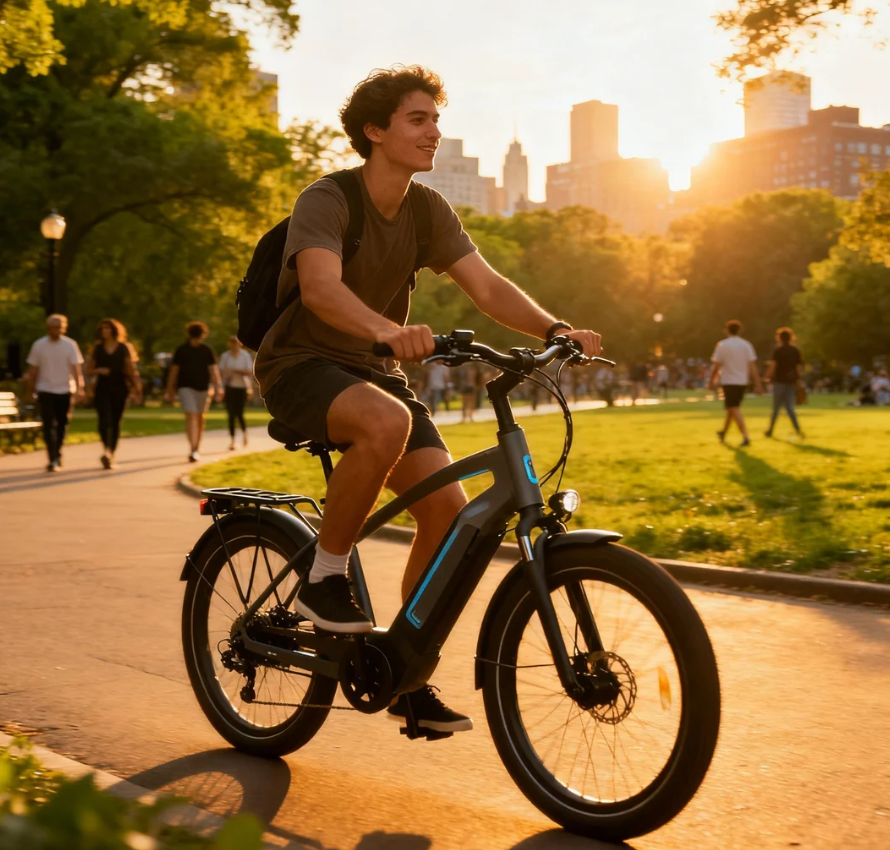
- Commuting Ebikes (Mid-Range Price Point): These bikes prioritize practicality and durability. They require decent battery range, reliable puncture-resistant tires, and often come equipped with fenders and racks. A mid-drive motor is often preferred for hill climbing on urban routes, pushing the price towards the upper mid-range. The value proposition here is the replacement of costly, stressful car commutes.
- Mountain Ebikes (High-Range Price Point): E-MTBs are designed for extreme conditions. They demand highly responsive full-suspension, powerful mid-drive motors for technical climbs, and robust, precise hydraulic brakes. The component standards are similar to high-end traditional mountain bikes, which inherently drives the price to the highest tiers.
- Cargo Ebikes (Premium Utility Price Point): Focused on hauling children or heavy goods, these bikes require ultra-strong frames, exceptional motor torque, and often dual-battery systems for extended range. Their specialized design and utility-focused engineering position them at a premium price, but the value is in their ability to replace a second family car.
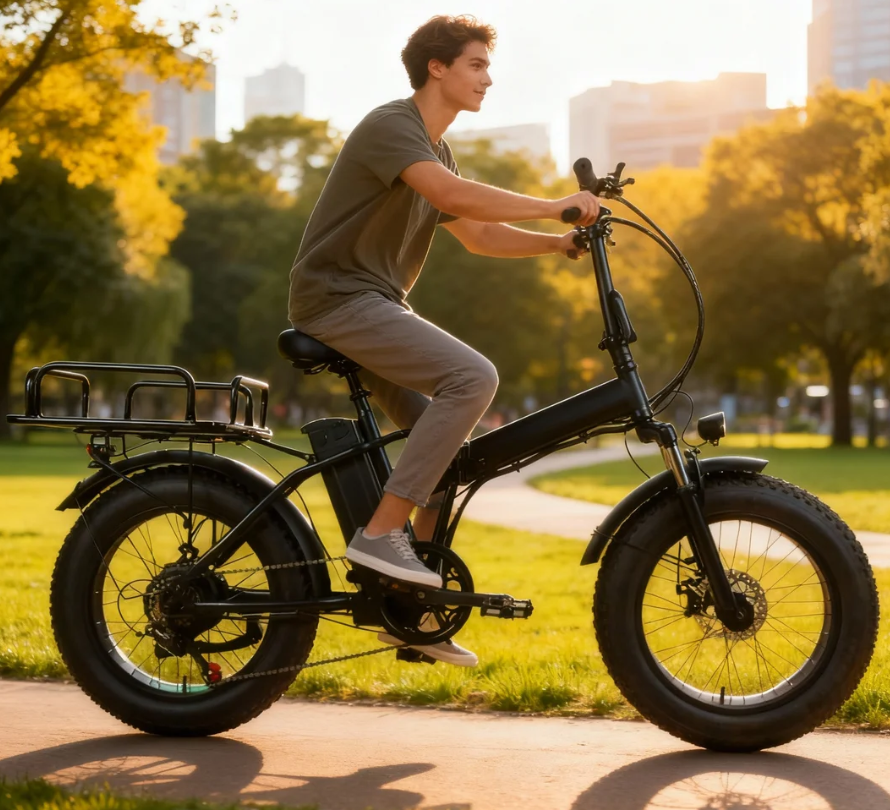
- Folding/Casual Ebikes (Entry to Mid-Range Price Point): Simplicity, portability, and convenience are key. These often use hub motors and smaller batteries, making them the most accessible entry point. The value is rooted in ease of storage and last-mile transportation.

The Hidden Costs and Long-Term Value of Ebike Ownership
The initial investment is only part of the story; a complete analysis of the price for an ebike must include the lifecycle costs and intangible benefits.
The Long-Term Costs and Savings
- Maintenance: Generally, ebikes require similar maintenance to traditional bikes (tires, brake pads, chain wear). However, the electric components occasionally need specialized service, such as motor diagnostics or battery balancing, which can be slightly more expensive.
- Insurance and Accessories: High-value ebikes often require theft insurance, and necessary accessories (locks, helmets, lights) add to the total cost.
- Fuel and Transportation Savings: This is where the long-term value shines. Replacing car trips means zero fuel costs, significantly reduced public transit fares, and the elimination of parking fees. Over a few years, these savings can substantially offset the initial purchase price. The investment is often quickly amortized through these recurring savings.
The Intangible Benefits: The Price of Well-being
While not a monetary cost, the intangible benefits are a crucial part of the ebike’s overall value proposition.
- Health and Fitness: Ebikes offer adjustable pedal assistance, providing a low-impact workout that encourages consistent physical activity, leading to better cardiovascular health.
- Mental Well-being: Commuters consistently report reduced stress and increased enjoyment of their journey, as they bypass traffic and spend more time outdoors.
- Environmental Impact: Choosing an ebike reduces one’s carbon footprint, offering a contribution to a greener planet. This alignment with a sustainable lifestyle is, for many, a priceless aspect of the investment.
Conclusion: Assessing True Value and Making the Right Choice
Ultimately, the correct price for an ebike is the one that aligns with your specific needs, budget, and long-term goals. An entry-level bike might be a steal for casual weekend rides, but it would quickly prove inadequate and costly to repair if used for demanding daily commuting. Conversely, overpaying for features you will never use is equally poor value.
Savvy buyers should focus on the quality of the battery and motor—the parts that determine the bike’s longevity and performance—and ensure the component quality matches the intended application. The initial sticker price should be viewed as the down payment on years of efficient, enjoyable, and sustainable transportation.