
Choosing the correct battery voltage is perhaps the most significant decision an electric bicycle user will make concerning their bike’s performance. The voltage, measured in volts (V), is often described as the “pressure” or “force” of the electrical energy supplied to the motor, fundamentally determining your ebike’s potential for speed and torque. Consequently, a proper understanding of the common choices—particularly the 48V ebike battery and the high-performance 72V ebike battery—is absolutely vital. This guide is designed to empower you, the rider, with the necessary knowledge to make an informed choice that aligns perfectly with your riding style, commute demands, and safety considerations. Ultimately, the battery is the heart of your electric adventure, and selecting the right one is the key to unlocking your ebike’s true potential.
Understanding the Core Differences in Ebike Voltage
While various voltages exist, the comparison between 48V ebike battery systems and 72V ebike battery systems represents a clear split between practical, balanced power and extreme, high-performance capability.
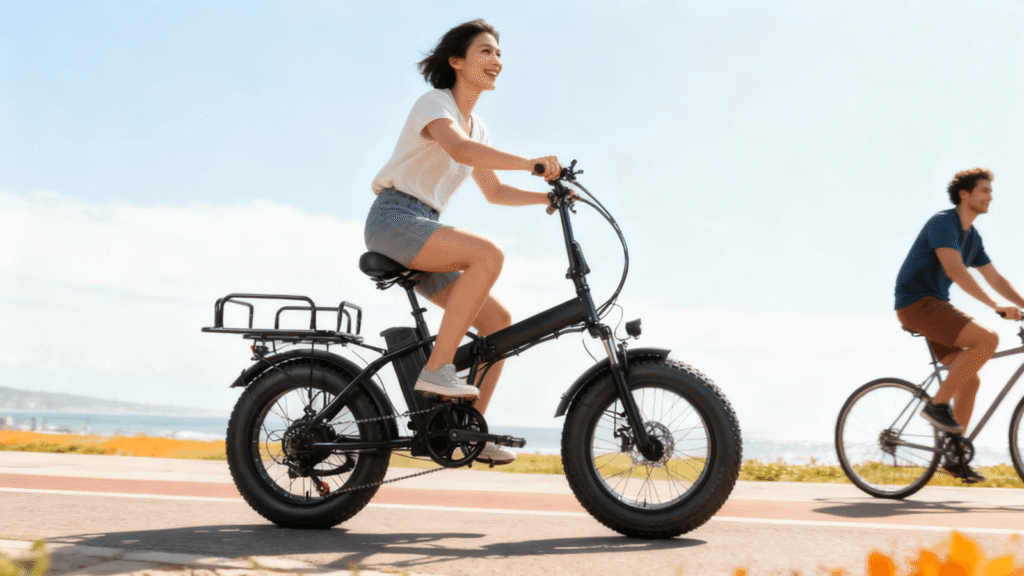
The 48V Ebike Battery: The Versatile Workhorse
The 48V ebike battery has become an industry standard for very compelling reasons. It represents a near-perfect balance of power, efficiency, and broad compatibility for the majority of electric bicycle users. This voltage range allows the motor to deliver ample torque and speed, making it highly effective for everyday commuting, moderate hill climbing, and even light off-road trails.
In essence, the 48V system is the pragmatic choice for the diverse needs of the modern ebike rider. A greater range is often achievable at this voltage compared to lower-voltage systems, as the motor operates more efficiently under load. Furthermore, this battery voltage is typically associated with better component availability, lower cost, and less stringent regulatory scrutiny in many regions, making it a globally accessible and reliable option. Generally speaking, a 48V ebike battery ensures that riders have enough power to confidently tackle varied terrain without the complexity or weight of a high-end system.
The 72V Ebike Battery: The Performance Enthusiast’s Choice
Conversely, the 72V ebike battery is undeniably for the dedicated performance enthusiast, the off-road adventurer, or the rider requiring heavy-duty power. This significant jump in voltage translates directly to a massive increase in raw power and top-end speed capability. In simple terms, a higher voltage allows the motor to spin faster and maintain greater torque, even at high speeds, which is particularly useful for achieving higher velocities and conquering extremely steep inclines.
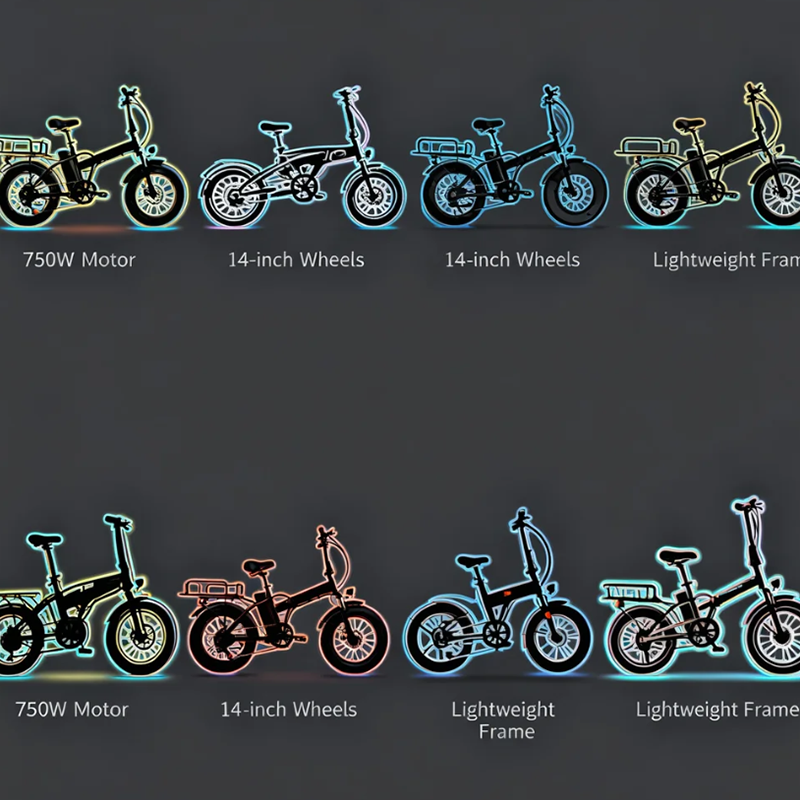
However, the power of a 72V ebike battery comes with important considerations. Systems operating at this level require highly specialized motors, controllers, and wiring capable of handling the increased electrical force. Consequently, the initial cost and potential complexity of a 72V ebike battery system are considerably higher. Moreover, riders must be acutely aware of local laws and regulations; in many jurisdictions, ebikes operating at or above 72V are often legally classified as electric motorcycles or mopeds, restricting their use to private land or dedicated off-road trails. Therefore, this choice should be reserved for those who prioritize maximum power and are comfortable managing high-performance equipment.
The Rider’s Application: Matching Voltage to Usage
The decision between a 48V ebike battery and a 72V ebike battery should be purely driven by the intended application. Your riding environment and personal goals are the most reliable compass.
For the Daily Commuter and All-Around Rider: The 48V Ebike Battery
For the vast majority of riders, including urban commuters, leisure cyclists, and those using their ebike for mixed suburban errands, the 48V ebike battery is highly recommended. This system provides a generous blend of speed and range perfect for navigating traffic, accelerating swiftly from a stop, and handling moderate hills. Since most commercial ebike models are engineered around a 48V platform, users benefit from a predictable, widely supported, and robust package. The ease of component replacement and the lower weight profile associated with this system also enhance the overall riding experience. If you are seeking a reliable, versatile, and legally compliant ebike for daily use, a 48V battery system is the most balanced choice. It provides a confident, smooth ride without unnecessary excess.
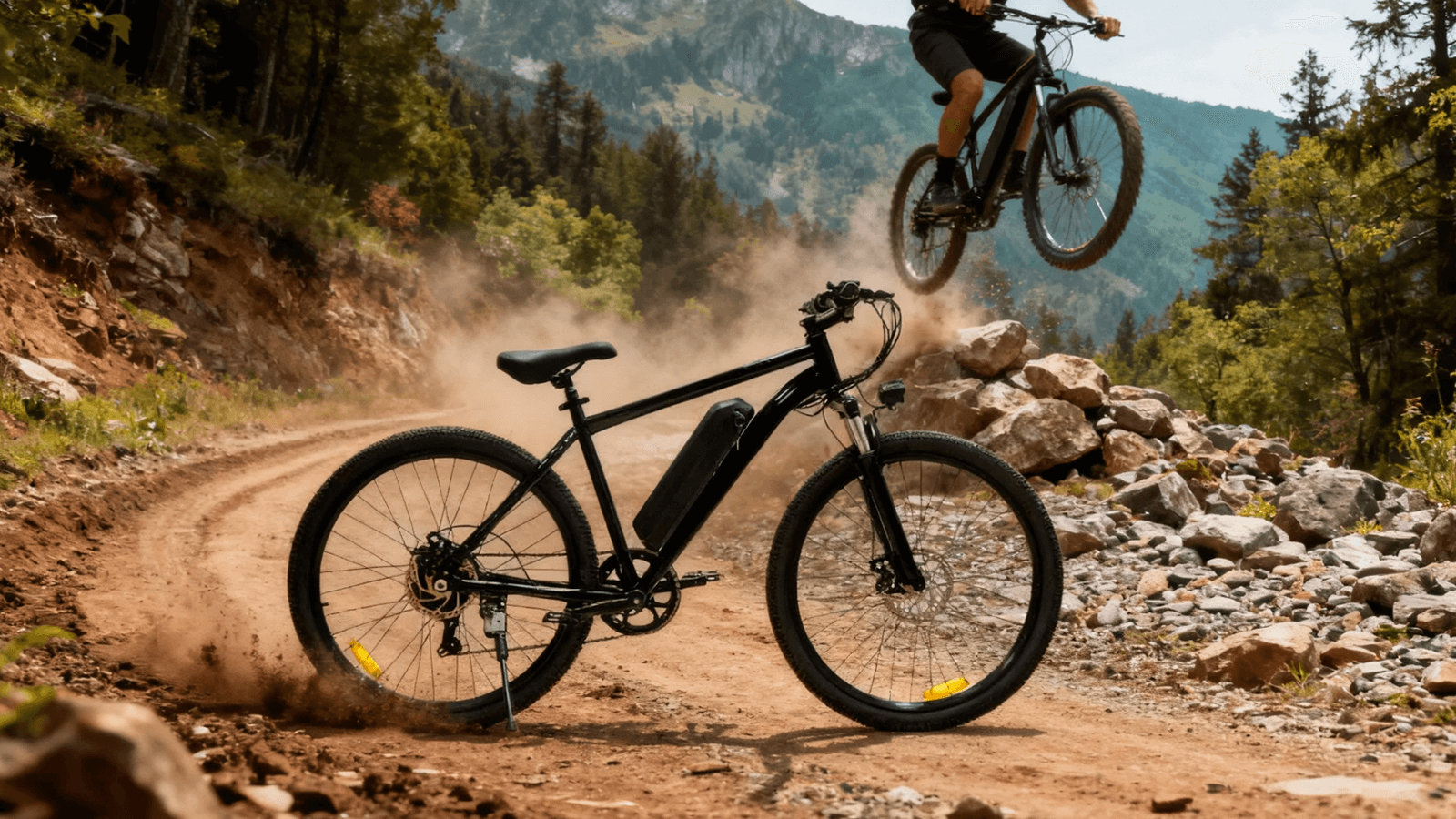
For the Off-Road Expert and Heavy-Duty User: The 72V Ebike Battery
If, and only if, your primary goal is to achieve extremely high speeds (often exceeding 35 mph), traverse highly challenging off-road terrain, or carry very heavy cargo over steep inclines, the 72V ebike battery merits consideration. The sheer power output of a 72V system allows for exceptional acceleration and sustained high-speed cruising, which can be thrilling and necessary for specific applications, such as high-speed dirt trails or custom-built cargo haulers. Crucially, the user of a 72V ebike battery system must be an advanced rider with a deep commitment to safety, protective gear, and an understanding of the mechanical limits of their build. This is a high-demand, high-reward territory, best suited for custom builds and experienced electric vehicle enthusiasts. Proper wiring, component matching, and a robust Battery Management System (BMS) are non-negotiable necessities at this voltage level.
Technical and Safety Implications of Higher Voltage
While increased voltage offers clear performance benefits, it also introduces several technical and safety considerations that must be responsibly addressed.
As voltage increases from 48V ebike battery to 72V ebike battery, the power transmission becomes inherently more efficient. The motor can draw less current (amps) to produce the same amount of power (watts), which reduces heat generation in the motor and controller, potentially improving component longevity. However, the higher the voltage, the more critical the quality and insulation of all components become. The risk of electrical issues and the potential for a safety incident are heightened.
Consequently, 72V ebike battery systems require a much higher degree of technical expertise for both assembly and maintenance. A common mistake is attempting to pair a high-voltage battery with a motor or controller not explicitly rated for 72V operation, a practice which will invariably lead to system failure and potential danger. It is of paramount importance that all components in a 72V system be perfectly matched and installed by a professional. By contrast, the 48V ebike battery system is generally more forgiving and simpler for the average user to maintain and troubleshoot. This distinction emphasizes the value of choosing a voltage that matches not only your riding needs but also your technical comfort level.
Conclusion: Making the Informed Decision
Ultimately, the choice between a 48V ebike battery and a 72V ebike battery should be viewed through the lens of purpose, practicality, and safety.
- The 48V ebike battery is the undisputed champion for the vast majority of riders, offering an excellent, well-balanced, and highly compliant solution for commuting, touring, and general recreation. It delivers reliable power and a commendable range without the added cost and complexity of a high-voltage system.
- The 72V ebike battery is the specialized tool for the specialized job. It provides superior power and speed, but is best suited for experienced riders in high-performance, off-road, or heavy-duty environments, where legal restrictions are minimal and technical expertise is high.
As a user, you should always select the lowest possible voltage that fully satisfies your riding requirements. This approach ensures you maximize compatibility, minimize cost, and maintain the highest standard of safety for your journeys.
FAQ for Ebike Battery Voltage
Q1: Will upgrading from a 48V to a 72V battery automatically increase my ebike’s speed?
A: Yes, generally, a higher voltage will increase the potential top speed and acceleration, as it allows the motor to spin faster. However, the motor and controller must be explicitly rated for 72V operation; otherwise, the components will fail. This is not a simple “plug and play” upgrade.
Q2: Does a higher voltage (72V) automatically mean a longer range than a 48V system?
A: Not necessarily. Range is primarily determined by the battery’s total energy capacity, measured in Watt-hours (Wh). Since $\text{Wh} = \text{Voltage (V)} \times \text{Amp-hours (Ah)}$, a 48V ebike battery with a very high Ah rating can easily have a greater range than a 72V ebike battery with a low Ah rating. Range also depends heavily on riding speed and efficiency.
Q3: Are 72V ebikes legal for street use in most places?
A: In many countries and regions, electric bikes with systems exceeding a certain voltage (often 48V or 52V) or power limit (often 750W or 1000W) are classified as motor vehicles. The 72V ebike battery is frequently restricted to off-road or private property use. Always check your local and state regulations before purchasing or converting to a 72V system.