
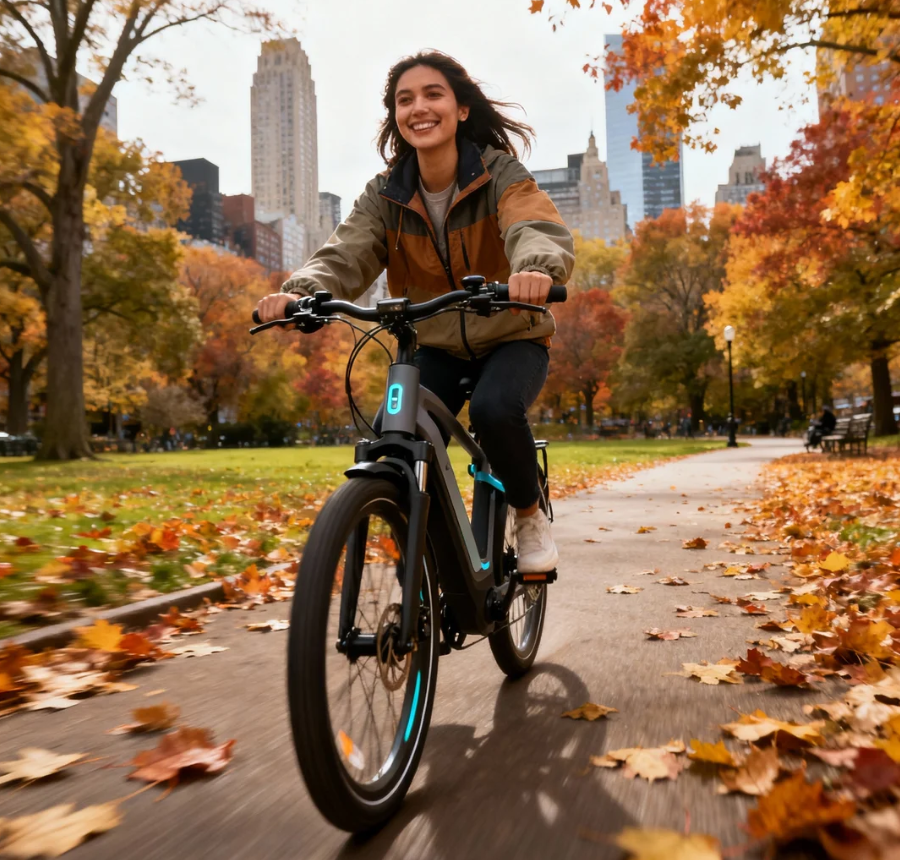
The electric bicycle, or ebike, has fundamentally changed personal transportation, moving far beyond a niche product to become a mainstream solution for commuting, fitness, and utility. For prospective riders, ebike technology offers an empowering blend of human effort and electrical assistance, making cycling accessible to more people across varying terrains and fitness levels. The core appeal lies in their ability to flatten hills, extend range, and reduce the physical strain traditionally associated with biking, transforming mundane journeys into enjoyable, efficient experiences.
Selecting the right model, however, is a critical step. The market is populated by an array of specialized designs, each meticulously engineered for distinct purposes. This detailed guide is intended to illuminate the diverse landscape of electric mobility, providing a profound understanding of the specialized categories available, focusing intensely on their practical applications to ensure you choose an ebike that genuinely enhances your life and meets your specific transportation needs. By evaluating the standout features of each type, a clear path toward sustainable and enjoyable riding can be established.
Exploring the Specialized World of Ebike Applications
The application of electric power to bicycle design has led to several highly specialized categories. These designs highlight the sheer versatility of the ebike concept, demonstrating that there truly is an electric solution for almost every mobility challenge. Consequently, understanding the core function and defining characteristics of each type is paramount for the informed user.
Cargo Bikes: The Hauling Powerhouse
Cargo Bikes represent a significant shift in utility cycling, effectively substituting a second car for many families and businesses. They are designed with reinforced, robust frames capable of safely carrying substantial loads, whether that involves weekly groceries, large packages for deliveries, or, most commonly, children. Furthermore, the integrated electric motor becomes indispensable here, mitigating the heavy effort required to move significant mass.
Defining Features:
- Load-Bearing Capacity: Distinguished by their extended wheelbase, durable construction, and dedicated storage platforms (front box, extended rear rack, or long tail).
- Stability and Control: The overall design emphasizes a low center of gravity, which ensures stability even when fully loaded. This characteristic is critical for maintaining control in urban environments.
- Practical Application: They are the optimal choice for emission-free logistics, the daily school run, and bulk shopping, providing genuine, high-value, practical transportation.
City Bikes: The Urban Navigator
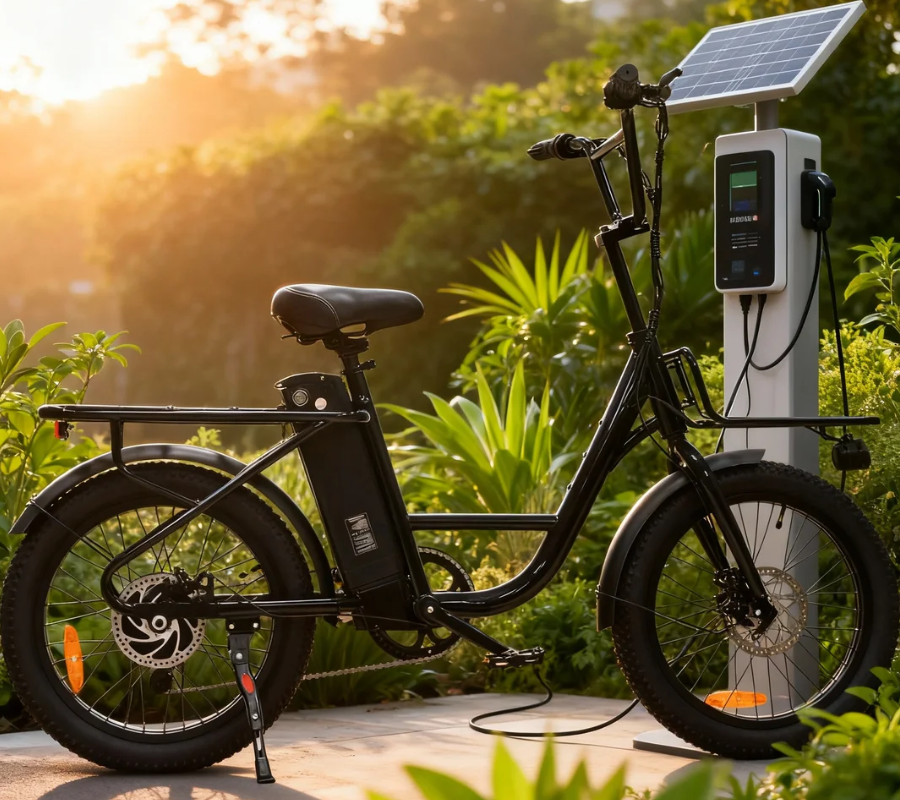
The City Bikes category is expertly crafted for the realities of urban commuting. These ebikes prioritize rider comfort, visibility, and ease of use over sheer speed or rugged capability. Therefore, a relaxed, upright riding posture is often incorporated, allowing the rider to maintain a better view of traffic and their surroundings.
Defining Features:
- Comfort-Oriented Design: They frequently feature step-through frames for easy mounting and dismounting, along with comfort saddles and internal hub gears for low maintenance.
- Commute-Ready Integration: Full mudguards, integrated lighting systems, and rear racks are commonly included, which make them immediately suitable for daily, all-weather commuting without the need for extensive modification.
- Practical Application: This type is perfectly suited for daily commutes, short errands, and leisure cruising on paved urban pathways and roads, making them the default choice for the everyday rider.
Folding Bikes: The Multi-Modal Commuter
Folding Bikes are the quintessential solution for riders whose journey necessitates combining cycling with public transport or requires minimal storage footprint. Consequently, their value proposition is centered entirely on supreme portability and convenient storage in tight spaces, such as small apartments or under office desks.
Defining Features:
- Compact Portability: Engineered with sophisticated hinge mechanisms in the frame, handlebars, and sometimes the pedals, allowing them to collapse quickly into a significantly smaller package.
- Urban Versatility: Often equipped with smaller wheels (16 or 20 inches), balancing maneuverability in traffic with a compact folded size.
- Practical Application: They are the ideal tool for the multi-modal commuter—the rider who uses a train or bus for the main leg of the journey and the ebike for the “last mile” travel, solving complex logistical challenges simply.
Motorbikes (Electric Motorcycles): The Performance Thrill
While technically distinct from pedal-assist ebikes, the electric two-wheeled segment includes high-performance Motorbikes (electric motorcycles). These machines operate without mandatory pedaling, offering far greater speed and acceleration, which satisfies a different user need: high-speed, long-distance performance that rivals traditional combustion engine motorbikes.
Defining Features:
- Throttle-Powered Performance: Characterized by large battery packs, powerful motors, and instant torque delivery, providing rapid acceleration and higher top speeds.
- Robust Chassis: They feature a heavier, more stable frame, suspension systems, and braking capabilities designed to handle significant speed and power.
- Practical Application: Best for riders seeking an exhilarating, fast, and traffic-beating form of personal transport for longer, highway-capable journeys, offering a green alternative to traditional motorcycles.
Mountain Bikes: Conquering the Off-Road Trail
Mountain Bikes are built to enhance the adventure of off-road cycling. The inclusion of electric assistance here is not about ease, but about extension—allowing riders to ascend steeper, more technical trails and cover greater distances in less time. In essence, the motor acts as an equalizer, enabling a wider range of riders to tackle challenging terrain.
Defining Features:
- Rugged Construction: Defined by robust frames, high-performance suspension (often full-suspension), and wide, knobby tires to maximize grip and absorb shock on harsh trails.
- High-Torque Motors: Mid-drive motors are favored for their ability to deliver powerful torque directly to the drivetrain, which is essential for climbing steep inclines.
- Practical Application: They are designed for the serious outdoor enthusiast, enabling longer explorations of demanding trails, allowing more time to be spent on descending and enjoying the ride.
Scooter Bikes (Electric Scooters/Mopeds): Compact and Nimble
The category of Scooter Bikes (referring to electric seated scooters or mopeds, rather than stand-up kick scooters) offers a blend of easy operation and protective bodywork. These vehicles are designed for comfortable, low-effort travel over medium distances, often providing more weather protection and storage than a bicycle.
Defining Features:
- Step-Through Platform: A large, easy step-through design and comfortable seating are standard, promoting a relaxed riding position.
- Simple Operation: Typically throttle-driven with automatic transmission, making them incredibly simple to operate.
- Practical Application: These are excellent for running local errands, casual commuting, and riders who prefer a seated, car-like comfort experience without needing to exert physical effort or manage gears, providing an accessible form of personal transport.
Choosing Your Path to Electric Mobility
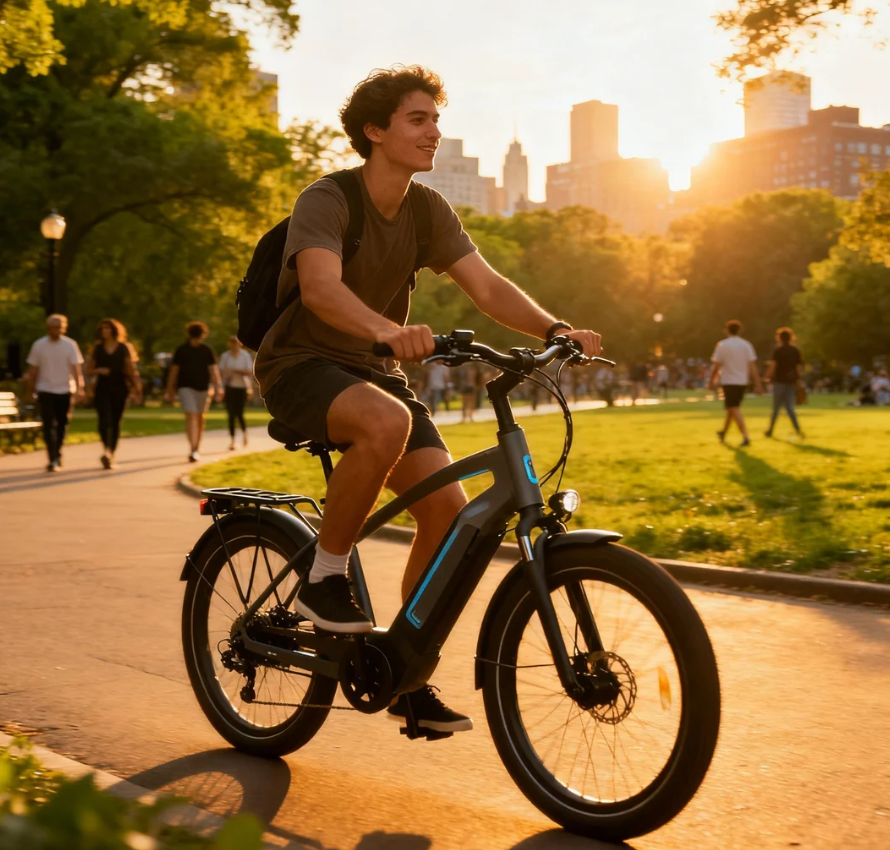
The decision of which ebike is correct is ultimately dictated by the user’s primary use case and lifestyle. Ultimately, a holistic approach is required where battery range, motor power, legal classifications, and rider comfort must be balanced against the intended daily application. An ebike purchase should be viewed as an investment in sustainable, convenient, and enjoyable mobility. For example, a family relying on bike transport for children must prioritize a Cargo Bike’s stability and hauling capacity, whereas an individual with a multi-stop commute should be drawn to the efficiency and portability of a Folding Bike.
The current trajectory of electric mobility is one of continuous positive innovation, offering users vehicles that are safer, more efficient, and better integrated into the urban and natural landscapes. Responsible use, including adherence to local regulations and respect for all shared paths, ensures that the ebike community remains a force for positive environmental and personal change. By selecting a machine that aligns with a clear, defined purpose, users can maximize the inherent value and enjoyment that these fantastic electric vehicles offer.