
Embarking on the journey of building or upgrading an electric bicycle brings a unique sense of accomplishment. Whether you are converting a trusty mountain bike into a hill-climbing machine or replacing a damaged motor on a commuter, the mechanical details matter immensely. One specific dimension dictates compatibility more than any other. Understanding how to measure rear drop out fork on ebike frames serves as the foundational step for any successful hub motor installation. Without this precise measurement, you risk purchasing incompatible components, damaging your bicycle frame, or compromising the structural integrity of your ride.
This measurement, often referred to within the industry as the O.L.D. (Over Locknut Dimension), determines if a rear hub motor will slide effortlessly into place or if it will require dangerous modifications. While the process might sound technical, it remains accessible to anyone with a ruler or calipers and a steady hand. Precision ensures that your electric bicycle operates smoothly, efficiently, and safely. We will explore the nuances of these measurements, the standard sizes found in the industry, and how frame materials influence your installation choices.
Why You Must Know How to Measure Rear Drop Out Fork on Ebike
The rear dropout measurement is the internal distance between the two slots where the rear wheel axle attaches to the frame. In the context of electric bikes, this space must accommodate not just the wheel hub, but also the specific width of the electric motor casing and the spacing washers. If a rider does not know how to measure rear drop out fork on ebike setups correctly, they face two distinct problems. A motor that is too wide will simply not fit, or forcing it in could snap aluminum stays. Conversely, a motor that is too narrow will require spacers; failing to use them causes the frame to compress unnaturally when the nuts are tightened, leading to stress fractures over time.
Furthermore, the dropouts on an e-bike handle significantly more torque than those on a standard pedal bicycle. The rotational force generated by the motor transfers directly through the axle into the dropouts. A poor fit, caused by incorrect measurement assumptions, often results in the axle spinning inside the dropout slots. This catastrophic failure can sever motor cables and destroy the frame. Therefore, taking the time to measure accurately is not just about fitment; it is about ensuring the longevity of your investment and your personal safety on the road.
Tools and Preparation for Accurate Measurement
Before you begin the measurement process, you must gather the correct tools to ensure accuracy. A standard tape measure can provide a rough estimate, but a digital caliper offers the precision required for high-performance e-bike builds. You will also need a wrench set to remove the existing rear wheel, as measuring with the wheel installed is often inaccurate due to the hub nuts obscuring the inner surfaces of the dropouts. Place the bicycle in a stand or flip it upside down on a soft surface to prevent scratching the handlebars or display screen.
Once the rear wheel is removed, inspect the dropouts for any damage, paint buildup, or debris. Excess paint on the inner surfaces can sometimes skew the measurement by a millimeter or two. Clean the area thoroughly. When you are ready to learn how to measure rear drop out fork on ebike frames, remember that you are measuring the “air” or the empty space between the inner faces of the dropouts, not the dropouts themselves.

The Step-by-Step Measurement Process
Executing the measurement requires a steady hand and attention to detail. Position your measuring tool inside the rear triangle of the frame. Extend the calipers until the jaws press firmly against the flat, inner surfaces of the left and right dropouts. Ensure that the tool is held perfectly horizontal and perpendicular to the frame. If the tool is angled even slightly, the reading will be larger than the actual dimension, leading to compatibility issues later.
Read the measurement in millimeters. This unit is the global standard for bicycle components. A reading of 135mm is the most common standard for modern mountain bikes and hybrids, which serves as the default size for the vast majority of rear hub motors. However, seeing a number like 130mm indicates a road bike standard, while 170mm or 190mm indicates a fat bike frame. Knowing exactly how to measure rear drop out fork on ebike frames allows you to filter your search for motors effectively, ensuring you only look at components designed for your specific chassis.
Analyzing Standard E-Bike Dropout Standards
The bicycle industry relies on several established standards, and recognizing these will help you interpret your measurements. The 135mm standard is prevalent because it allows sufficient space for a cassette of gears and a disc brake rotor. Most conversion kits from DC Power E-Bikes and other reputable suppliers are engineered around this 135mm spacing. If your measurement lands exactly on or extremely close to 135mm, you have the widest selection of motors available to you.
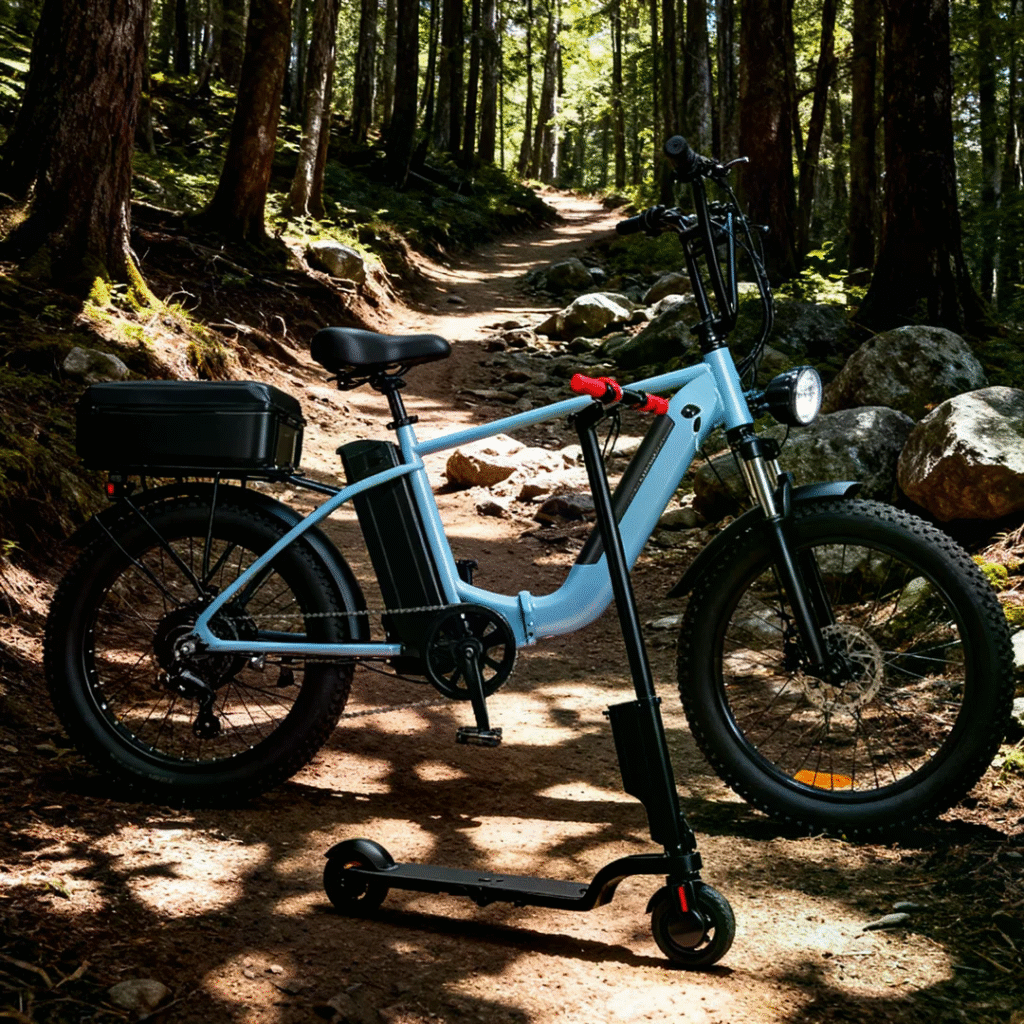
Fat bikes introduce a different variable. Designed to accommodate massive tires for snow and sand, these frames use significantly wider spacing. You will typically encounter 170mm or 190mm measurements here. When you determine how to measure rear drop out fork on ebike frames specifically for fat tires, you must be extra vigilant. A standard motor will not fit, and using long spacers to bridge a 40mm gap is structurally unsound. You must source a motor specifically with a longer axle and wider casing to match these broad dimensions.
Frame Materials and Flexibility Factors
The material of your bicycle frame dictates how much tolerance you have with your measurements. Steel frames, often found on vintage mountain bikes or touring bicycles, possess a degree of elasticity. If your frame measures 132mm and your motor is 135mm, a steel frame can often be “cold set” or gently spread to accommodate the motor without compromising structural integrity. This flexibility makes steel a favorite among DIY e-bike builders who might encounter slight variances in manufacturing.
Aluminum and carbon fiber frames, however, behave differently. Aluminum is rigid and brittle; it does not like to be bent. If you learn how to measure rear drop out fork on ebike chassis made of aluminum and find a 5mm discrepancy, you cannot simply force the frame open. Doing so induces stress risers that will eventually cause the frame to crack near the welds. Carbon fiber is even less forgiving and should never be stretched or compressed beyond its molded specifications. For these materials, exact measurement is mandatory, and spacers must be used if the motor is slightly narrower than the frame.
The Role of Torque Arms in Relation to Dropouts
While measuring the width is critical, observing the depth and shape of the dropout slot is equally important during your assessment. E-bike hub motors rely on the flat parts of the axle to prevent rotation. Standard bicycle dropouts are designed for vertical forces, not the rotational torque of a motor. During the measurement process, check the thickness of the dropout material.
If you possess a powerful motor, measuring the dropout width is only half the battle. You likely need to install torque arms. These are external steel plates that reinforce the dropout. When you figure out how to measure rear drop out fork on ebike setups, you should also measure the thickness of the dropout plate itself. If it is thin or shallow, the addition of torque arms becomes a safety requirement, not just an option. This ensures the axle remains stationary even under heavy acceleration.

Troubleshooting Measurement Discrepancies
Real-world measurements rarely land on perfect integers. You might measure 136.5mm or 134mm. Do not panic. Manufacturing tolerances in bicycle frames are common. A variance of plus or minus 2mm is usually acceptable for most hub motor installations. If the gap is slightly wide, stainless steel washers can be used to fill the void. These washers must be placed on the inside of the dropout, over the axle, to ensure the frame clamps down on a solid surface rather than bending inward.
If the frame is too narrow by a millimeter, check the inside faces of the dropouts again. Sometimes, paint drips or rough welds protrude into the space. Carefully filing down a small amount of excess paint can often yield the clearance you need. However, always prioritize the integrity of the metal. Understanding how to measure rear drop out fork on ebike dimensions includes knowing when a frame is simply incompatible. It is better to find a different frame or a different motor than to force a dangerous fit.
Integrating Disc Brakes and Gear Clusters
The width between the dropouts must house more than just the motor. It must accommodate the disc brake rotor on the left and the gear cluster (freewheel or cassette) on the right. When measuring, visualize where these components sit. Sometimes, a frame provides the correct 135mm spacing, but the shape of the chainstays narrows quickly, potentially rubbing against a large hub motor casing.
While you are measuring the width, take a moment to look at the clearance around the caliper area. A properly executed measurement considers the entire ecosystem of the rear wheel. If you master how to measure rear drop out fork on ebike geometry, you can predict these conflicts before purchasing. This holistic approach to measurement saves time and frustration during the assembly phase.
Final Thoughts on E-Bike Assembly
Building an e-bike is a fusion of mechanical engineering and personal expression. The attention to detail you apply during the measurement phase directly correlates to the quality of the final ride. A perfectly fitted motor runs quietly, tracks straight, and handles the power output without complaining. It provides the rider with confidence, knowing that the machine beneath them is mechanically sound.
By taking the time to understand the specific requirements of your frame and the motor you intend to install, you elevate yourself from a casual assembler to a competent builder. We hope this guide has clarified the importance of these dimensions. Accurate measurements are the blueprint of performance.